What Are Incisors? Functions, Anatomy, and How to Care for Them
Incisors are the most visible type of teeth because they are located at the front of the mouth. They play an important role in biting food, speaking, and…
Shaping the appearance of your smile. Therefore, maintaining healthy incisors from an early age is essential to keep them functioning properly.
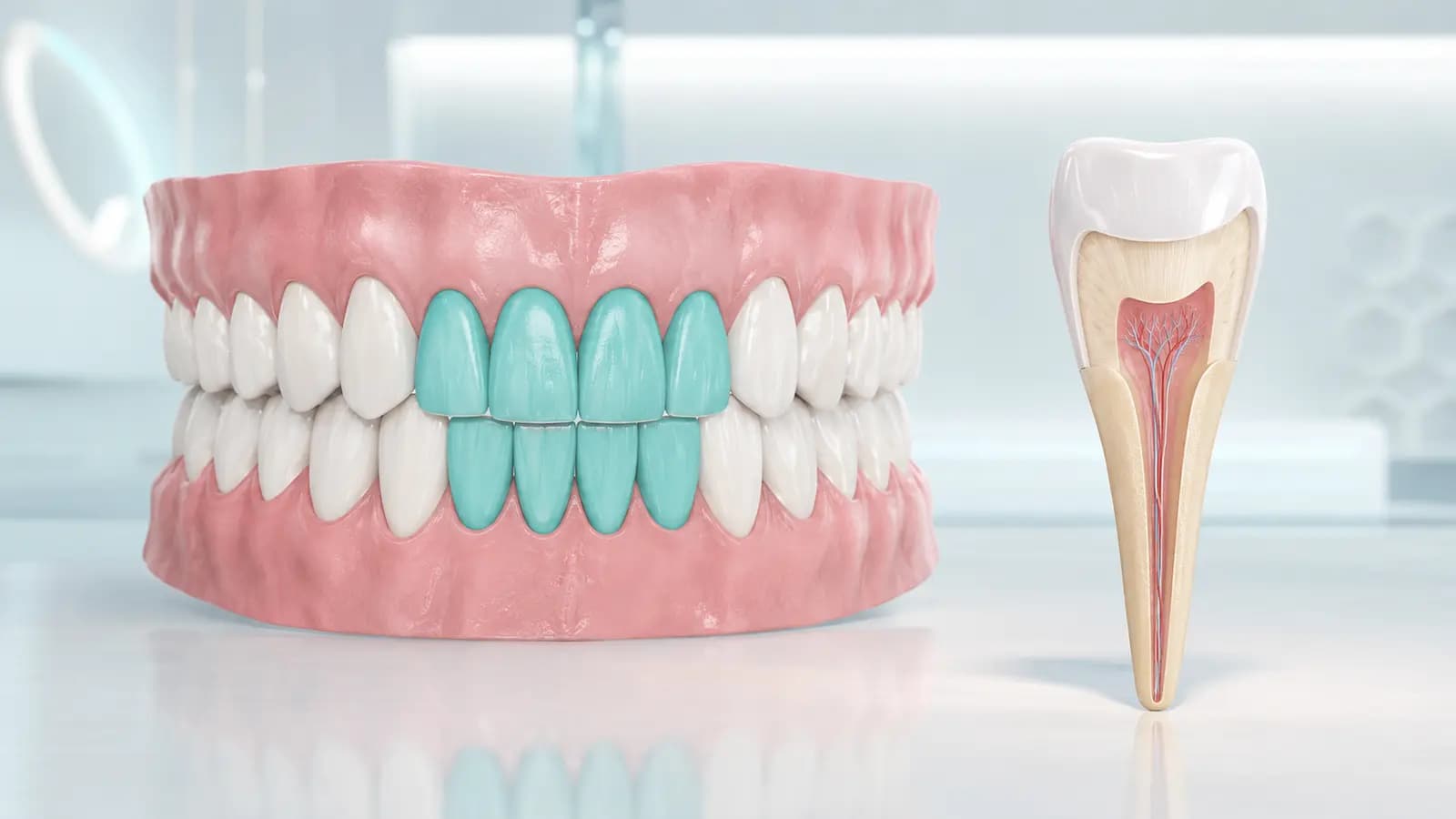
Adults typically have eight incisors: four in the upper jaw and four in the lower jaw. Incisors are also among the first teeth to erupt in babies before they are eventually replaced by permanent teeth.
What Are Incisors?
Incisors are the teeth located at the very front of the upper and lower jaws. In dental anatomy, they have a chisel-like shape with a flat, relatively sharp edge. This shape allows incisors to bite, cut, and tear food into smaller pieces.
In babies, incisors usually begin to erupt at around six months of age, typically starting with the lower incisors. As children grow, their primary teeth fall out and are replaced by permanent incisors between approximately six and eight years of age.
Characteristics, Anatomy, and Functions of Incisors
1. Located at the Front of the Jaw
Incisors are positioned at the front of the mouth, between the canine teeth. Their location makes them clearly visible when someone smiles, speaks, or opens their mouth. Upper incisors are generally larger than lower incisors.
2. Flat Shape with Sharp Edges
One of the main characteristics of incisors is their flat, chisel-like shape. Their edges are not as pointed as canine teeth, but they are sharp enough to cut foods such as fruit, vegetables, bread, and meat.
3. Have a Single Root
Incisors generally have one root embedded in the jawbone. Like other teeth, their anatomy consists of enamel as the outermost layer, dentin, pulp containing nerves and blood vessels, and the tooth root.
4. Help Bite and Cut Food
The primary function of incisors is to bite and cut food before it is ground more thoroughly by the molars. This process makes food easier to chew and digest.
5. Help with Clear Speech
Incisors also play a role in producing certain letters and sounds. When speaking, the tongue moves close to or touches the back of the front teeth to support clearer pronunciation.
6. Enhance the Appearance of Your Smile
Because they are located at the front of the mouth, the condition of your incisors significantly affects the appearance of your smile. Clean, straight, and healthy incisors can make your smile look more balanced. In contrast, broken, decayed, or discoloured incisors may affect your appearance.
How to Prevent Problems with Your Incisors
1. Brush Your Teeth Twice a Day
Brush your teeth in the morning after breakfast and at night before bed. Use a soft-bristled toothbrush and fluoride toothpaste to remove plaque and protect the enamel of your incisors.
2. Clean Between Your Teeth with Dental Floss
Food particles can become trapped between the incisors, leading to plaque buildup and tooth decay. Use dental floss regularly to clean areas that are difficult for a toothbrush to reach.
3. Limit Sugary Foods and Drinks
Sweets, cakes, soft drinks, and other sugary beverages can increase the risk of cavities. Limit your consumption and drink water after meals to help rinse away food particles.
4. Do Not Use Your Incisors to Open Objects
Avoid using your front teeth to open packaging, bite your nails, crush ice, or open bottle caps. These habits can cause your incisors to crack, wear down, or break.
5. Wear a Mouthguard During Sports
Wear a mouthguard when participating in sports that carry a risk of impact, such as basketball, football, or martial arts. A mouthguard can help reduce the risk of injury to your incisors.
6. Visit the Dentist Regularly
Routine dental check-ups every six months can help your dentist detect problems with your incisors early. Cavities, cracks, or changes in tooth position can then be treated before they become more serious.
Treatments for Incisor Problems
1. Dental Fillings for Decayed Incisors
Small cavities or minor damage to an incisor can be treated with a dental filling. This procedure seals the damaged area and helps prevent the decay from spreading to the tooth’s nerve.
2. Root Canal Treatment for Severe Damage
If decay has reached the nerve and is causing pain, the dentist may recommend root canal treatment. After the infected tissue has been removed, the tooth will be filled or restored based on its condition.
3. Veneers or Crowns for Broken Front Teeth
Incisors that are broken, cracked, discoloured, or unevenly shaped may be restored with veneers or crowns. The most suitable treatment will depend on the severity of the damage and the amount of healthy tooth structure remaining.
4. Braces or Clear Aligners for Misaligned Incisors
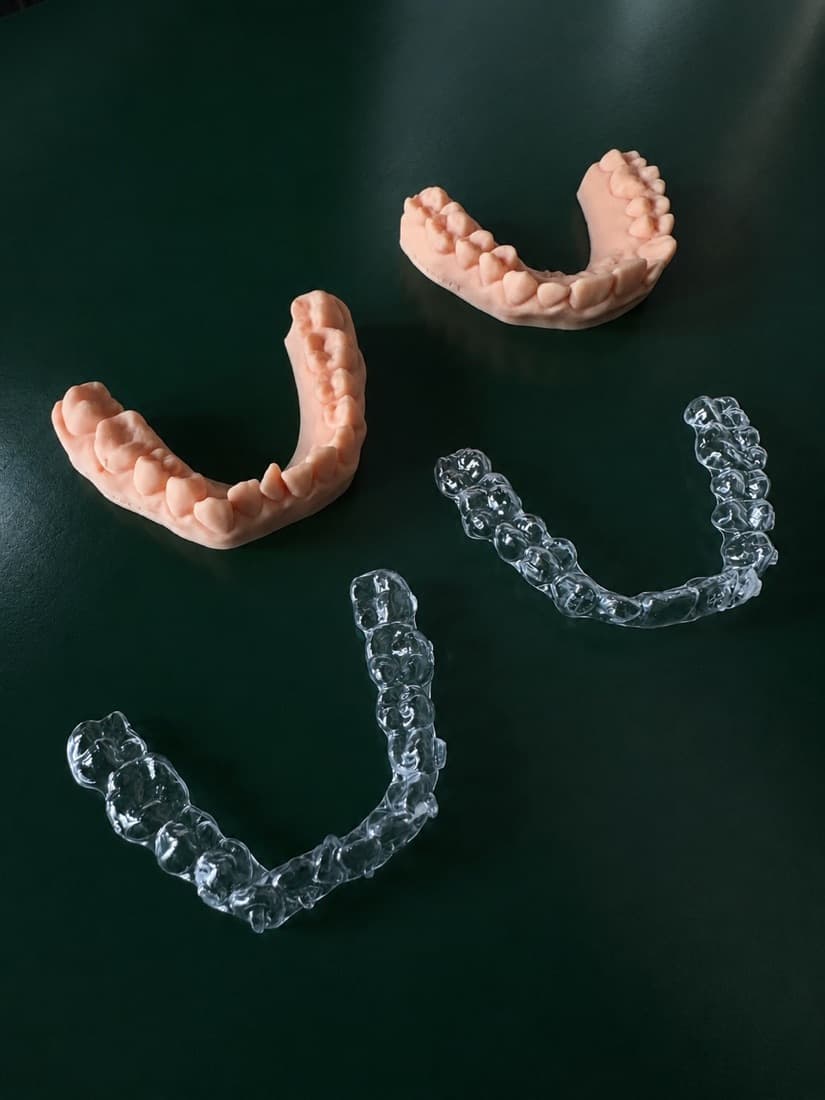
Incisors that are crooked, crowded, or widely spaced can be straightened with orthodontic treatments such as braces or clear aligners. These treatments improve tooth alignment while also supporting proper bite function.
Keep Your Incisors Healthy for a More Confident Smile
Incisors play an essential role in biting food, speaking, and enhancing the appearance of your smile. If you experience problems such as tooth decay, fractures, discolouration, or misaligned incisors, do not delay visiting a dentist.
For examinations and treatments tailored to your needs, visit Floss Dental Studio for professional dental care in Bali from an experienced Bali dentist.