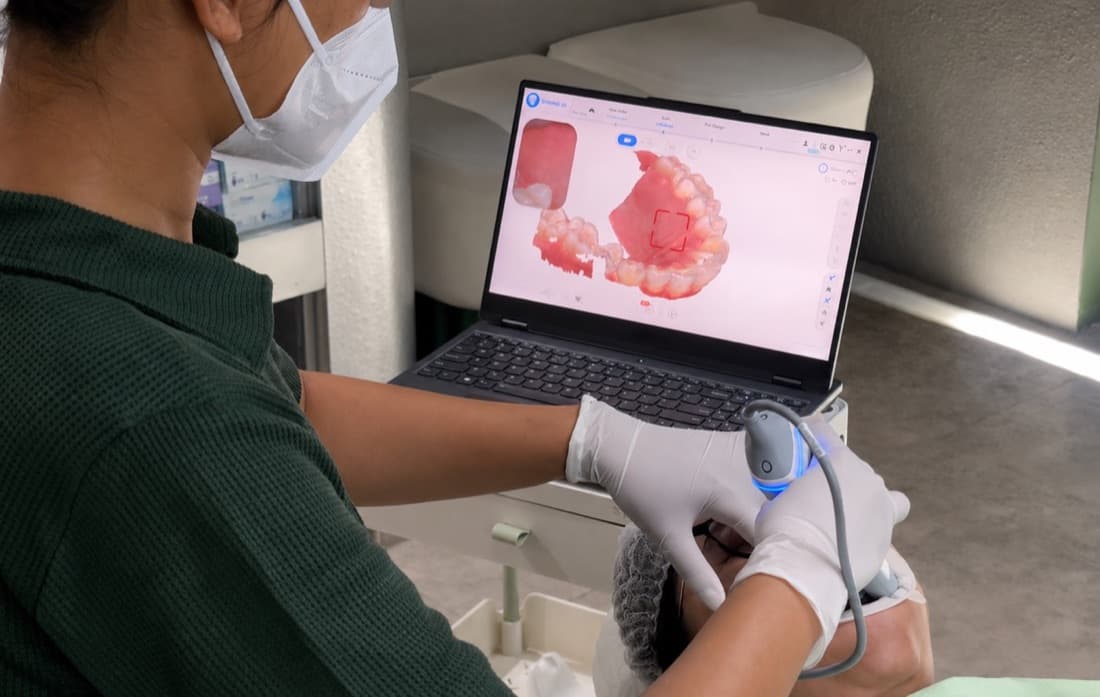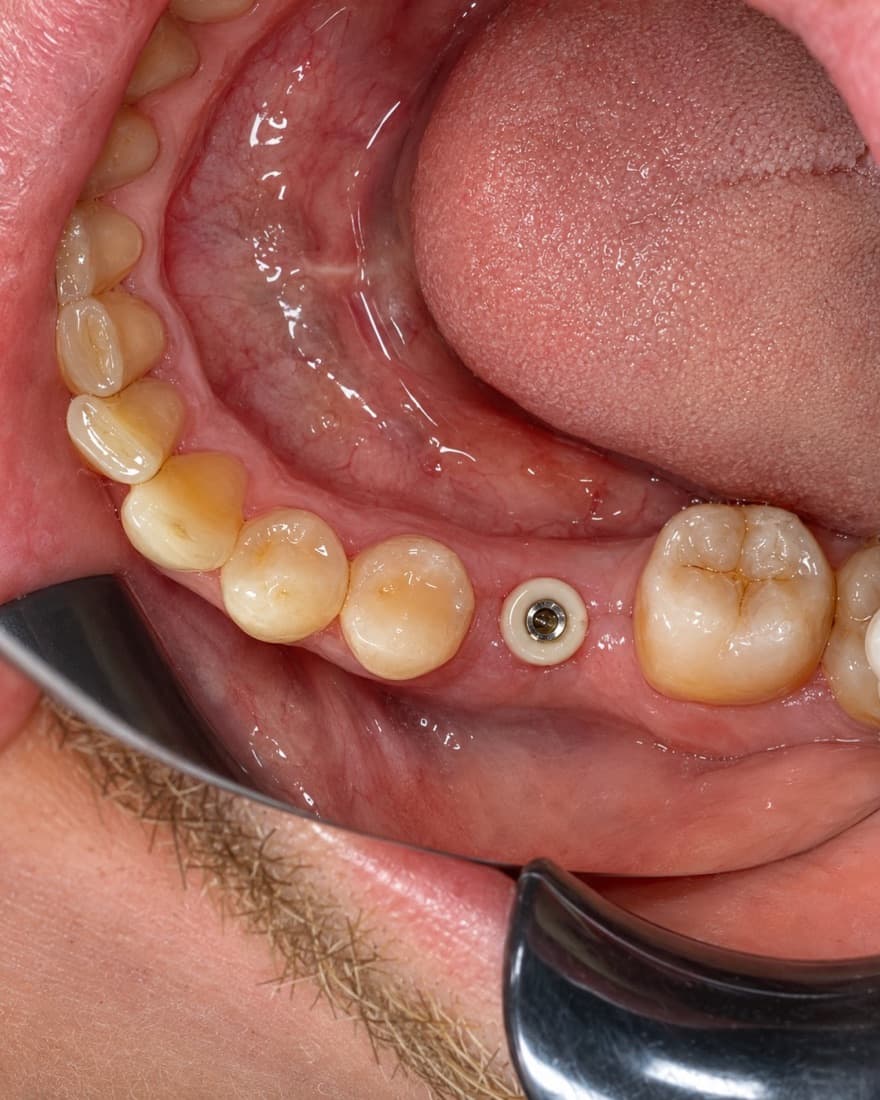
Tooth Extraction in Kuta: Recovery Tips for Bali Travellers
A tooth may be removed when it is badly damaged, infected, loose, impacted, or cannot be predictably restored with a filling, crown, root canal treatment, or
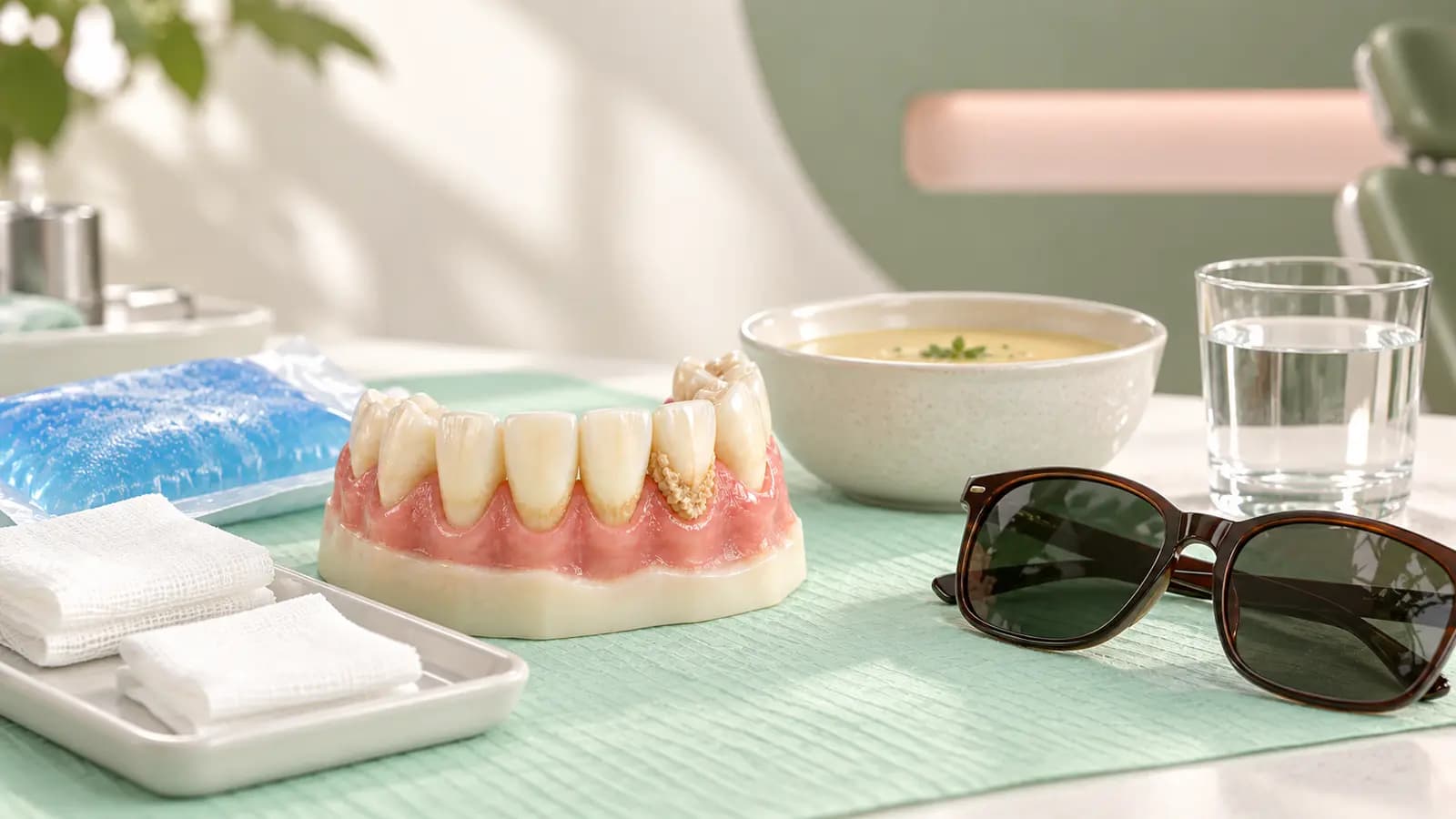
Gum care. For people searching for tooth extraction kuta, FLOSS Dental Studio lists IDR 550,000–IDR 1,350,000 for an extraction and IDR 2,250,000–IDR 3,750,000 for wisdom tooth surgery. Examination and imaging determine the technique, timing, and final cost.
When Is Extraction Really Necessary?
Dentists generally assess whether a tooth can be saved before recommending removal. Common reasons include extensive decay, a crack extending into the root, infection that cannot be treated predictably, advanced gum disease, an impacted wisdom tooth, or space requirements in selected orthodontic plans. Root shape, bone, gums, tooth position, and general health all affect the decision.
Pain alone does not mean extraction is inevitable. A filling, crown, root canal, or periodontal treatment may remain possible. Ask for the diagnosis, alternatives, consequences of waiting, and a plan to replace the tooth when an empty space could affect chewing or the bite.
Checks Before the Procedure
- X-rays may be needed to assess roots, bone, infection, nerves, and the position of an impacted tooth.
- Report blood thinners, allergies, pregnancy, diabetes, bleeding disorders, heart conditions, and previous surgery.
- Do not stop prescribed medicine yourself; the dentist will decide whether coordination with your doctor is needed.
- Share your flight, diving, sports, and onward-travel schedule so recovery can be planned.
Extraction Fees at FLOSS
The following figures are guides. Tooth number, root form, impaction, imaging, medicine, materials, and additional procedures can change the total.
A straightforward extraction differs from wisdom tooth removal kuta because an impacted tooth may require an incision, removal of a small amount of bone, or sectioning of the tooth. The dentist should confirm the procedure and fee after clinical assessment.
How Is a Tooth Removed?
- The dentist examines the tooth, reviews imaging and health history, and decides whether a simple or surgical approach is appropriate.
- Local anaesthetic is given until the area is numb. Other comfort options are used only when available and suitable.
- For a simple extraction, the tooth is loosened and lifted from its socket. Surgery may involve opening the gum, removing a little bone, or dividing the tooth.
- The socket is cleaned. Stitches may be placed, and gauze is provided to help control bleeding.
- Before leaving, you receive instructions for gauze, medicines, diet, cleaning, activity, and review.
During treatment, pressure is expected but sharp pain should be reported. Afterwards, soreness, swelling, jaw stiffness, and slight blood staining can occur. The degree varies with procedure complexity and individual healing.
The First 24 Hours: Protect the Blood Clot
The clot inside the socket is a natural protective layer. For the first 24 hours, do not rinse forcefully, spit repeatedly, suck the wound, use a straw, or touch the socket with fingers or tongue. Avoid smoking, vaping, alcohol, very hot drinks, strenuous exercise, heavy lifting, and prolonged bending, as these can restart bleeding or disturb the clot.
Bite on gauze as instructed. If bleeding restarts, use clean gauze and steady pressure for the recommended time while sitting upright. Choose soft, cool or lukewarm food, chew on the opposite side, and stay hydrated. Wait until numbness resolves before eating.
Care After the First Day
- Brush the other teeth gently and avoid direct contact with the wound.
- Begin gentle warm salt-water rinsing only when advised by the dentist.
- Use medicine exactly as instructed and do not add antibiotics or painkillers yourself.
- Continue soft foods, then return gradually to normal textures as comfort improves.
- Attend review and stitch-removal appointments when required.
Dry Socket and Other Warning Signs
Dry socket occurs when the clot is lost or disrupted and bone becomes more exposed. The typical sign is pain that increases several days after extraction, sometimes with an unpleasant taste or smell. Smoking raises the risk. A dentist can clean the area and place a soothing dressing when appropriate.
Contact the clinic for uncontrolled bleeding, fever, worsening swelling, pus, persistent numbness, a medicine reaction, or increasing pain. Difficulty breathing or swallowing, heavy bleeding, or a rapid decline in general health requires immediate medical care.
Recovery Planning for Kuta Travellers
Avoid scheduling dental extraction kuta immediately before a flight, long journey, party, strenuous sport, or diving unless you have discussed it with the dentist. A simple extraction may recover faster than wisdom tooth surgery, but responses vary. Leave time to rest and attend a review.
Bring identification, a medicine list, older X-rays, and insurance information. Request the diagnosis, treatment record, prescription, and written aftercare if you will continue travelling. FLOSS is in Kerobokan, North Kuta, not central Kuta, so allow travel time and confirm the appointment.
Recover With a Clear Plan
Good healing begins with the right indication, careful technique, and protection of the socket afterwards. For personalised dental care, consult a dentist Bali visitors can reach at Floss Dental to confirm whether extraction is necessary, which approach fits the case, and when follow-up is safe.
FAQ About Tooth Extraction in Kuta
How much does one tooth extraction cost?
FLOSS lists IDR 550,000–IDR 1,350,000 for tooth extraction and IDR 2,250,000–IDR 3,750,000 for wisdom tooth surgery. Position, roots, impaction, imaging, and additional procedures affect the final fee.
What side effects are normal?
Early soreness, swelling, jaw stiffness, and slight blood staining can occur. Complications include dry socket, infection, prolonged bleeding, and, in selected cases, nerve disturbance. Report symptoms that worsen rather than improve.
Can a person with diabetes have a tooth removed?
Often yes, but blood glucose control, healing, infection risk, medicines, and other conditions must be assessed. Do not change diabetes medication without advice from the clinician managing it.
Can a tooth with a gum growth be extracted?
Tissue that looks like a polyp must be examined to determine its origin. Extraction may be appropriate if the tooth cannot be saved, but the decision depends on the diagnosis, roots, surrounding tissues, infection, and alternatives.