Signs of Infection After Tooth Extraction: What to Watch For
Learn the signs of infection after tooth extraction, how they differ from normal healing and dry socket, and when to contact a dentist urgently.
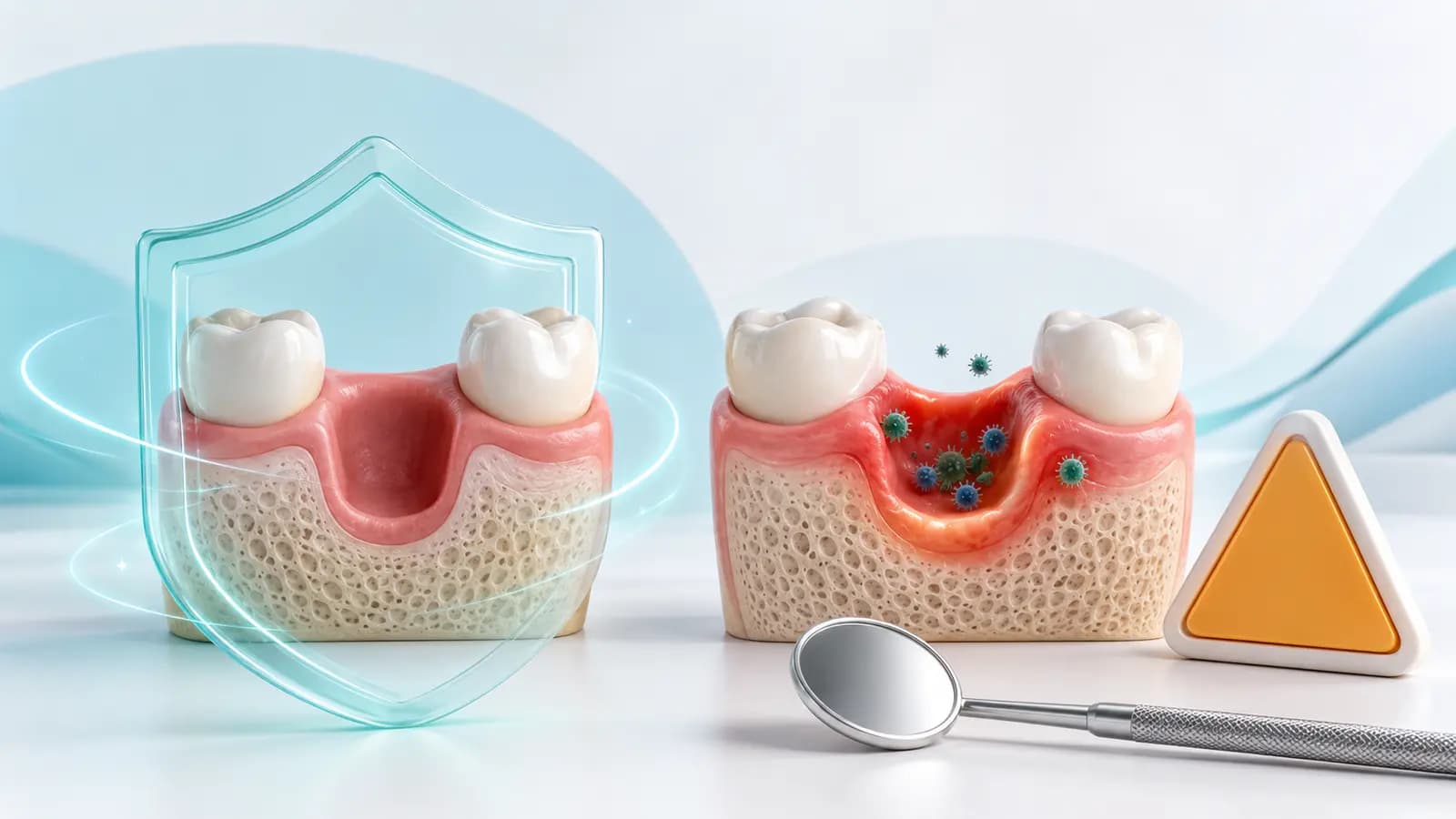
The clearest signs of infection after tooth extraction are not simply pain or swelling, but symptoms that keep getting worse instead of gradually settling. Increasing pain, spreading swelling, pus, fever, a persistent bad taste or odour, and feeling increasingly unwell all deserve a dental review.
Mild pain, some blood in the saliva and swelling during the first few days can be part of normal healing. Because the timing can overlap with dry socket or infection, a single symptom—or a photo of the socket—is not enough for a reliable diagnosis.
Normal Healing, Dry Socket or Infection?
| Condition | Common pattern | Useful distinction |
|---|---|---|
| Normal healing | Pain and swelling are usually most noticeable in the first 2–3 days, then gradually improve | No pus, fever or progressively spreading swelling |
| Dry socket | Severe throbbing pain begins or becomes much worse several days after extraction | Pain may radiate to the ear or temple; the socket can look empty and have a bad taste or odour, while significant fever and swelling are less typical |
| Infection | Pain and swelling continue to increase or return after an initial improvement | Pus, fever, worsening redness or swelling, an unpleasant taste and feeling generally unwell |
This comparison helps you notice a pattern, but it cannot replace an examination. Dry socket is not the same as a bacterial infection and needs different care. A pale white or yellow layer over the wound is not automatically pus, so do not probe or scrape the socket to check it.
Signs of Infection After Tooth Extraction
1. Pain is becoming more intense
Discomfort is normally strongest during the early recovery period and then starts to settle. Contact your dentist if pain keeps increasing, returns strongly after improving, or is not controlled by the recommended medicine. Dry socket can cause a similar pattern, which is why the cause needs to be examined.
2. Swelling is spreading or not beginning to settle
Swelling can develop during the first 48 hours and remain for several days. More concerning signs include swelling that continues to expand, feels hot, becomes increasingly red, or spreads from the gum into the cheek, under the jaw or towards the neck.
3. Pus or a foul discharge appears
Pus may appear as a thick discharge from the extraction site and is often accompanied by an unpleasant taste or odour. Trapped food can also smell, so do not clean the wound with a sharp object. A clinician needs to decide whether the problem is infection, debris or another healing complication.
4. You develop fever or feel generally unwell
Fever, chills, marked fatigue or tender glands beneath the jaw can indicate that the body is responding to an infection. These systemic symptoms are not considered a routine part of recovery after an extraction.
5. Opening your mouth, swallowing or breathing becomes difficult
Some jaw stiffness can follow wisdom tooth surgery. Stiffness that worsens together with swelling, fever, difficulty swallowing, a changed voice or breathing difficulty needs urgent assessment because an infection may be spreading into deeper tissues.
Why Can an Extraction Site Become Infected?
The mouth naturally contains bacteria. After a tooth is removed, a blood clot protects the bone and supports new tissue formation. Infection can develop when bacteria multiply in the wound, particularly when there was infection before extraction, debris remains, oral hygiene is poor, healing is disrupted or a health condition affects the immune response.
Smoking, touching the wound, vigorous rinsing on the day of extraction and ignoring aftercare instructions can interfere with healing. However, infection can still occur even when you have been careful. It does not automatically mean the extraction was performed badly; what matters is recognising a change and arranging a review.
Clear diagnosis, clinical hygiene and practical aftercare instructions are all part of choosing safe dental treatment in Bali.
What Will the Dentist Do?
- Assess the symptom pattern and socket. The dentist will check pain, swelling, bleeding, odour, discharge, the clot and relevant medical or medication history.
- Remove the source of irritation or infection. The socket may need gentle irrigation or cleaning. A collection of pus may require drainage.
- Choose appropriate medication. Antibiotics are not automatic for every case of post-extraction pain. The clinician considers bacterial infection, spread and systemic symptoms.
- Arrange follow-up. A review confirms that pain and swelling are settling and healing is returning to the expected course.
Do not take leftover antibiotics, place household remedies directly in the socket or try to drain pus yourself. These actions can irritate the wound, hide important symptoms or lead to inappropriate treatment.
What Can You Do While Waiting for the Review?
- Contact the clinic and explain the extraction date, when symptoms changed, and whether you have fever or spreading swelling.
- Take medication exactly as directed; do not add doses or combine medicines without advice.
- Keep the other teeth clean and care for the wound gently according to the dentist’s instructions.
- After 24 hours, use a gentle warm salt-water rinse only if advised. Do not rinse forcefully.
- Avoid smoking, straws, alcohol and touching the socket.
If you are away from the clinic or preparing to return to Australia, do not wait until the symptoms become severe. The guide to flying after dental treatment in Bali can help you recognise when travel should be postponed. You may also need to stay in Bali longer for a clinical review.
When Is It an Emergency?
Seek urgent care if swelling spreads rapidly across the face or neck, breathing or swallowing becomes difficult, bleeding will not stop, a high fever comes with marked weakness, or pain deteriorates quickly. These symptoms are not safe to manage only through a message or leftover medicine.
Travellers should keep the diagnosis, prescription, itemised invoice and procedure report. These records can help when asking whether travel insurance covers a dental emergency.
Have the Socket Checked Before Symptoms Escalate
An early review helps distinguish normal healing, dry socket and infection so the right treatment is not delayed. To discuss dental care, find a dentist Bali option when symptoms change, or arrange a review with Floss Dental, describe the progression of pain, swelling and your general health as clearly as possible.
FAQ About Infection After Tooth Extraction
What does an infected socket feel like?
An infected socket may cause throbbing pain that continues to worsen, tenderness, heat, spreading swelling, an unpleasant taste or discharge. Fever or feeling generally unwell makes infection more concerning. A dentist still needs to distinguish it from dry socket and normal recovery.
How can you tell the difference between dry socket and infection?
Dry socket usually causes severe radiating pain, an empty-looking socket and a bad taste or breath, with little fever or major swelling. Infection is more likely to produce worsening swelling, pus, fever and systemic illness. Because symptoms can overlap, an examination is the safest way to tell.