How Long Should You Stay in Bali for Dental Treatment?
See how long to stay in Bali for cleaning, veneers, crowns, root canal, extraction, or implants, including recovery and buffer time.
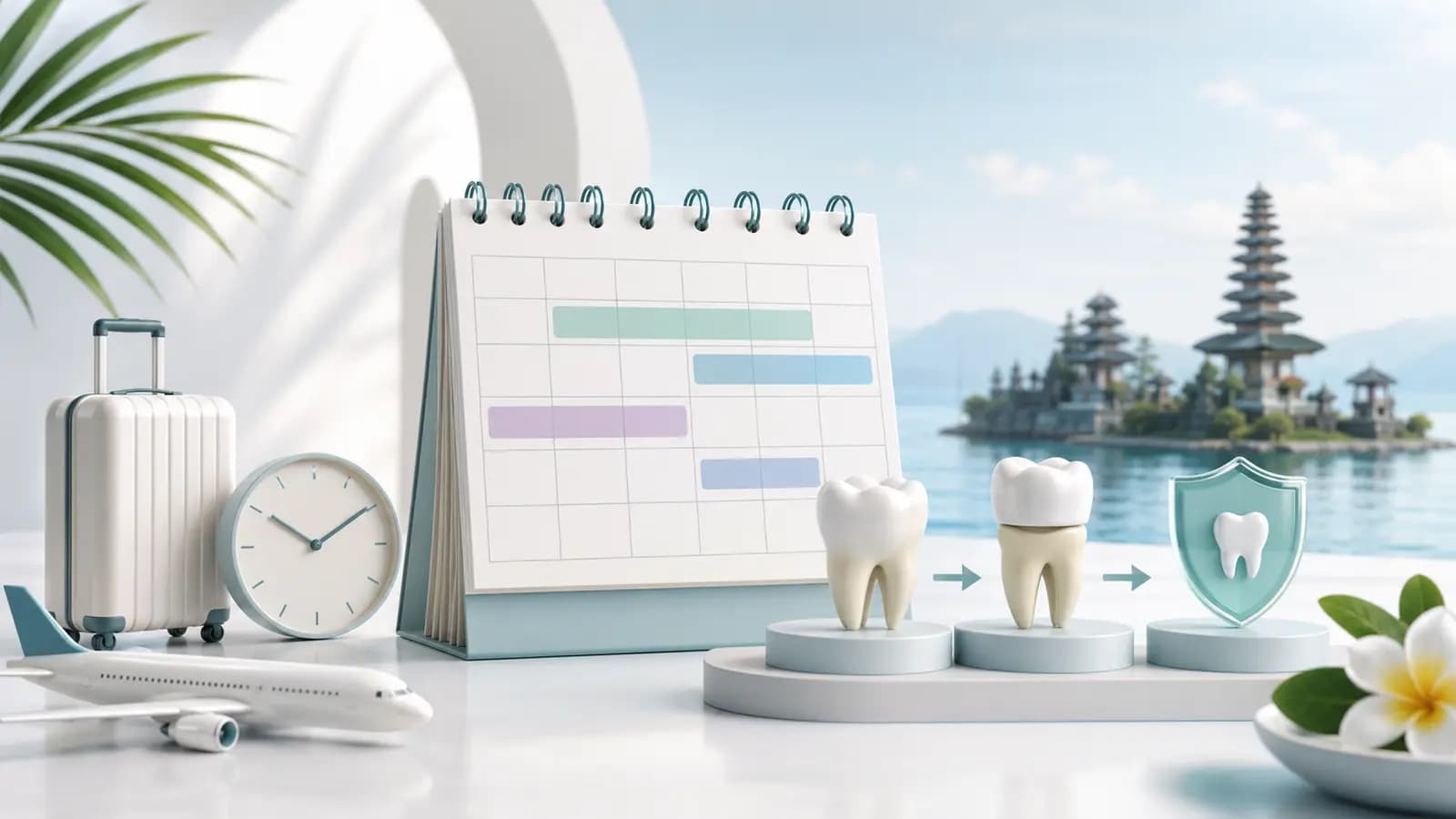
For most dental treatment in Bali, plan to stay between 2 and 14 days. Examination, cleaning, whitening, or a straightforward filling may require a shorter visit. Veneers, crowns, bridges, root canal treatment, and surgery need more time. Dental implants often involve two trips separated by several months of healing.
These are travel-planning ranges, not completion promises. The appropriate length of stay can only be confirmed after a dentist examines your teeth, gums, bone, bite, and relevant imaging.
Use Four Components to Calculate Your Stay
Do not calculate the trip from chair time alone. A realistic dental stay includes four components:
- Clinical days: consultation, examination, treatment, fitting, and review.
- Laboratory days: fabrication of crowns, veneers, bridges, dentures, or other restorations.
- Recovery days: time for the early phase of pain, swelling, or eating limitations.
- Buffer days: contingency time for bite adjustment, a laboratory correction, or a change in the plan.
Under this model, a 60-minute procedure does not mean a one-day trip. Your departure should follow the final clinical milestone—such as a wound review or bite check—not simply the main appointment.
Planning Ranges by Type of Dental Treatment
| Treatment | Planning range in Bali | Why this time is needed |
|---|---|---|
| Examination, cleaning, whitening, or a simple filling | 2–3 days | Initial assessment, treatment, and a short window to check sensitivity or bite |
| Composite bonding or direct veneers | 3–5 days | Shape planning, placement, finishing, and a comfort review |
| Crowns, ceramic veneers, or bridges | 7–14 days | Preparation, scan or impression, laboratory work, try-in, placement, and adjustment |
| Root canal treatment, with or without a crown | 7–14 days or longer | Often needs more than one appointment; infection and the final restoration can extend the process |
| Simple extraction | About 4–7 days | Allows time to assess bleeding, the blood clot, discomfort, and early healing |
| Wisdom tooth surgery | 7–14 days | Swelling may be more noticeable during the first few days and a wound review may be needed |
| Implants, bone grafting, or complex rehabilitation | Two or more trips | Implant placement and final restoration are separated by bone integration that may take months |
Short Visits: When Are 2–3 Days Enough?
A short visit may suit an examination, professional cleaning, selected whitening, or a simple filling when the diagnosis is clear and no additional problem is found. Even then, place the consultation on the first or second day—not a few hours before your flight.
A high filling, unexpected sensitivity, or need for deeper treatment may only become clear after the anaesthetic wears off. A spare day allows a return visit without changing flights.
Laboratory Restorations: Why Veneers and Crowns Take Longer
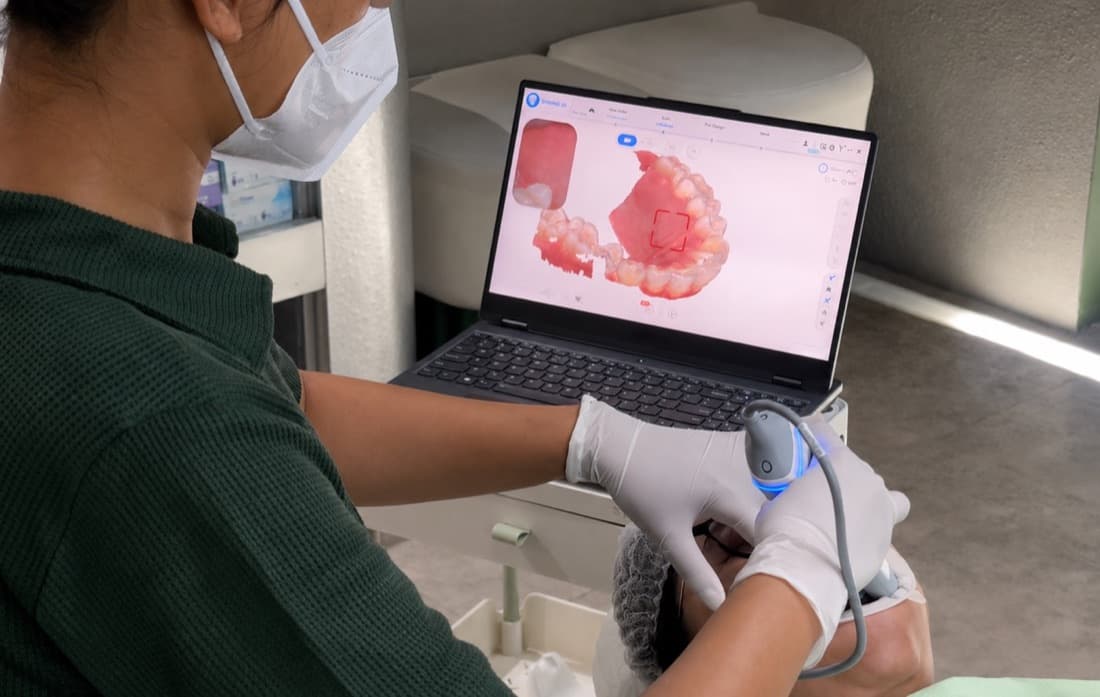
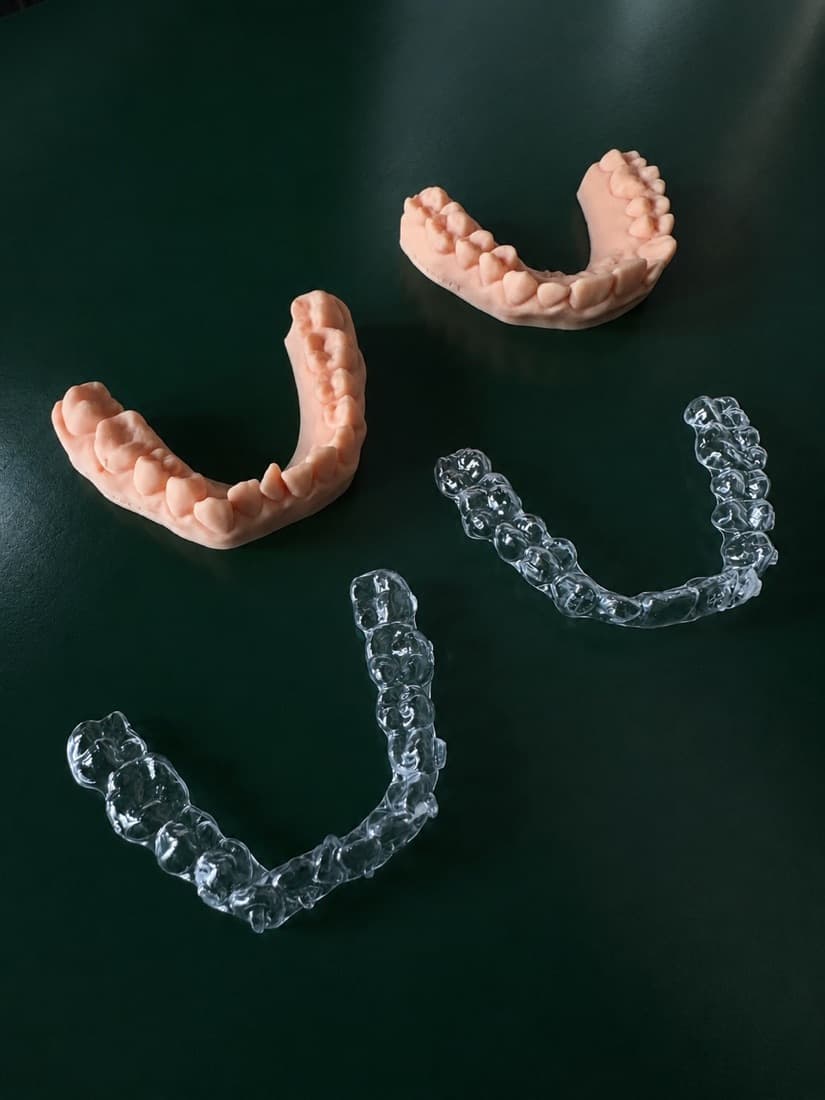
Ceramic veneers, crowns, and bridges require laboratory work after preparation and scanning. A try-in, placement, and possible adjustment follow.
For this reason, allow 7–14 days for laboratory-made restorations. Ask how many appointments are expected, when the final work will be ready, and what happens if the shade or bite needs correction.
Root Canal Treatment and Infection Cannot Always Be Rushed
Root canal treatment commonly takes two or more appointments. A temporary filling may sit between visits, while active symptoms, complex canals, or a planned crown can extend the schedule.
Before leaving Bali, confirm that the tooth is stable, any temporary restoration is secure, and the final plan is clear. If an Australian dentist will continue treatment, request enough information for a safe handover.
Extraction and Surgery: Recovery Time Is Not Chair Time
An extraction can be quick, but the socket still needs time to protect its blood clot. After wisdom tooth surgery, swelling and discomfort may increase during the early days before improving.
This is why surgery belongs near the beginning of the trip. Scheduling it one day before departure leaves little time to assess ongoing bleeding, dry socket, infection, or pain that is getting worse.
Dental Implants: One Procedure, Several Phases
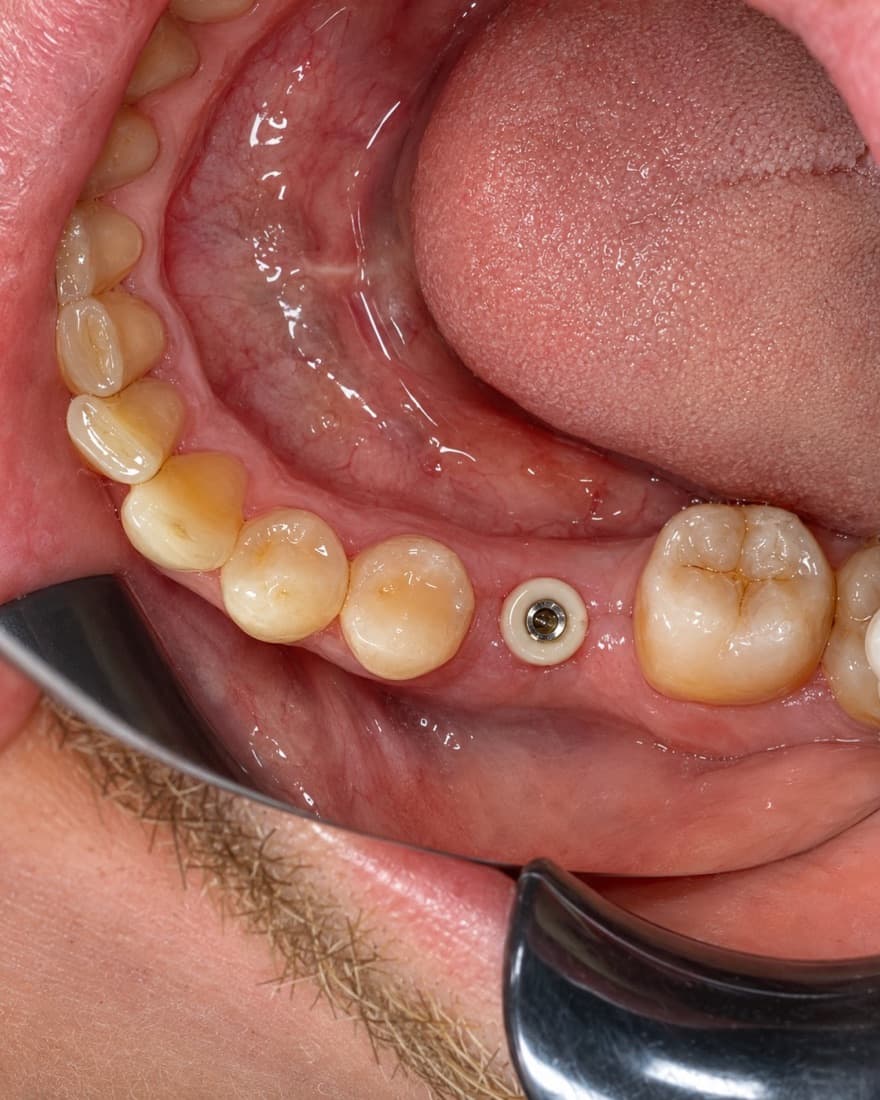
Implant placement may happen in one session, but complete treatment includes assessment, surgery, bone integration, and the final crown or prosthesis.
Bone integration often takes around three months or longer; grafting, a sinus lift, bone quality, smoking, and gum health may alter the timeline. Immediate loading does not always mean the final restoration is complete in one day. Ask what is temporary, what is final, and when another trip may be needed.
Three More Realistic Itinerary Patterns
A short 3-day visit
Use day one for examination, day two for suitable straightforward care, and the final day for review or buffer. This pattern is not designed for laboratory restorations or major surgery.
A 7–14-day visit
Place examination and preparation early, fitting or review later, and keep one or two days after the final clinical milestone.
A two-trip treatment
The first trip covers diagnosis, surgery, and early review. Return only after the dentist confirms that the tissue or bone is ready for restoration.
For the wider decision sequence, read how to plan a Bali dental holiday from Australia. That guide covers decisions before booking, while this article helps calculate the time required.
What Can Extend the Stay?
Active infection, gum disease, insufficient bone, a complex bite, slower healing, laboratory corrections, sedation, or medical clearance can extend the preliminary schedule.
Because phone photographs cannot show the complete condition of roots, bone, and bite, avoid inflexible tickets until the clinic explains the assumptions behind its estimate. Use this dental holiday preparation checklist to organise records and health information before travelling.
How Much Buffer Time Should You Add?
For non-surgical care, one or two days after the final appointment is often a sensible buffer. Surgery may require several days to about a week or longer, depending on complexity and your dentist’s advice.
Flight timing needs separate consideration from treatment timing. Read about flying after dental treatment in Bali, then request individual guidance for your procedure and condition.
Signs You Are Not Ready to Book the Flight Home
Do not depart while the plan still relies on photographs, temporary and final work remains unclear, no review time exists, or symptoms are worsening. Prioritise an assessment and review the safety of dental work in Bali before accepting treatment or departure.
Choose a Stay That Fits Your Clinical Needs
If you would like to estimate appointment numbers and recovery time before buying flights, contact Floss Dental. The Floss team can help you begin a consultation, understand relevant dental care options, and plan appointments with a dentist Bali realistically. The final duration will still be confirmed after an in-person examination.
FAQ About How Long to Stay in Bali for Dental Treatment
Is Bali good for dental treatment?
Bali can be suitable when the clinic, dentist, procedure, and aftercare match your needs. Do not choose solely by location, a holiday package, or price.
Is it cheaper to get dental work done in Bali?
Some procedures may cost less than in Australia, but calculate flights, accommodation, recovery, follow-up, and any additional trip.
Is getting a tooth implant a major surgery?
Implant placement is a surgical procedure involving the jawbone. Complexity varies with implant number, bone condition, grafting needs, and the patient’s health. Even when surgery takes one session, healing and final restoration usually occur in separate stages.