Is Dental Work in Bali Safe?
Learn how to check if dental work in Bali is safe, including dentist credentials, diagnosis, infection control, aftercare, and follow-up planning.
Dental work in Bali can be safe when you choose the right dentist and the treatment is properly planned. Safety is not decided by the island, a polished clinic feed, or the lowest quote. What matters more is the diagnosis, the dentist’s experience, infection-control systems, the materials used, and what happens after you leave the chair.
If you are combining dental treatment with a Bali holiday, give yourself room to ask questions. A good consultation should help you understand your options. It should never make you feel rushed into a procedure because your flight is getting closer.
What Actually Makes Dental Work in Bali Safer?
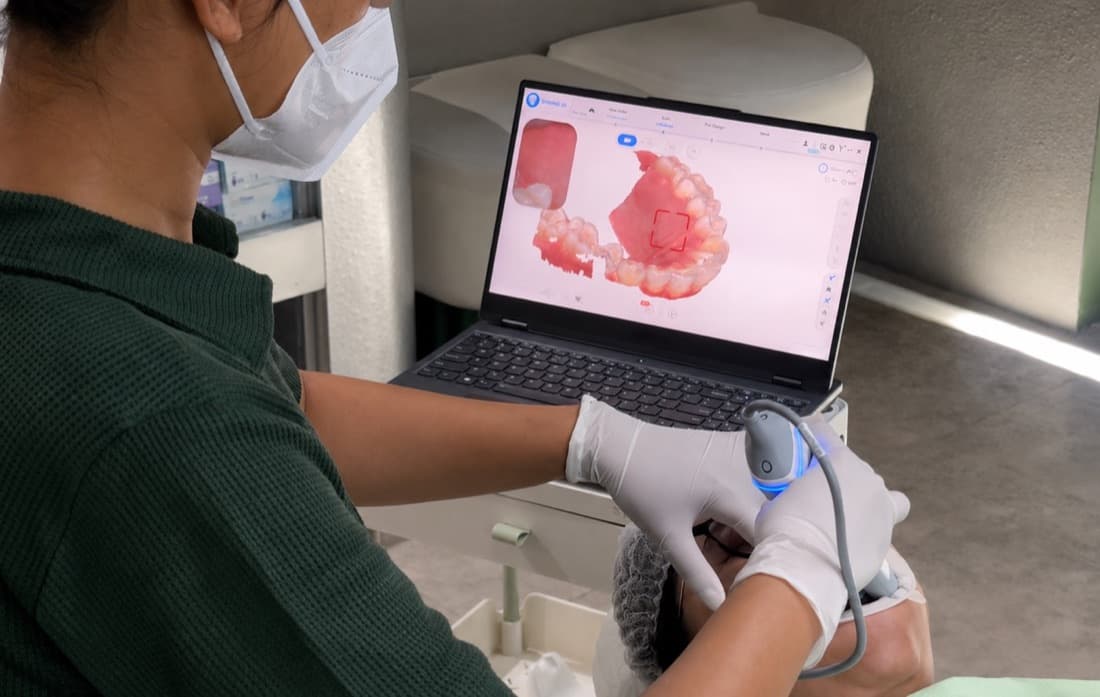
Safer care starts with an in-person assessment. The dentist needs to examine your teeth and gums, review your medical history, and use photographs or X-rays when they are clinically relevant. You should then receive a clear explanation of the problem, the available options, likely risks, total costs, and recovery time.
There is no single answer for every patient. A clean is very different from multiple veneers, wisdom tooth surgery, or an implant. The more complex the procedure, the more time you need for diagnosis, treatment, review, and healing. Our guide to dental treatments tourists choose in Bali can help you understand the common options, but the final plan should always be based on your own mouth.
6 Things to Check Before Choosing a Clinic
1. Who will actually treat you?
Do not stop at the clinic name. Ask for the treating dentist’s name, their experience with your procedure, and who will review you afterwards. A professional team should be comfortable answering these questions without making you feel difficult for asking.
2. Does the diagnosis make sense?
Be cautious with major treatment plans based on one photograph or a short chat. Photos can help with an early screening, but they may not show gum health, bite problems, roots, or bone levels. You can also ask whether there is a more conservative option before committing to permanent changes.
3. Can the clinic explain its infection control?
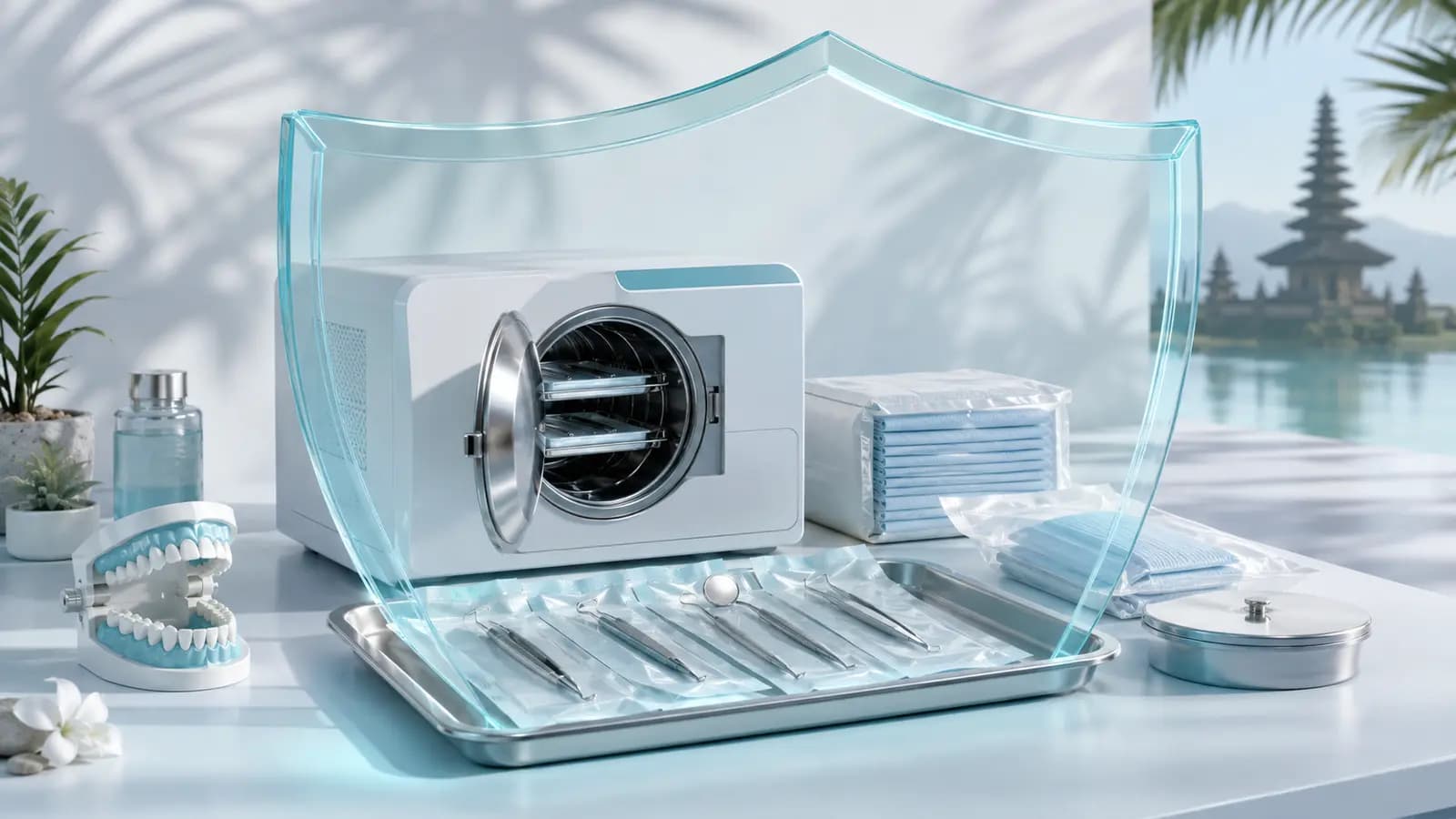
You do not need to know every technical term. Ask how instruments are cleaned, packaged, and sterilised, which items are single-use, and how clinical surfaces are prepared between patients. A clear description of the process is more useful than a simple promise that everything is “completely sterile”.
4. Are the materials and lab work traceable?
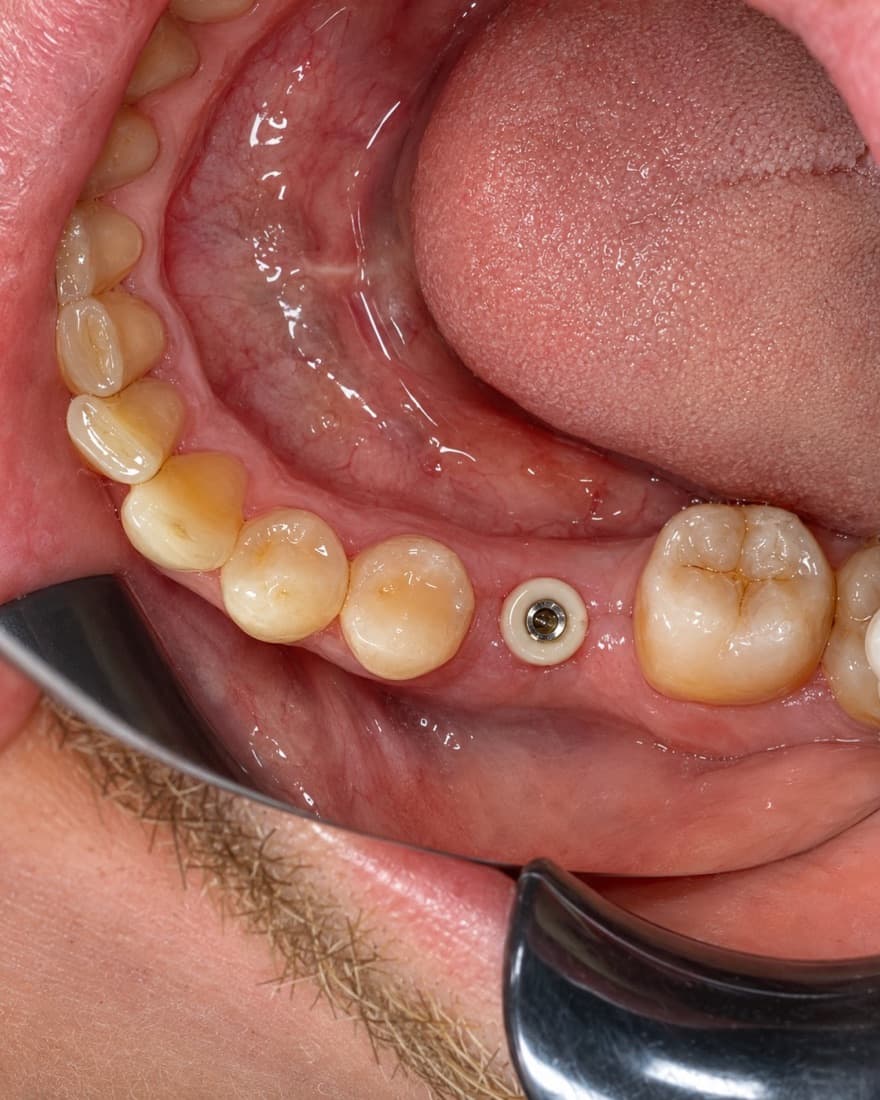
For crowns, bridges, implants, or dental veneers, ask which materials are being proposed and why. If you are having an implant, keep the brand details or implant card where available. These records can make maintenance or future treatment easier when you are back home.
5. Is the quote genuinely transparent?
An initial quote should explain what is included, such as the consultation, imaging, materials, medication, reviews, or laboratory fees. Findings at the appointment may reasonably change the plan, but the dentist should explain why before you agree. For cosmetic care, our guide to the cost of teeth whitening in Bali shows why the details behind a price matter.
6. What happens after treatment?
Confirm that you will receive aftercare instructions, a review schedule, and a contact for urgent concerns. Ask who handles adjustments or complications once you return home. Good aftercare is part of the treatment, not an optional extra.
Which Treatments Need More Time?
Check-ups, dental scaling, small fillings, and whitening are usually easier to fit around a holiday. Even then, sensitivity or an unexpected finding can happen, so avoid booking an appointment just a few hours before your flight.
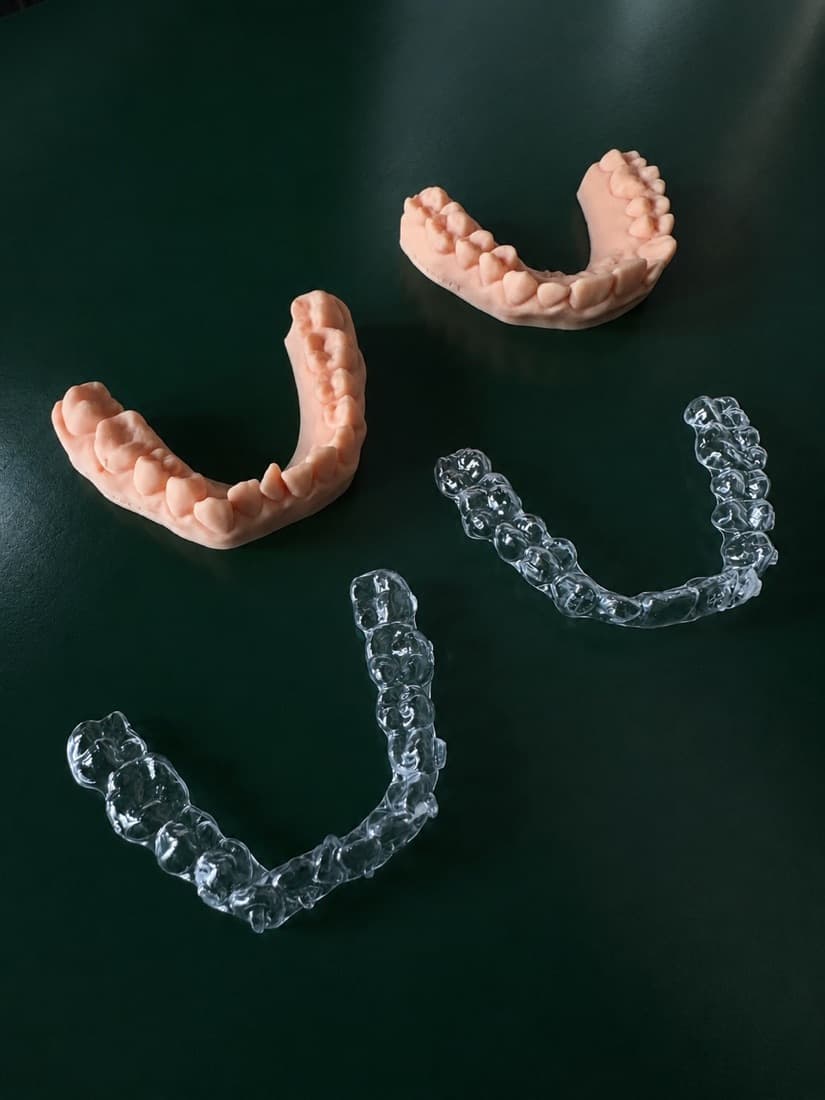
Ceramic veneers, crowns, root canal treatment, wisdom tooth surgery, bone grafting, and implants need more careful timing. There may be laboratory work, bite adjustments, wound healing, or several appointments. If every stage is squeezed into a short itinerary, there may be no time to review pain, swelling, or your bite before you leave.
A Quick Checklist Before You Book
- Share your medical history and current medications.
- Ask for a written treatment plan and itemised estimate.
- Confirm the number of appointments and expected recovery time.
- Leave a buffer between the procedure and your flight home.
- Keep copies of X-rays, photographs, receipts, and material details.
- Read your travel insurance policy, as planned dental care and related complications may be excluded.
If you take prescription medication such as blood thinners, do not stop it on your own. Speak with the prescriber and the treating dentist. After surgery, follow the recovery instructions and avoid treating the same day like a normal sightseeing day.
Plan Your Dental Care in Bali Without the Rush
If you want to talk through your dental needs and travel dates, the team at Floss Dental can help you build a realistic plan. Whether you need straightforward dental care or treatment across several visits, you can discuss the options, timing, and aftercare with a dentist Bali before making your decision.
FAQ About Dental Work Safety in Bali
Is Bali good for dental work?
Bali has many established dentists and clinics, but standards can still vary. Check the treating dentist, diagnostic process, infection control, communication, materials, and follow-up plan rather than choosing on price or a short review alone.
How much does a dentist cost in Bali?
The cost depends on your condition, the procedure, materials, imaging, and number of visits. Ask for an itemised estimate after a proper consultation so you understand what is included and what could change.
Is it safe to get your teeth cleaned in Bali?
Teeth cleaning is generally a routine procedure, but it should still be performed after an oral assessment with appropriate infection-control measures. Tell the dentist about gum problems, medical conditions, or medicines that may affect bleeding or healing.