What Is Dental Scaling? Definition, Benefits, and Procedure
Tartar cannot be removed by brushing alone. This hard layer must be cleaned through a dental scaling procedure using specialised instruments operated by a…
Dentist. The treatment not only makes the teeth look cleaner but also helps prevent problems affecting the gums and the tissues supporting the teeth.
So, what is dental scaling, what are its benefits, and how is the procedure performed? The following sections explain.
What Is Dental Scaling?
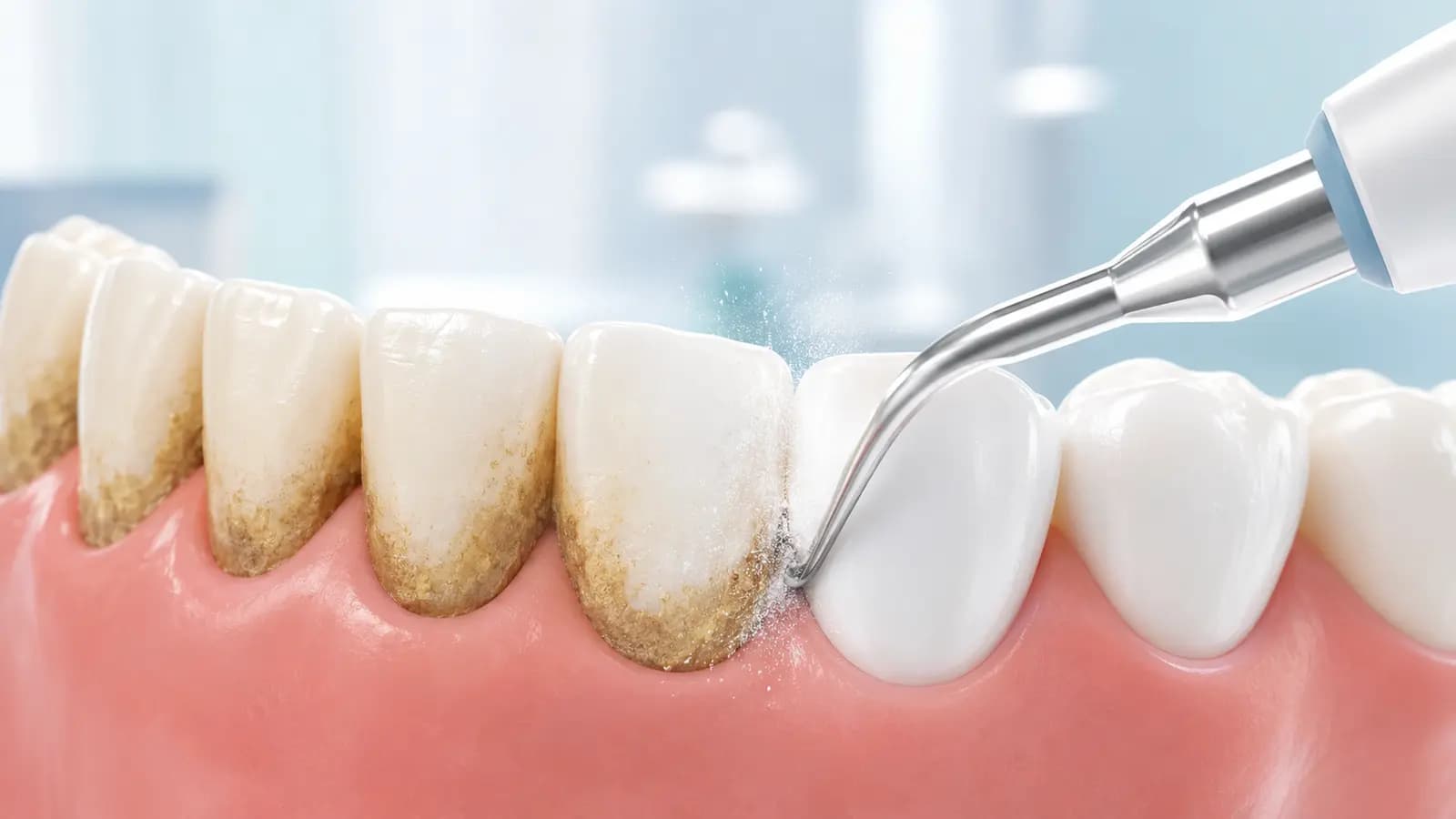
Dental scaling is a procedure that removes plaque and tartar from tooth surfaces, between the teeth, and around the gumline. Plaque is formed from a mixture of bacteria, saliva, and food debris left in the mouth.
Plaque that is not removed can harden into tartar, also known as dental calculus. Unlike plaque, which can still be removed with a toothbrush and floss, tartar adheres more firmly and cannot be eliminated by brushing alone.
Tartar removal must be performed by a dentist using an ultrasonic scaler or manual scaling instruments. The treatment is also commonly called dental scaling.
Benefits of Dental Scaling
Dental scaling does more than improve the appearance of the teeth. It also offers several benefits for oral health.
1. Removes Plaque and Tartar
The main benefit of scaling is removing plaque and tartar that cannot be cleaned away with a regular toothbrush. After treatment, tooth surfaces generally feel smoother and cleaner.
2. Helps Prevent Gingivitis
Tartar around the gumline can provide an environment in which bacteria thrive. This may cause gingivitis, marked by red, swollen, painful, or easily bleeding gums.
Removing tartar helps eliminate the source of irritation and can reduce the risk of gum inflammation and periodontal disease.
3. Helps Reduce Bad Breath
Bacteria and food debris trapped around tartar can cause bad breath. Scaling removes this build-up and can help the breath feel fresher.
If bad breath persists after scaling, a dentist may need to investigate other causes, such as cavities, gum infection, or dry mouth.
4. Protects the Supporting Tissues of the Teeth
Untreated gum inflammation can progress to periodontitis. This infection can damage the gums and bone supporting the teeth, making the teeth loose or even causing tooth loss.
Having scaling as recommended by a dentist can help protect these supporting tissues by controlling plaque and tartar build-up.
5. Makes the Teeth Look Cleaner
Scaling may remove certain surface stains caused by coffee, tea, cigarettes, or food. However, scaling is different from teeth whitening because it does not change the natural colour of the teeth.
How Is Dental Scaling Performed?
Before dental scaling, the dentist examines the teeth and gums. The length of the procedure varies between patients depending on the amount of tartar and their oral health.
1. Dental and Oral Examination
The dentist assesses the location and extent of tartar build-up. The examination also checks for other problems, including cavities, gingivitis, abscesses, or loose teeth.
Patients should tell the dentist if they take blood-thinning medicine, have certain medical conditions, use an artificial joint, or have previously undergone heart valve surgery.
2. Cleaning with an Ultrasonic Scaler
An ultrasonic scaler produces vibrations and a stream of water. The vibrations help break up tartar, while the water washes away debris and keeps the instrument cool.
During treatment, a patient may feel vibration, mild sensitivity, or slight discomfort. These sensations are more common when tartar is thick or the gums are inflamed. Local anaesthetic may be provided if needed.
3. Cleaning Hard-to-Reach Areas
After ultrasonic scaling, the dentist may continue with manual instruments to remove remaining tartar between teeth, along the gumline, and from other difficult areas.
For patients with gum disease, cleaning may need to extend below the gumline. Further treatment will depend on the examination findings.
4. Final Examination and Finishing
The dentist checks all tooth surfaces again to make sure the tartar has been removed. If needed, polishing may follow to smooth the teeth and help remove light surface stains.
Afterwards, the dentist usually provides guidance on brushing technique, dental floss, and ways to prevent tartar from forming again.
Does Dental Scaling Hurt?
Scaling generally does not cause severe pain, although comfort levels vary. Sensitive teeth, heavy tartar build-up, or inflamed gums can make the procedure feel more uncomfortable.
After treatment, some patients may experience temporary tooth sensitivity, mild gum soreness, or slight bleeding. These effects usually improve on their own.
Avoid foods and drinks that are very hot, cold, hard, or spicy until the discomfort settles. Return to the dentist promptly if you develop fever, increasing pain, swelling, or bleeding that does not stop.
How Often Is Dental Scaling Needed?
The frequency of scaling should be based on each patient’s oral health. Dental check-ups are generally recommended every six months, but scaling is not automatically required at every six-month visit if no tartar is present.
People who build tartar quickly, wear braces, smoke, have gum disease, or find oral hygiene difficult may need scaling more often. A dentist will recommend an appropriate schedule after examining the mouth.
Keep Your Teeth Clean with FLOSS Dental Studio
Untreated tartar can increase the risk of bad breath, gingivitis, and damage to the tissues supporting the teeth. If you need dental scaling or tartar removal through Dental Care Bali, consult a dentist at FLOSS Dental Studio for safe dental scaling tailored to your needs.