What Causes Swollen Gums? Symptoms and Treatment
Swollen gums are an oral health problem that can affect both children and adults. The condition is usually marked by changes in gum colour, enlarged tissue,…
Pain, and gums that bleed easily. Although it may sometimes improve with simple care, swollen gums can also be a sign of an infection or gum disease that requires treatment from a dentist.
Identifying the cause is important so that treatment addresses the underlying condition. Medicine for swollen gums may provide only temporary relief if the source of the problem, such as plaque, tartar, or infection, has not been treated.
What Are Swollen Gums?
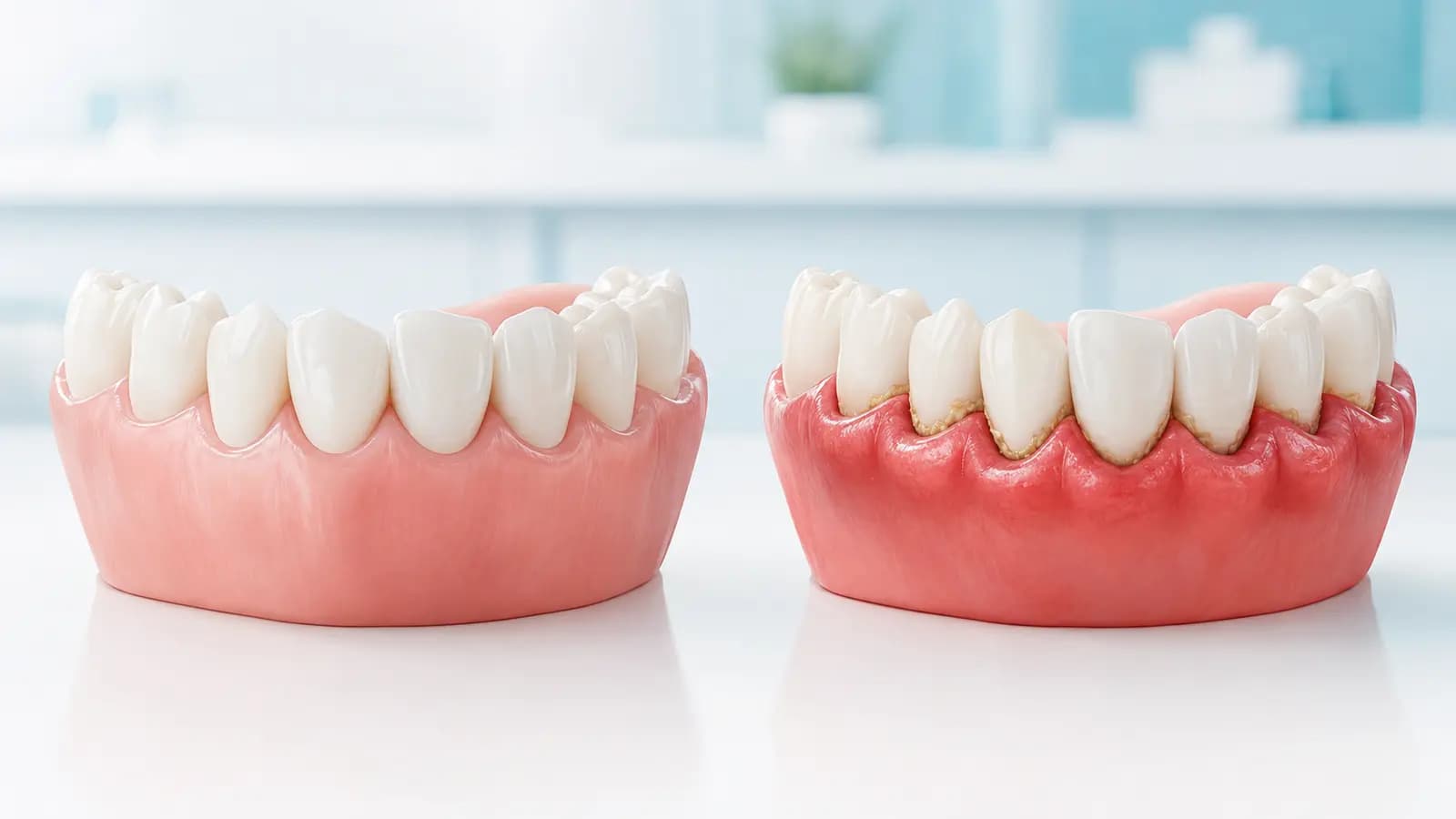
Swollen gums occur when gum tissue becomes inflamed and appears enlarged, raised, or partly covers the tooth surface. Healthy gums are generally pink, firm, and do not bleed easily. Inflamed gums, by contrast, tend to look redder and feel soft, sensitive, and painful when touched.
Swelling may affect one area of the gums or spread to several areas. Mild cases are often associated with plaque or trapped food, while swelling accompanied by pus and severe pain may indicate a more serious infection.
Symptoms of Swollen Gums
1. Red, Enlarged Gums
One of the easiest signs to recognise is a change in gum colour to dark red or purple. The gum tissue may also appear larger and more prominent than usual.
2. Gums That Bleed Easily
The gums may bleed while brushing, flossing, or chewing hard foods. Repeated bleeding can be a sign of gingivitis, or inflammation of the gums.
3. Pain When Chewing
Swelling makes the gums more sensitive. As a result, a person may feel pain or discomfort when chewing, brushing, or touching the affected area.
4. Bad Breath
Bacteria growing in plaque, tartar, or infected tissue can cause bad breath. The problem may not disappear completely even after brushing.
5. Pus Around the Gums
Pus coming from the gums may indicate an abscess or bacterial infection. This requires prompt examination because the infection can spread to tissues surrounding the tooth.
6. Loose Teeth
In more advanced gum disease, inflammation can damage the tissues and bone supporting the teeth. The teeth may then shift position or feel loose.
What Causes Swollen Gums?
1. Plaque and Tartar Build-up
Plaque is a sticky layer containing bacteria that forms on tooth surfaces. If it is not removed, plaque can harden into tartar and trigger inflammation. This is one of the most common causes of swollen gums.
2. Trapped Food
Food caught between a tooth and the gum can press on the tissue and encourage bacterial growth. Swelling usually develops in one area and may be accompanied by pain or the sensation that something is stuck.
3. Gingivitis and Periodontitis
Gingivitis is the early stage of gum disease and is commonly caused by plaque build-up. If untreated, it can progress to periodontitis, which damages the tissues and bone supporting the teeth.
4. Dental Infection or Abscess
An infection in a decayed tooth or its root can spread to the gum tissue. This usually causes one-sided swelling, throbbing pain, pus, fever, or swelling of the cheek.
5. Wisdom Tooth Eruption
A partially erupted or impacted wisdom tooth can create a pocket where food and bacteria collect. The surrounding gum tissue may then become inflamed, a condition known as pericoronitis.
6. Hormonal Changes
Hormonal changes during pregnancy, menstruation, or puberty can make gum tissue more sensitive to plaque. This can make the gums more prone to swelling and bleeding.
7. Nutritional Deficiency
A deficiency in certain vitamins, particularly vitamin C, can weaken gum tissue and make it more likely to swell, bleed, and become infected.
8. Injury or Irritation
Brushing too hard, wearing poorly fitting dentures, or using oral care products that cause irritation can make the gums swell. Trauma from hard or sharp foods can also increase the risk of gum injury.
9. Smoking
Harmful substances in cigarettes can damage gum tissue and slow healing. Smoking also increases the risk of periodontal disease and may mask early signs such as bleeding gums.
10. Side Effects of Certain Medicines
Some medicines can cause excessive gum tissue growth. If swelling begins after taking a particular medicine, do not stop it without advice; consult the doctor who prescribed it first.
How to Prevent Swollen Gums
1. Brush Regularly
Brush at least twice a day with a soft-bristled toothbrush and fluoride toothpaste. Use gentle movements to remove plaque without injuring the gum tissue.
2. Clean Between the Teeth
Use dental floss or an interdental cleaner every day to remove food and plaque that a toothbrush cannot reach.
3. Limit Sugary Foods and Drinks
Excessive sugar consumption supports the growth of plaque-forming bacteria. Limit sweet foods and make a habit of drinking water after meals.
4. Avoid Smoking
Stopping smoking can help maintain blood flow and improve the gum tissue’s ability to fight infection and repair damage.
5. Have Regular Dental Check-ups
Regular examinations help a dentist detect tooth and gum problems early. Professional tartar removal is also necessary because hardened tartar cannot be removed by brushing alone.
Treatment for Swollen Gums
1. Maintain Good Oral Hygiene
In mild cases caused by plaque or trapped food, brushing and cleaning between the teeth can help reduce inflammation.
2. Rinse with Salt Water
Warm salt water may provide temporary relief by helping to clean the mouth and reduce discomfort. Avoid rinsing too frequently, as it may cause irritation or dry mouth.
3. Apply a Cold Compress
Hold a cold compress against the outside of the cheek for several minutes to help reduce swelling and pain. Do not place ice directly on the gums.
4. Take Pain Relief
Paracetamol or ibuprofen may help reduce pain when taken according to the directions. However, these medicines do not remove the underlying cause and may not be suitable for everyone.
5. Have Dental Scaling
If plaque and tartar are causing the swelling, a dentist may perform scaling. Deeper gum disease may require root planing to remove bacteria below the gumline.
6. Receive Treatment for Infection
A dentist may prescribe antibiotics when there is a specific indication of bacterial infection. Antibiotics must be taken as prescribed and should not be used indiscriminately. An abscess may also need to be drained and the source of infection treated.
7. Treat the Problematic Tooth
If the swelling comes from a cavity, root infection, or impacted wisdom tooth, the dentist may treat it with a filling, root canal treatment, or extraction based on the examination.
See a dentist promptly if swollen gums do not improve, keep returning, discharge pus, occur with fever, cause facial swelling, or make it difficult to open your mouth, swallow, or breathe.
Treat Swollen Gums with the Right Care
Swollen gums need treatment based on their cause. If swelling persists or occurs with severe pain or pus, visit FLOSS Dental Studio, a professional Dental Care Bali and Dentist Bali option, for an examination and appropriate care.