What Are Dental Veneers? Benefits, Types, and Suitable Candidates
Dental veneers are an aesthetic treatment that can improve the colour, shape, size, and apparent alignment of teeth. They are commonly chosen by people who…
Want a neater-looking smile without covering the entire tooth with a crown.
Veneers are usually made from porcelain or composite resin and can be colour-matched to natural teeth. Although the treatment focuses on appearance, veneer placement is still a medical procedure and must begin with an examination by a dentist.
What Are Dental Veneers?
Dental veneers are thin shells placed over the front surfaces of teeth to conceal a range of cosmetic imperfections. They can cover discolouration, small cracks, gaps, and teeth with disproportionate shapes.
Unlike a crown, which covers the entire visible part of a tooth, a veneer covers only the front. Some procedures also require a small amount of enamel to be removed so the veneer fits properly. Because this change may be permanent, patients should understand the benefits and risks before treatment.
Benefits of Dental Veneers
1. Improves Tooth Colour
Veneers can conceal yellowing or stubborn stains that are difficult to improve with teeth whitening. Their shade is selected to look natural and blend with the surrounding teeth.
2. Creates More Proportionate Tooth Shapes
Teeth that are too small, short, pointed, or unevenly shaped can be improved with veneers. The dentist designs the shape with the patient’s facial structure, smile line, and dental condition in mind.
3. Closes Small Gaps Between Teeth
A veneer can close a small gap and make the teeth appear more closely aligned. A larger gap or one caused by jaw alignment may require orthodontic treatment instead.
4. Conceals Minor Cracks or Damage
Veneers may cover small cracks, minor chips, or worn tooth surfaces. They are not intended to repair severely damaged or structurally weak teeth.
5. Creates a Neater-Looking Smile
Improving tooth colour, shape, and size together can create a more symmetrical smile. The final result still depends on the initial condition, the material used, and the dentist’s treatment plan.
Types of Dental Veneers
1. Porcelain Veneers
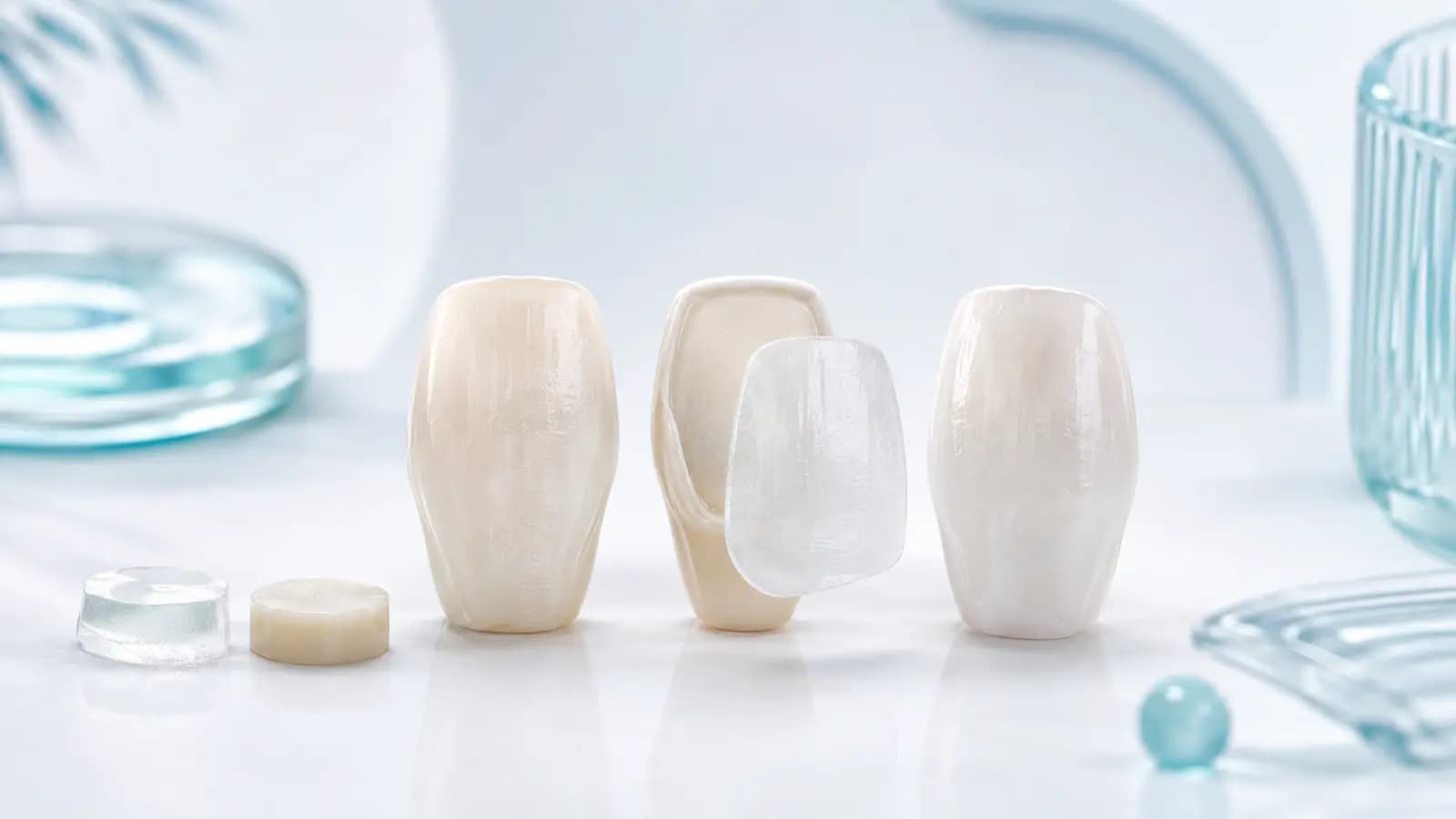
Porcelain veneers are custom-made in a dental laboratory based on the shape and colour of the patient’s teeth. They can reproduce the translucency and lustre of natural enamel, offering strong aesthetic results.
Porcelain is also relatively resistant to discolouration and generally lasts longer. However, fabrication requires several visits and usually involves removing some enamel.
2. Composite Veneers
Composite veneers use resin that is applied and shaped directly on the tooth surface. The procedure is relatively quick and usually requires less enamel removal than porcelain veneers.
Composite material is more likely to stain, wear, or crack. It generally has a shorter lifespan, although damaged areas can often be repaired more easily by a dentist.
Choosing between porcelain and composite veneers is not based only on appearance or longevity. The dentist also considers enamel condition, tooth position, patient habits, and the desired result.
Who Is Suitable for Dental Veneers?
1. People with Tooth Discolouration
Veneers may be considered when tooth colour is uneven or stains do not respond well to whitening. An examination is still required to identify the cause of the discolouration.
2. People with Disproportionately Shaped Teeth
People with teeth that are too small, short, pointed, or asymmetrical may be suitable candidates. Veneers improve shape without replacing the natural teeth.
3. People with Small Gaps Between Teeth
Veneers can close minor gaps. If a gap relates to tooth or jaw alignment, the dentist may recommend braces or clear aligners first.
4. People with Minor Tooth Damage
A small crack, worn edge, or minor chip may be repaired with a veneer if the remaining tooth structure is sufficiently strong and healthy.
5. People with Healthy Teeth and Gums
An ideal candidate needs healthy teeth and gums. Cavities, gingivitis, and root canal problems must be treated before veneers are placed.
Veneers are generally not recommended for patients with very thin enamel, severe tooth damage, poor oral hygiene, or a teeth-grinding habit. Biting nails, ice, or other hard objects can also increase the risk of a veneer cracking or coming loose.
How Are Dental Veneers Placed?
1. Examination and Planning
The dentist examines the teeth, gums, bite, and the patient’s aesthetic goals. Additional checks such as dental X-rays may be performed to confirm that the teeth are healthy.
2. Preparing the Tooth Surface
A certain amount of enamel may be removed to make room for the veneer. The amount depends on the tooth’s condition, the veneer material, and the placement technique.
3. Making and Placing the Veneer
For porcelain veneers, an impression or digital scan is sent to a laboratory. When the veneer is ready, the dentist checks its shape, size, and colour before bonding it with a special material. Composite veneers are generally shaped directly on the tooth.
4. Final Examination
The dentist evaluates the veneer’s position, the comfort of the bite, and the shape. A follow-up visit may be arranged to make sure the veneer and gum tissue are adapting well.
How to Care for Dental Veneers
Veneers require the same care as natural teeth. Brush twice a day with a soft-bristled toothbrush, clean between the teeth with dental floss, and attend regular dental check-ups.
Do not use your teeth to open packaging or bite hard objects, as this may crack a veneer. Patients who grind their teeth during sleep may need a mouthguard as recommended by the dentist.
Discuss Veneer Treatment with FLOSS Dental Studio
Dental veneers can create a neater, brighter, and more proportionate smile when treatment is suited to the patient’s dental condition. Discuss porcelain or composite veneers with a dentist at FLOSS Dental Studio, a Dentist Bali choice for a thorough examination and a treatment plan tailored to the health and natural character of your smile.