Does Australian Travel Insurance Cover Dental Treatment in Bali?
See when Australian travel insurance may cover emergency dental care in Bali, what planned treatment excludes and which records you should keep.
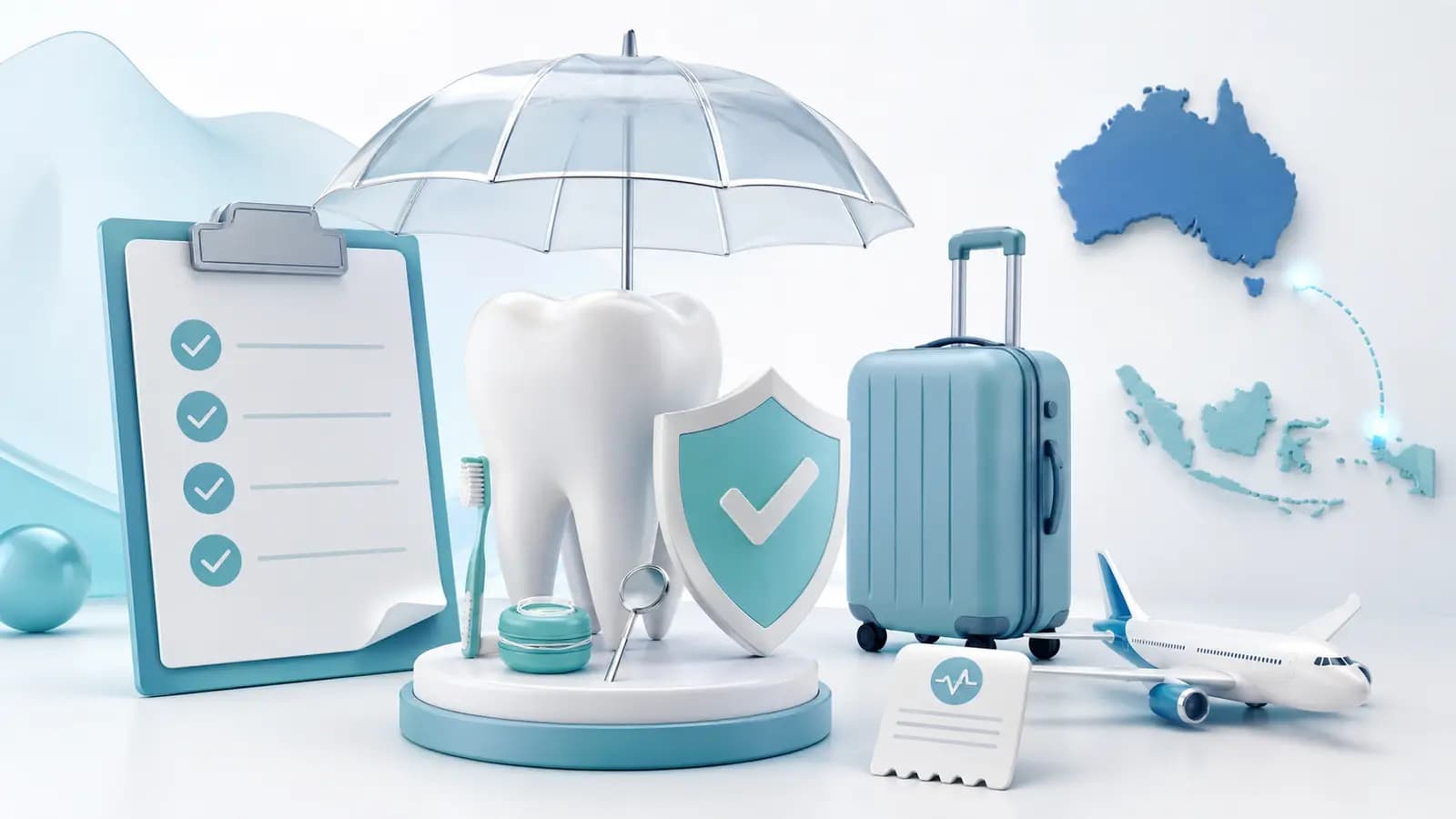
Usually, no. Australian travel insurance generally does not pay for veneers, whitening, implants, crowns, cleaning or other dental work you planned to receive in Bali. A standard travel policy is designed for unexpected events, not to fund a dental holiday.
What may be covered is emergency dental care after an unforeseen problem during the trip. Even then, the benefit may only pay for pain relief or temporary stabilisation. The final answer depends on your Product Disclosure Statement (PDS), benefit limits, excess and written confirmation from your insurer.
A Quick Answer for Four Different Situations
| Situation | Likely position | What to check |
|---|---|---|
| Veneers, implants, whitening or crowns booked before travel | Usually excluded by standard policies | Whether specialised medical travel cover is available |
| A fall during the holiday breaks a sound natural tooth | May fall under emergency dental or accident cover | Benefit limit, eligible teeth and permitted treatment |
| Unexpected toothache develops in Bali | May cover pain relief or temporary care only | Whether the cause is treated as pre-existing |
| Infection or another issue follows planned treatment | Often excluded by standard cover | Complications, extra accommodation and evacuation |
This table is a general guide. Two products from the same insurer can have different limits and exclusions, so do not rely on a benefit label such as “overseas dental” without reading its definition.
Three Types of Cover People Commonly Confuse
1. Standard travel insurance
This usually focuses on accidents, unexpected illness, cancellation, luggage and emergencies during a trip. If dental cover is included, it may only apply to treatment that cannot reasonably wait until you return to Australia.
Some policies require an injury to a previously healthy natural tooth. Decay, gum disease, normal wear or a known dental problem may be excluded. Permanent crowns, implants, whitening and cosmetic dentistry also commonly sit outside emergency cover.
2. Australian private health or extras cover
Extras cover may pay a benefit for treatment in Australia, but that does not automatically extend to an overseas clinic. Some health funds have specific overseas arrangements, so ask whether an Indonesian provider is eligible and which records would be required.
3. Medical or dental tourism cover
Specialised products may be designed for people travelling for elective treatment. Benefits can include certain complication costs, an extended stay or a medically necessary return trip. However, the policy may still exclude the original procedure and the cost of corrective treatment.
If dental treatment is one purpose of your trip, disclose it before buying the policy. Failing to explain your plans could affect whether the cover remains valid.
What Is the Difference Between Emergency and Planned Dental Care?
Emergency dental care is treatment needed because an unforeseen problem requires prompt attention during the trip. Its purpose may be to relieve pain, control bleeding, treat an acute infection or restore function temporarily.
Planned treatment is work you knew about or arranged before departure. An implant or crown can be clinically necessary and still count as planned care. The same is true of cosmetic procedures such as veneers and whitening.
If you are organising a dental holiday in Bali from Australia, treat insurance as part of your risk planning—not as a source of funding you assume will be available.
Complications Can Be the Financial Blind Spot
The question is not only whether the dentist’s fee in Bali is covered. An infection after an implant, dry socket after an extraction, a crown adjustment or a damaged veneer can lead to extra reviews, changed flights, more nights in a hotel or follow-up care in Australia.
A standard policy may reject these costs when they arise from elective treatment. A specialist policy still has its own definitions, limits and pre-approval requirements. When comparing dental treatment costs in Bali, keep a contingency fund for expenses that insurance may not reimburse.
Seven Questions to Send Your Insurer
- Is planned dental treatment in Bali excluded?
- How does the PDS define emergency dental treatment?
- Are complications from elective procedures covered?
- Is there a separate limit, excess, waiting period or pre-authorisation?
- Would a known dental problem be treated as pre-existing?
- Can changed flights, extra accommodation or medical evacuation be covered?
- Must you contact the assistance line before treatment?
Describe the actual procedure—such as one implant, veneers or an extraction—rather than asking vaguely about “dental treatment”. Request the answer in writing and save the PDS that applied when you bought the policy.
Which Records Should You Keep?
Ask for the diagnosis, treatment plan, relevant X-rays or photographs, an itemised invoice, proof of payment, prescriptions and a procedure report. Keep all insurer correspondence and the reference number from any emergency-assistance call.
Complete records do not guarantee a successful claim, but they help show when the problem began, what treatment was provided and why it could not wait. A clinic with clear diagnosis and documentation is also part of choosing safe dental care in Bali.
If It Is Not Covered, Plan the Risk
Keep room in your budget for changes after the clinical examination, extra reviews and a possible change to your return date. Avoid booking a flight too close to treatment; the guide to flying after dental work in Bali can help you discuss a sensible timeline with your dentist.
This article is general information, not an interpretation of a specific insurance contract. Policy terms can change, and only the insurer can decide a claim under your PDS and circumstances.
Plan the Full Cost Before You Travel
A written plan helps separate treatment fees, travel expenses and the risks you may need to fund yourself. If you want to discuss dental care, find a dentist Bali option for an examination, or request an estimate from Floss Dental, start early so you have time to confirm the policy before departure.
FAQ About Travel Insurance and Dental Treatment
Can you claim dental on travel insurance?
You may be able to claim in limited situations, particularly for an unforeseen dental emergency that meets the policy definition. Planned, cosmetic or pre-existing dental treatment is commonly excluded by standard travel insurance.
What does travel insurance not cover?
Exclusions vary, but they may include planned procedures, cosmetic and routine care, undeclared existing conditions, or costs incurred without the insurer’s approval. Check the PDS, benefit limit, excess and pre-authorisation process.