Dental Crowns in Kuta: Types, Cost Factors, and Longevity
A dental crown is a restoration that covers the visible part of a tooth above the gum. For patients comparing dental crowns kuta, FLOSS Dental Studio offers
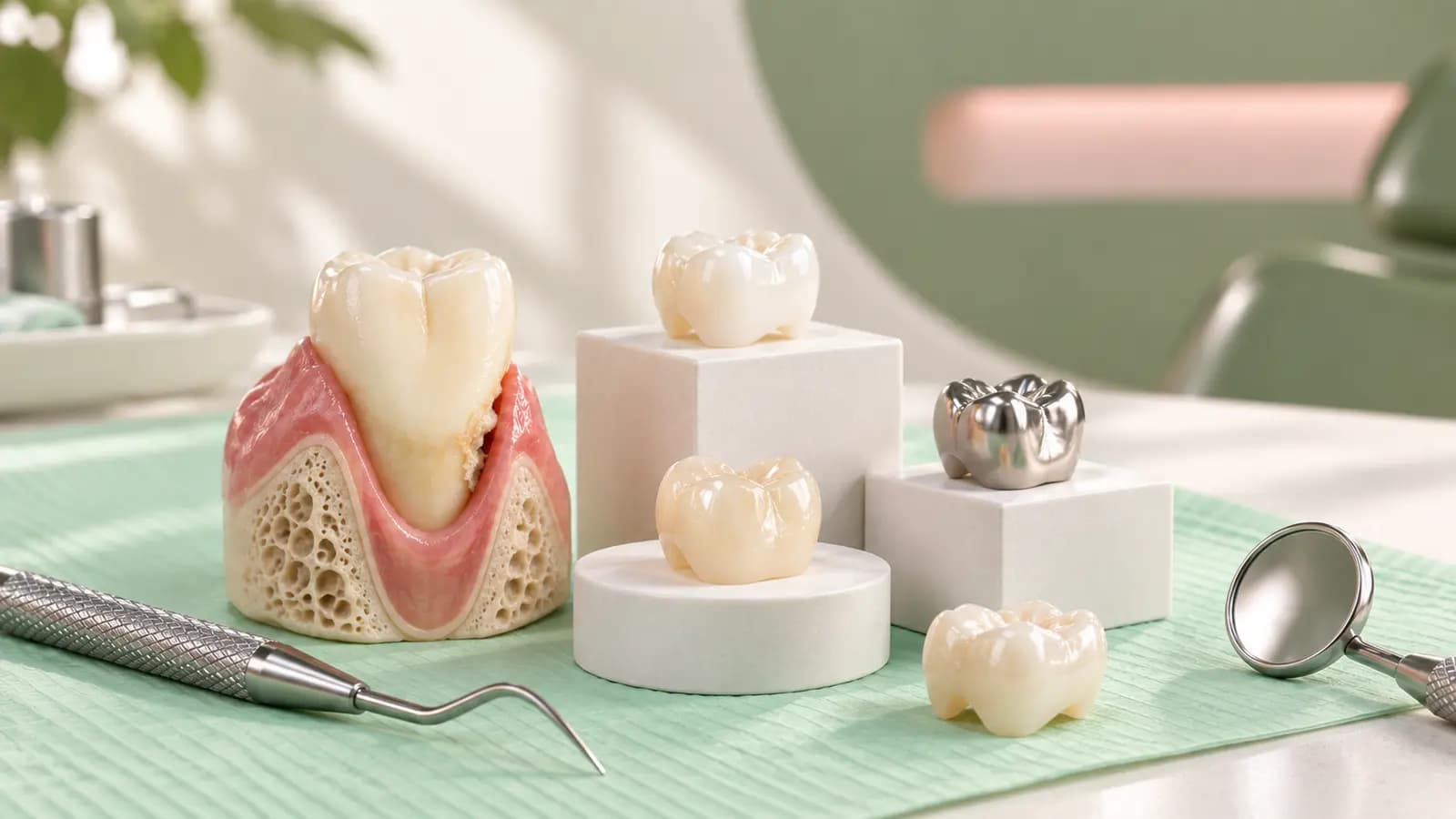
E.max or zirconia ceramic crowns at a guide price of IDR 4,500,000 per tooth, usually over 2–3 visits. The final recommendation depends on tooth structure, bite, gum health, and aesthetic and functional goals.
What Is a Crown and When Is It Needed?
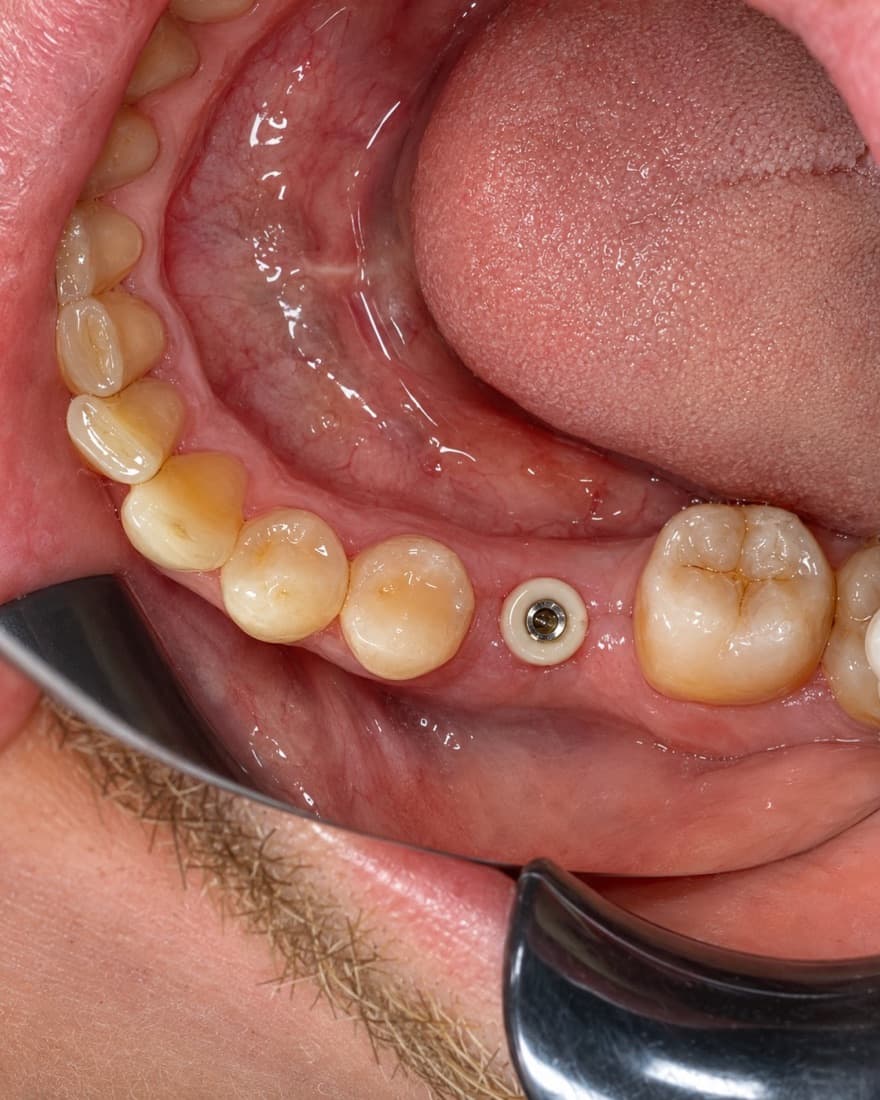
Unlike a filling that repairs a specific area, a crown surrounds the remaining tooth to restore shape, strength, and chewing function. It may be considered for a cracked, broken, heavily worn, discoloured, or misshapen tooth, a tooth with a large filling, or one that has undergone root canal treatment. Crowns can also restore implants or form part of a bridge.
A crown is not the answer to every cavity. Limited damage may need only a filling, while a root fracture or insufficient bone support can make a tooth unrestorable. A crown dentist kuta should first check whether enough healthy tooth remains and whether decay, infection, or gum disease needs treatment.
Signs a Tooth Needs Assessment for a Crown
- Much of the tooth has been lost to decay or an old restoration.
- The tooth is cracked, broken, or painful during biting.
- A root-canal-treated tooth has weakened and needs protection.
- An existing crown is loose, cracked, unpleasant-smelling, or no longer fits at the edge.
- Shape or colour is a concern, but the tooth and gums still need a health assessment.
E.max and Zirconia Crowns
E.max is a lithium-disilicate ceramic known for translucency similar to natural enamel, so it is often considered for teeth visible in the smile. Zirconia offers high strength and can suit teeth exposed to greater chewing forces. The choice is not determined only by whether a tooth is at the front or back.
The dentist also evaluates remaining tooth thickness, bite space, grinding, the underlying shade, gum condition, and colour-matching demands. In some cases, one material provides a better balance of appearance and durability. A tooth crown kuta should therefore be selected after examination rather than by material name alone.
Crown Price Guide at FLOSS
These are guide prices from FLOSS Dental Studio and are confirmed after clinical assessment.
Core build-up, root canal treatment, gum adjustment, temporary work, or another supporting procedure may be separate. The total can change with tooth condition, restoration type, number of units, laboratory work, and bite complexity. Request an itemised plan before beginning.
How a Dental Crown Is Made
- The dentist examines the tooth, gums, and bite, using X-rays when needed to assess the root and supporting tissue.
- Decay or a failing restoration is removed. The tooth is shaped carefully to create room for the crown.
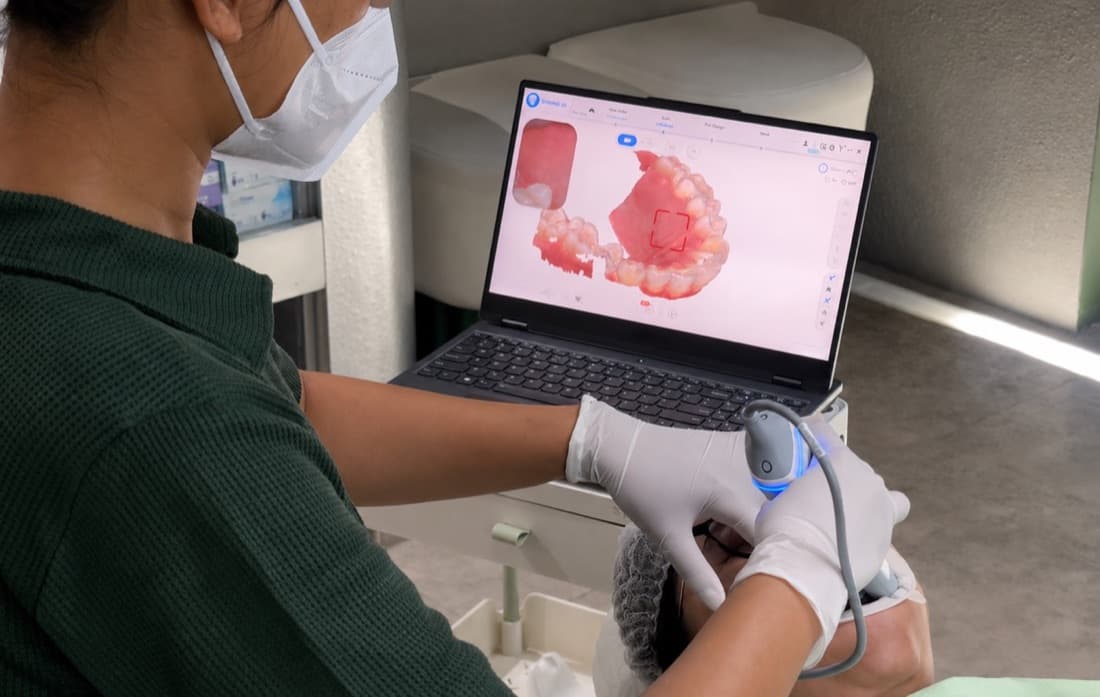
- A digital scan or impression records the prepared tooth, neighbouring contacts, opposing teeth, and bite.
- A temporary crown may protect the tooth while the permanent restoration is made. Avoid very hard or sticky foods during this stage.
- The permanent crown is tried in to check margins, contacts, shade, shape, and bite before bonding.
- After placement, the dentist makes final adjustments and schedules a review when needed.
Custom laboratory work means the process usually requires 2–3 visits. Travellers should share their departure date from the first consultation because tooth repair, production time, and adjustments can affect the schedule.
How Long Can a Crown Last?
A crown is a long-term restoration but not a lifetime guarantee. Longevity depends on the remaining tooth, margin accuracy, bite pressure, grinding, hard-food habits, oral hygiene, and professional maintenance. The underlying tooth can still develop decay where the crown meets it.
How to Care for a Crown
- Brush twice daily and clean between teeth every day.
- Do not use crowned teeth to open packaging or bite ice and other hard objects.
- Wear a night guard if your dentist recommends one for grinding.
- Limit frequent sugar exposure and keep the gums healthy.
- Arrange a review if the crown feels loose, painful, odorous, newly sensitive, or changes your bite.
Comfort, Safety, and Possible Problems
Local anaesthetic can keep tooth preparation comfortable. Temporary gum or tooth sensitivity may follow. A crown that is too high can hurt during biting and should be adjusted. Other problems include fracture, loss of cement, decay at the edge, or pulp symptoms in a tooth that was already deeply damaged.
Never reattach a loose crown with household glue. Keep the restoration, avoid chewing on that side, and contact a dentist. Throbbing pain, swelling, fever, or a moving crown needs prompt assessment to limit further damage or infection.
Plan a Crown With Realistic Expectations
The right crown plan protects remaining tissue while balancing appearance, bite, cost, and future care. For individual dental care, consult a dentist Bali visitors can reach at Floss Dental to assess whether the tooth can be retained, which material fits, and how the visits can work during your stay.
FAQ About Dental Crowns in Kuta
How much does a crown cost at FLOSS?
FLOSS lists an E.max or zirconia ceramic crown at IDR 4,500,000 per tooth and approximately 2–3 visits. Root canal treatment, core build-up, gum adjustment, temporary work, or supporting procedures may be separate.
What is a dental crown?
A crown is a fixed, cap-shaped restoration covering the visible tooth above the gum. It helps restore form, strength, chewing function, and appearance when the remaining tooth needs broader protection than a filling.
How long does a crown last?
There is no identical lifespan for every crown. It can function for years when the supporting tooth is healthy, the fit and bite are sound, and hygiene is maintained. Reviews help detect leakage, fracture, or gum problems early.
Is a crown permanent?
It is fixed in place rather than removable by the patient, but it does not last forever. Wear, fracture, loosening, gum changes, or decay beneath the edge can eventually require repair or replacement.