Why Do Teeth Feel Sensitive? Causes and How to Treat Them
Tooth sensitivity can appear suddenly when you drink cold water, enjoy hot food, or eat something sweet. The pain is usually sharp and short-lived, but it…
Can still interfere with everyday activities.
One of the most common causes is sensitive teeth. However, the symptom may also indicate another problem, such as worn enamel, receding gums, tooth decay, or a cracked tooth. Identifying the cause is important so the tooth can receive the right treatment.
Why Do Teeth Feel Sensitive?
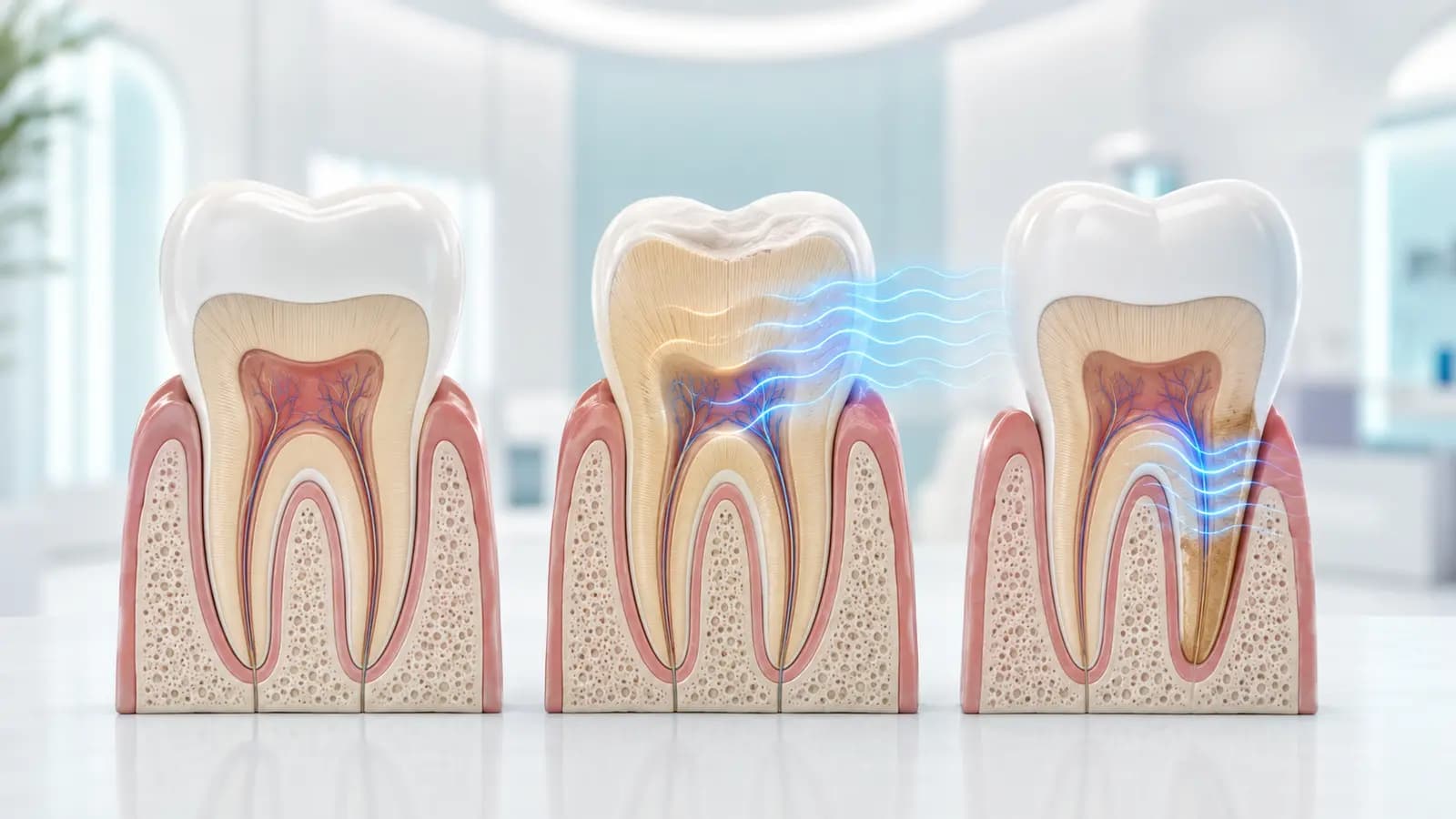
A tooth has several layers: enamel, dentine, and pulp. Enamel is the outermost layer that protects the tooth, while dentine lies beneath it and contains tiny channels connected to the tooth’s nerves.
When enamel becomes thinner or a tooth root is exposed because the gum has receded, outside stimuli can reach the dentine. This is why a tooth may feel sensitive when exposed to cold, hot, sweet, or acidic foods and drinks, cold air, or pressure while brushing.
Sensitivity-related pain is generally sharp and lasts only a few moments. If the pain persists, throbs, or appears without a trigger, it may indicate a more serious dental problem.
Common Causes of Tooth Sensitivity
1. Worn Tooth Enamel
Enamel can wear away when acidic foods and drinks, such as soft drinks, fruit juice, or energy drinks, are consumed too frequently. The thinner the enamel becomes, the more easily stimuli can reach the dentine and trigger sensitivity.
2. Brushing Too Hard
Brushing with too much pressure or using a hard-bristled toothbrush can wear away enamel and injure the gums. Over time, this habit can expose part of the tooth root and make it more sensitive.
3. Receding Gums
Gum recession can expose the root surface. Because the root is not protected by enamel, heat, cold, sweetness, or acidity can more easily cause sensitivity.
4. Tooth Decay
A cavity can damage the enamel and dentine. In its early stages, the tooth may feel sensitive only when exposed to certain foods or drinks. As the damage deepens, the pain may last longer and eventually reach the tooth’s nerve.
5. A Cracked Tooth
A small crack can allow stimuli to reach the more sensitive layers of the tooth. Symptoms commonly appear when biting hard food, chewing, or when the tooth is exposed to changes in temperature.
6. Teeth Grinding or Clenching
Grinding or clenching the teeth too forcefully during sleep can wear down enamel. Repeated pressure may also cause small cracks and make the teeth feel sensitive.
7. Sensitivity After Dental Treatment
Teeth may feel more sensitive after scaling, a filling, or teeth whitening. This is usually temporary. However, a dental examination is needed if the sensitivity does not improve or becomes worse.
Signs of Sensitive Teeth
Sensitive teeth usually cause a sharp sensation after a tooth is exposed to a particular stimulus. It may affect one tooth or several teeth at the same time.
Sensitivity When Eating or Drinking
Sensitivity may occur when consuming food or drinks that are very cold, hot, sweet, or acidic. For some people, breathing cold air through the mouth can also trigger it.
Discomfort While Brushing
A particular area may feel sensitive when touched by a toothbrush or when the spaces between the teeth are cleaned with dental floss.
Sharp, Short-Lived Pain
Pain caused by sensitive teeth is usually sharp but fades quickly once the trigger no longer touches the tooth. Pain that lasts longer may point to another problem.
Recurring Symptoms
Sensitivity may return whenever the tooth encounters the same trigger. If left unaddressed, the symptoms may become more frequent and interfere with eating or cleaning the teeth.
How to Prevent Tooth Sensitivity
1. Brush Gently
Use a soft-bristled toothbrush and avoid applying too much pressure. Brush twice a day with gentle movements to reduce the risk of damaging enamel and gum tissue.
2. Use Toothpaste for Sensitive Teeth
Toothpaste formulated for sensitive teeth can help reduce the nerves’ response to stimuli. Use it regularly as directed, as the benefits generally develop over time.
3. Limit Acidic Foods and Drinks
Reduce your intake of soft drinks, energy drinks, high-sugar foods, and highly acidic foods. After consuming them, rinse with water and wait about 30-60 minutes before brushing.
4. Avoid Biting Hard Objects
Do not use your teeth to open packaging or bite your nails, ice cubes, or other hard objects. These habits can wear down enamel and crack teeth.
5. Have Regular Dental Check-ups
A dental examination every six months can help identify cavities, enamel damage, or gum problems before they cause more severe symptoms.
How Tooth Sensitivity Is Treated
1. Avoid Triggers Temporarily
While a tooth is sensitive, avoid foods and drinks that are extremely hot, cold, sweet, or acidic. Choose foods at a more neutral temperature to reduce stimulation.
2. Use Products for Sensitive Teeth
Toothpaste for sensitive teeth can be used as an initial measure. A dentist may also apply a desensitising agent or fluoride to help protect the tooth surface.
3. Have the Tooth Filled
If sensitivity is caused by a cavity, crack, or surface damage, the dentist may place a filling based on the tooth’s condition and the extent of the damage.
4. Treat Gum Problems
Sensitivity caused by gum recession or gum disease requires a specific assessment. Treatment may include professional cleaning, improved oral hygiene, or further care depending on the condition of the gums.
5. Use a Mouthguard
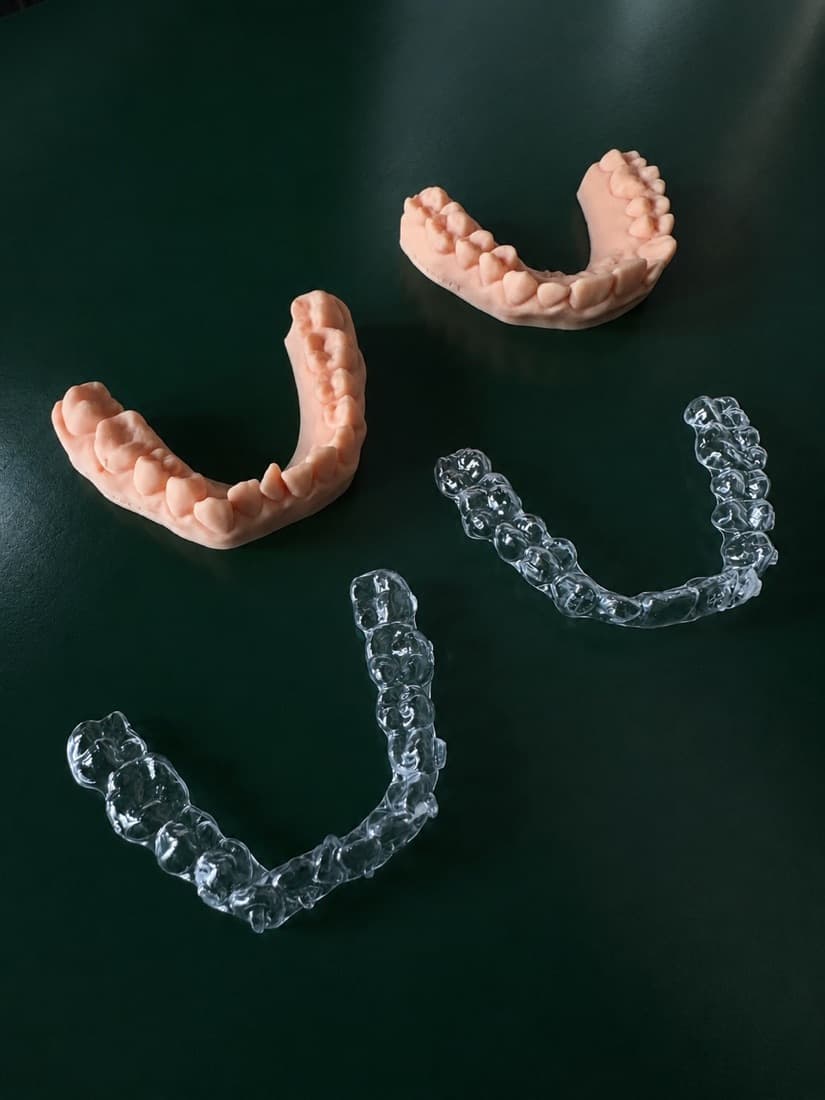
If teeth grinding during sleep is the cause, a dentist may recommend a mouthguard to reduce pressure and prevent further damage.
6. Have Root Canal Treatment if Needed
If damage has reached the pulp or nerve, root canal treatment may be required. This procedure removes infected tissue while allowing the tooth to be retained.
Treat Tooth Sensitivity with FLOSS Dental Studio
Tooth sensitivity that keeps returning, becomes more severe, or occurs with throbbing pain and swelling should be examined promptly. If you are looking for Dental Care Bali or a Dentist Bali to address the problem, visit FLOSS Dental Studio for a thorough examination and treatment options suited to the condition of your teeth.