Crowded Teeth: Causes and Treatment Options
Crowded teeth overlap or turn when there is too little room for them to sit in line. The need for treatment depends on cleaning, the bite and what you…

Want to change. A dentist can check whether you would benefit from monitoring, a cleaning adjustment or an orthodontic plan.
Start with the place that causes trouble. A tooth that looks rotated in a photo may be easy to care for, while a smaller overlap at the back can repeatedly trap food or make brushing awkward.
What Causes Crowded Teeth
Tooth size and the available arch space may not match. Inherited factors can influence both, while eruption paths and the timing of baby-tooth loss can also affect the arrangement.
A baby tooth lost early or retained for longer may alter the space available. However, the cause cannot be established by looking at one prominent tooth.
In adults, position can change over time. If a new change has occurred, discuss previous treatment, retainer use, missing teeth, and gum health rather than assuming it is the same as a childhood alignment pattern.
Some teeth overlap, tilt, or turn. Floss may be difficult to guide through particular contacts, or a surface may feel hard to reach with a toothbrush. There may be little or no pain.
Difficulty passing floss does not by itself establish severe crowding. Contact shape or a restoration may also contribute, so examination helps distinguish the factors.
The required treatment is not determined only by how irregular the front teeth look in a smile. Back teeth, upper-lower contacts, and supporting structures can influence the decision.
Do not assume that every case of crowded front teeth results from wisdom teeth pushing from behind. The available space and changes in the arrangement need a broader assessment.
Wisdom-tooth decisions have their own considerations, including position, symptoms, and effects on nearby tissues. Removing a wisdom tooth should not be promised to straighten an already crowded arch automatically.
If you have been given conflicting explanations, ask which examination findings support the recommendation and what outcome the proposed procedure is intended to achieve.
How Crowding Can Affect Cleaning and Function
Cleaning and Gum Health
Overlapping positions can make access harder on some surfaces. Plaque remaining in these areas may contribute to dental or gum problems.
Nevertheless, recurrent swollen or bleeding gums do not prove that position is the only cause. Cleaning tools, technique, and the wider oral condition should also be assessed.
Bite Function
Tooth contacts may affect biting or chewing comfort in some cases. Mention areas that meet first, feel awkward, or repeatedly catch the soft tissues.
Not every crowded arrangement has the same functional effect. Recommendations should follow the findings and your needs rather than treating every positional variation identically.
Brush gently over all surfaces, including the inner sides of overlapping teeth.
Use appropriately sized interdental tools rather than forcing a large brush into a tight contact.
Ask for a demonstration for difficult areas.
Report bleeding, pain, or increasing changes in position.
Avoid unsupervised bands or devices intended to move the teeth yourself.
Duration and review requirements follow the analysis. Retainers may be part of maintaining the result after active treatment, with the type and wear schedule prescribed individually.
If travel affects your availability, discuss it before selecting an appliance. A realistic supervision plan matters throughout the course of treatment.
If one contact is hard to floss, bring the tool you normally use and ask the dentist to watch the angle. Sometimes a different approach helps while you consider treatment. Mention if you have difficulty biting, regularly catch the cheek or notice that a filling in the area keeps failing.
What a Crowded Teeth Assessment Includes
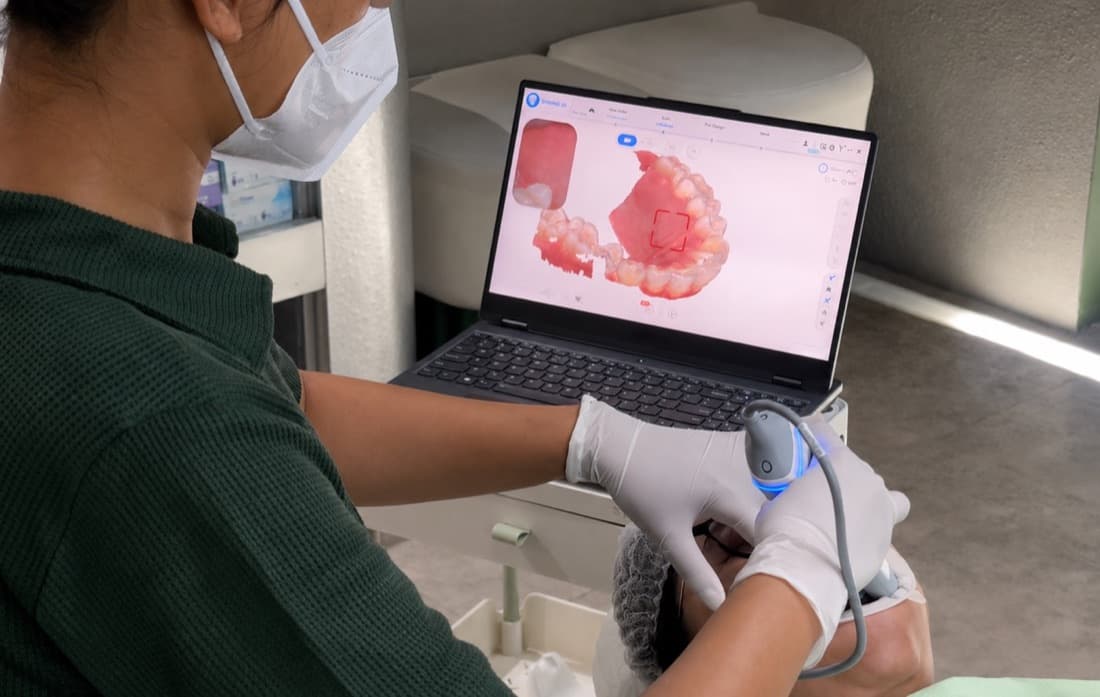
The clinician evaluates space, tooth position and number, jaw relationships, gums, and developmental or treatment history. Photographs, models, scans, or imaging may be selected when appropriate.
Bring details of braces or retainers used previously. A changing arrangement after earlier treatment does not automatically require the same plan as an untreated case.
Active dental and gum problems may need attention before tooth movement begins. Preparing oral health helps create a more suitable basis for supervised orthodontic care.
Tell the dentist whether you have had braces before and whether you still have a retainer. If the crowding is recent, bring an earlier photograph or scan if available. That can help distinguish a long-standing tooth position from movement that has occurred since treatment.
Ask how much space is needed and where it could come from. The answer depends on more than the visible overlap. The condition of the gums, the position of the roots and the way the upper and lower teeth meet all inform the options.
Treatment Options for Crowded Teeth
Braces or Aligners in Suitable Cases
Both can guide planned movements, but their handling and limitations differ. Braces work through controlled forces, with gradual changes and reviews rather than a single step that simply lines up the front teeth.
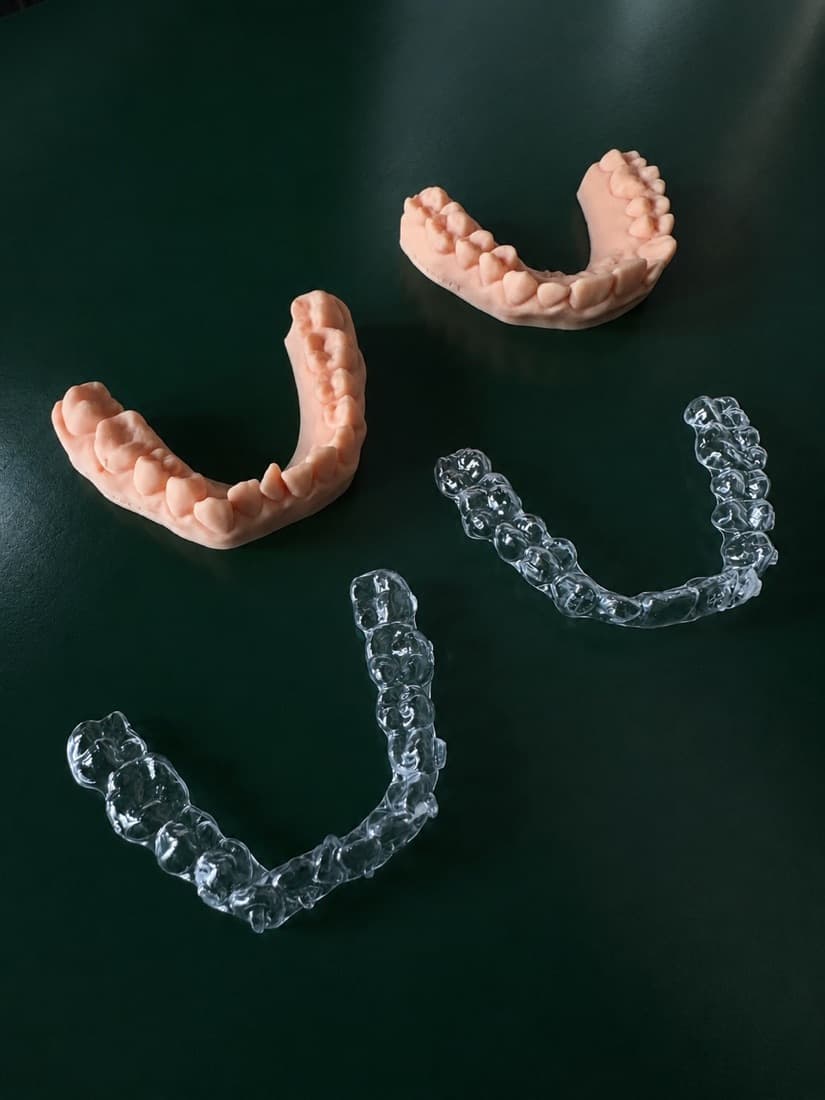
Aligners still need assessment and consistent wear. A transparent appearance does not make an appliance suitable for every movement or remove the need for monitoring.
Managing the Space
Different approaches may be considered to obtain space according to the analysis. Extraction is sometimes part of a plan, but the decision cannot be made merely because the teeth look crowded.
Ask how space will be created and why that method is recommended. Keeping every tooth is not an absolute rule, and extraction is not automatically the quickest or best route.
Monitoring
In selected circumstances, monitoring may be chosen after discussing function, health, and your preferences about appearance. Reviews remain useful for assessing changes.
Orthodontic services offer a starting point for an individual discussion of these choices.
When comparing options, ask what each would change about cleaning or biting and what movement it requires. If a plan includes creating space, ask how that affects the surrounding teeth. If you choose to monitor, agree on what changes should bring the next check forward.
Start With the Area That Is Hardest to Clean
If you are considering alignment, bring up the exact areas you struggle to clean or the bite changes that concern you. FLOSS Dental Studio is in Kerobokan, Kuta Utara. See Dentist Bali for clinic details and use the Dentist Kuta or Dentist Canggu guide to plan your visit.