What Are Dental Braces? Benefits, Types, and the Fitting Process
Dental braces are orthodontic appliances used to improve tooth alignment and the way the upper and lower jaws meet. Treatment can create a…
Straighter-looking smile, but its purpose goes beyond appearance. Correctly planned orthodontic care may also improve biting, chewing, speech, and long-term oral hygiene.
Every patient has a different tooth position, jaw relationship, and treatment goal. A full dental assessment is therefore needed before braces are fitted. The most suitable appliance, expected treatment time, and review schedule will depend on the findings.
What Are Dental Braces?
Braces apply light, controlled forces that gradually move teeth towards planned positions. With fixed braces, brackets are bonded to the teeth and connected by an archwire. Removable orthodontic appliances, including clear aligners, may be suitable for selected cases.
Teeth do not move instantly. The bone and supporting tissues around them need time to remodel, which is why treatment is carried out gradually and monitored through regular appointments.
Benefits of Dental Braces
1. Straighter Tooth Alignment
Braces can correct crowded, rotated, protruding, or widely spaced teeth. Better alignment can also make tooth surfaces and spaces easier to clean.
2. An Improved Bite
Orthodontic treatment may address bite problems such as an overbite, underbite, crossbite, or open bite. The goal is to help the upper and lower teeth meet in a healthier and more balanced way.
3. Better Chewing and Speech Function
Poor tooth or jaw alignment can make it difficult to chew evenly and may affect certain speech sounds. Appropriate correction can make everyday oral function more comfortable.
4. Easier Long-Term Oral Care
Severely crowded teeth can create areas that are difficult to brush and floss. Once alignment improves, oral hygiene may become easier, although twice-daily brushing and daily interdental cleaning remain essential.
Common Types of Dental Braces
Conventional Metal Braces
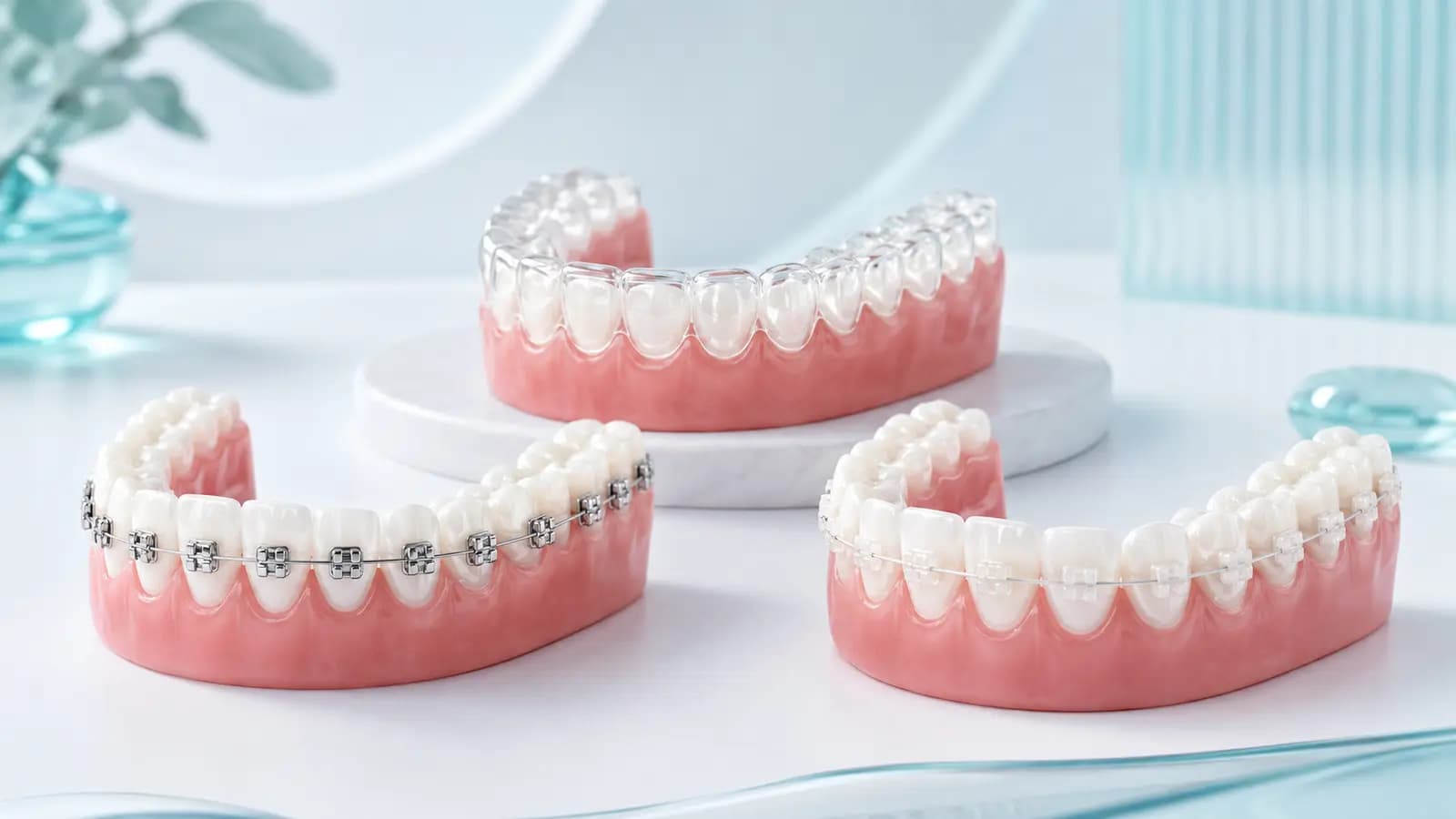
Metal braces use brackets, an archwire, and elastic ties to guide tooth movement. They can treat a wide range of alignment and bite problems and remain one of the most commonly used options.
Ceramic Braces
Ceramic braces work in a similar way to metal braces, but the brackets are designed to blend more closely with the natural tooth colour. Careful cleaning is important because some components may stain.
Self-Ligating Braces
Self-ligating braces use a small built-in clip to hold the archwire rather than conventional elastic ties. They may make adjustments more straightforward in some situations, but suitability and treatment outcomes still depend on the individual case.
Lingual Braces
Lingual braces are fitted to the back surfaces of the teeth, making them far less visible from the front. They are not appropriate for every case and may require a longer adjustment period and specialised clinical expertise.
Clear Aligners
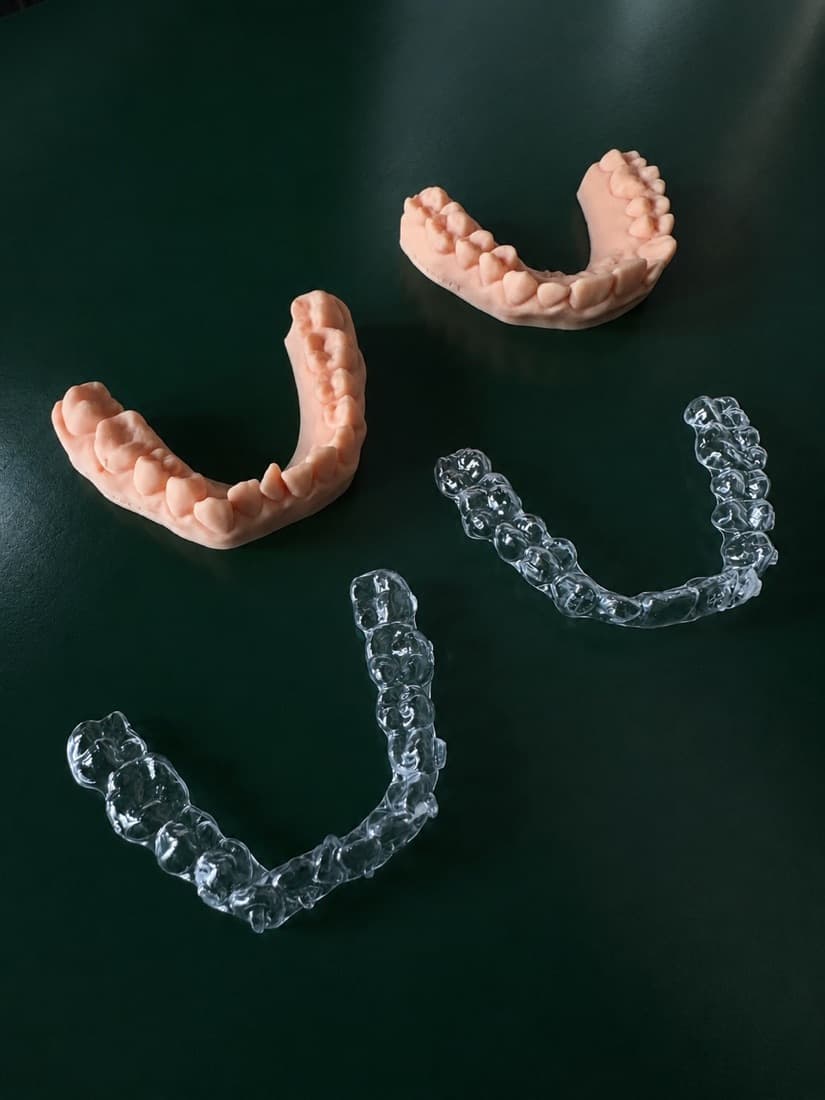
Clear aligners are a sequence of removable, transparent trays made to fit the teeth. They must be worn for the recommended number of hours and changed in stages. Aligners cannot treat every bite problem, so a professional assessment is still essential.
The Dental Braces Fitting Process
1. Consultation and Initial Assessment
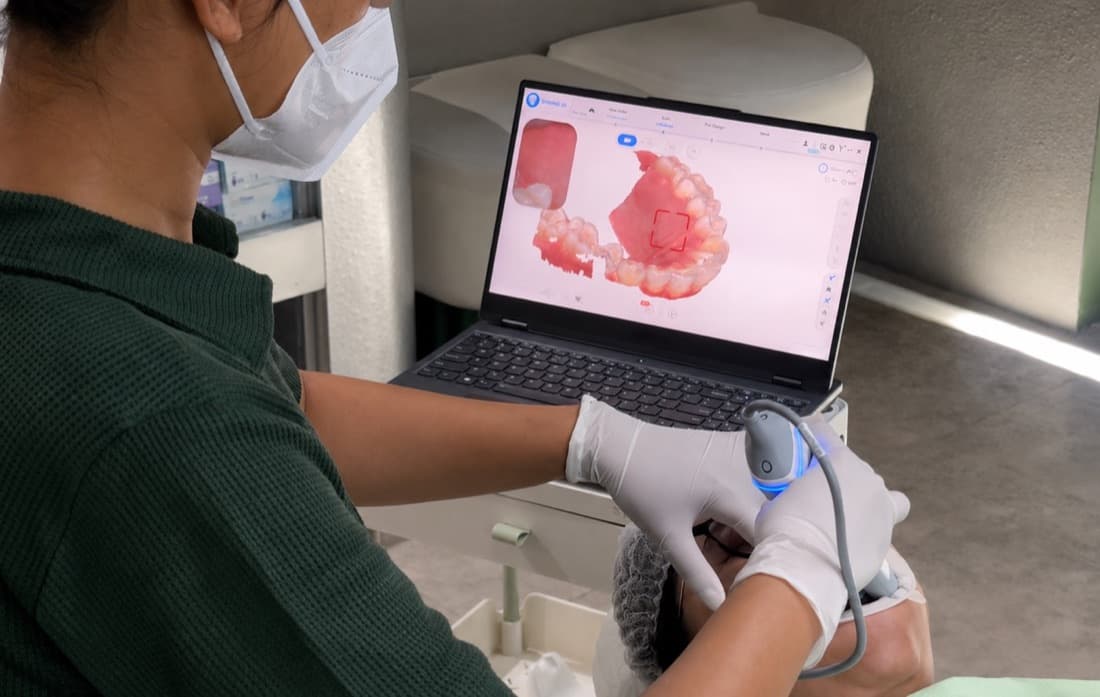
The dentist assesses tooth alignment, gum health, the bite, and habits that could affect treatment. Photographs, digital scans, impressions, or dental X-rays may be needed to support the diagnosis and treatment plan.
2. Preparing the Teeth and Gums
Tooth decay, tartar build-up, or active gum inflammation will usually need to be managed first. If the teeth are severely crowded, extraction may be considered to create space, but this decision is made only after a detailed clinical assessment.
3. Bonding the Brackets and Placing the Wire
The teeth are cleaned and dried before the brackets are attached with a dental adhesive. An archwire is then placed to deliver controlled pressure. Fitting itself is generally not painful, although soreness or sensitivity can occur for a few days afterwards.
4. Regular Reviews and Adjustments
Follow-up visits allow the dentist to monitor movement and adjust the appliance. The schedule varies, but fixed braces are generally reviewed every few weeks. Consistent attendance is important for keeping treatment on track.
5. Brace Removal and Retainers
Once the planned result is reached, the braces are removed. A retainer is then used to hold the teeth in their new positions while the surrounding tissues adapt. Retainers need to be worn as instructed because teeth can shift again.
How to Care for Teeth While Wearing Braces
Brush at least twice a day with a soft-bristled toothbrush and clean carefully around every bracket. Use an interdental brush or another cleaning aid recommended by your dentist, avoid biting very hard or sticky foods, and arrange a review if a bracket comes loose or a wire irritates your mouth. Routine check-ups also help identify plaque, cavities, and gum problems early.
Plan Your Orthodontic Treatment at Floss Dental Studio
The right braces depend on your tooth alignment, jaw position, oral health, and treatment goals. If you are considering braces or another orthodontic treatment in Bali, book an assessment at Floss Dental Studio for a personalised diagnosis and treatment plan.