Teeth Whitening in Canggu: Cost, Safety, and Results
Professional whitening uses a bleaching material to reduce discolouration and brighten natural tooth colour. For people searching for teeth whitening canggu,
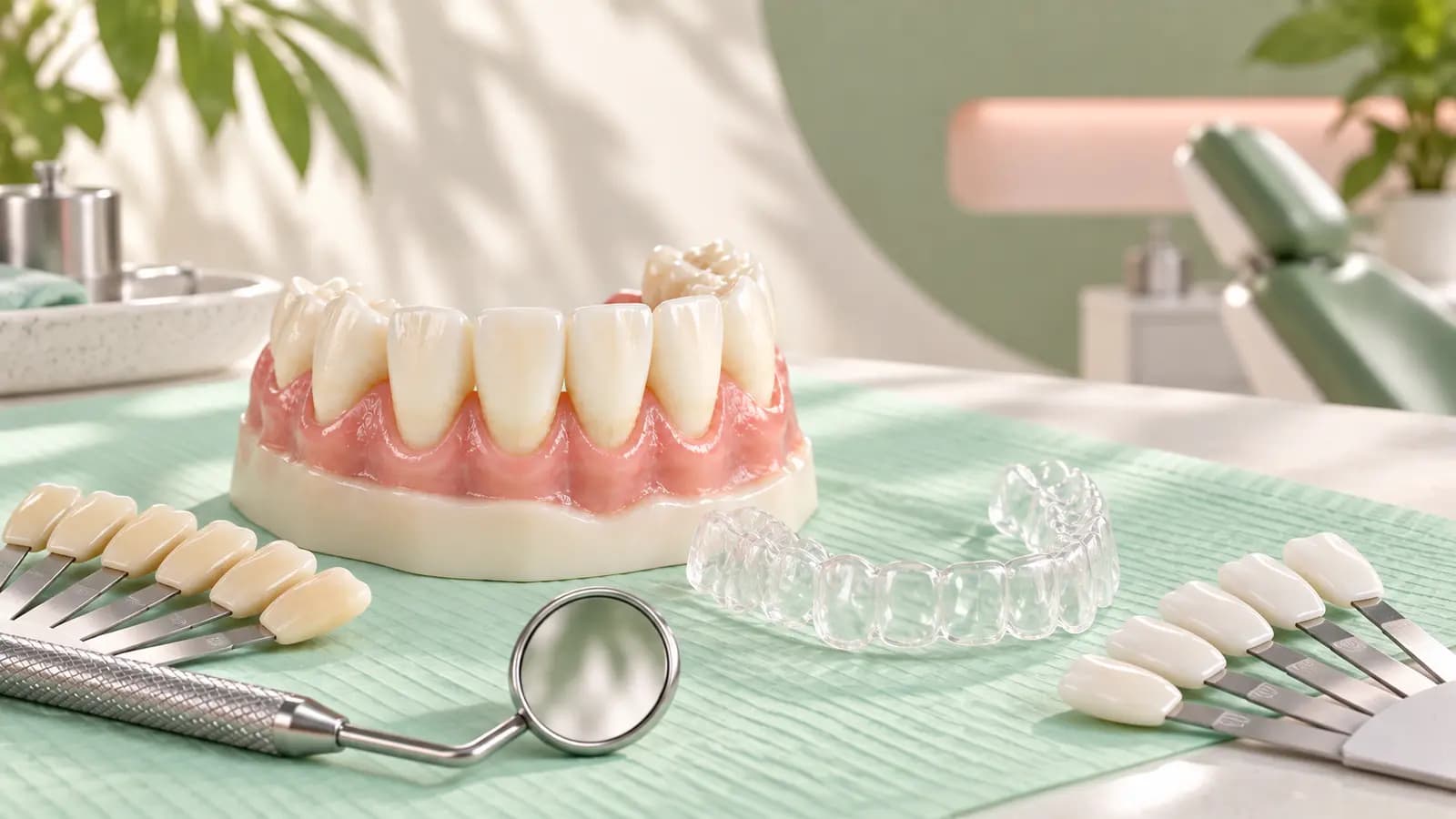
FLOSS Dental Studio offers in-office whitening at IDR 2,000,000 and a premium option at IDR 2,850,000. Both are listed at approximately 60–90 minutes. Results vary with the starting shade, stain type, oral health, and existing restorations.
How Does Dental Whitening Work?
Whitening agents, commonly peroxide-based, break down colour molecules within enamel and dentine so teeth appear lighter. The procedure does not grind away enamel to replace its colour. Before applying gel, the dentist examines the teeth and gums and protects soft tissues so exposure can be controlled.
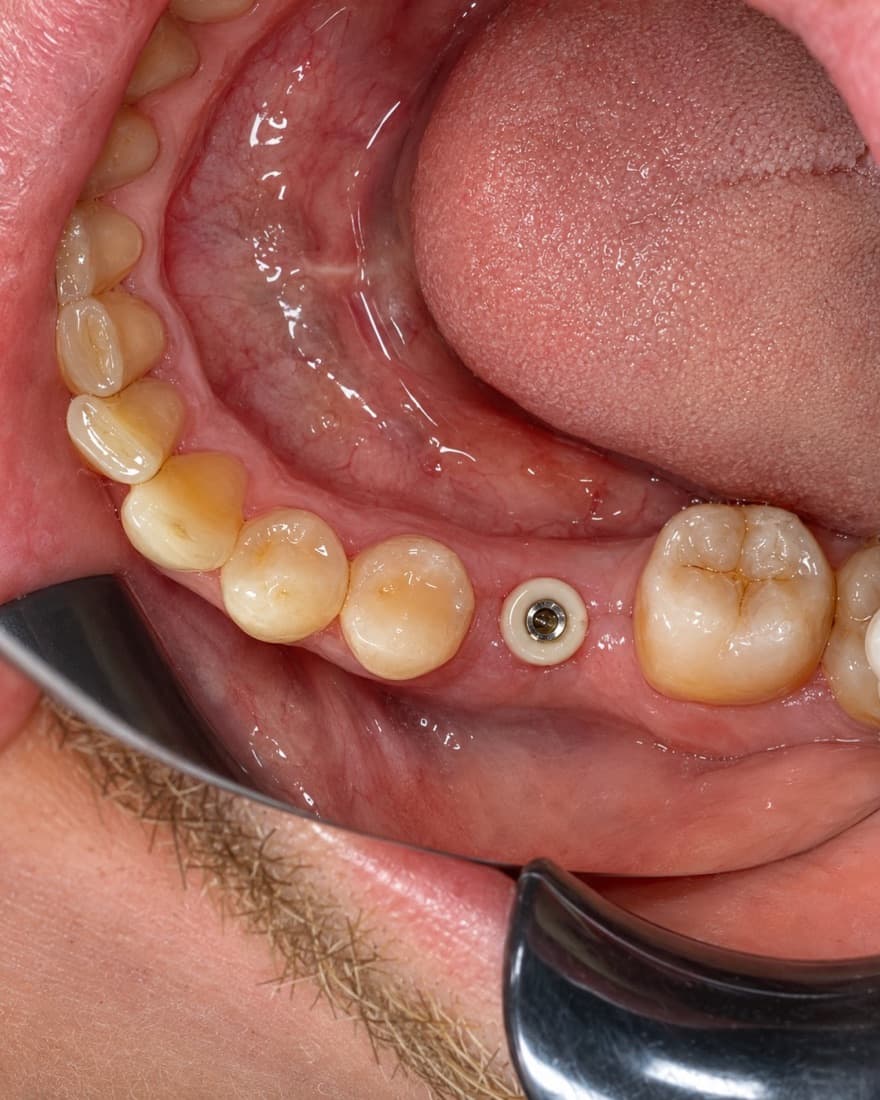
professional teeth whitening canggu changes natural teeth, not fillings, crowns, veneers, bridges, or implant restorations. These materials keep their existing shade, so they may become more noticeable after treatment. If restorations appear in your smile, discuss colour sequencing before whitening.
Different Stains Respond Differently
- Stains from coffee, tea, tobacco, coloured foods, and ageing often become visibly lighter.
- Discolouration caused by trauma, certain medicines, or enamel development may respond less predictably.
- Tartar and heavy surface stains need cleaning; whitening does not replace scaling.
- One dark tooth may require pulp testing and a different whitening approach.
Whitening Options and Prices at FLOSS
These guide prices come from FLOSS Dental Studio’s current service list and are confirmed after an examination.
The options may use different systems or materials. If plaque, tartar, decay, a leaking filling, or gum inflammation is present, cleaning or other care may be recommended first and charged separately. Allow additional time when whitening and scaling are planned together.
Who May Be Suitable for Whitening?
bleaching gigi canggu may suit adults with healthy natural teeth and gums who want a brighter shade. Examination is important because cavities, cracks, severe sensitivity, gum disease, or exposed roots can make treatment uncomfortable or unsuitable until the active problem is managed.
Treatment is commonly postponed during pregnancy or breastfeeding as a precaution. Age, allergies, medicines, sensitivity history, and unusual discolouration also deserve discussion. Whitening may offer limited benefit when the colour change comes from inside a tooth or much of the visible smile consists of restorations.
What Happens During In-Office Whitening?
- The dentist assesses tooth and gum health, starting shade, stain type, restorations, and a realistic target.
- Scaling or another treatment is recommended first if tartar, decay, a leaking restoration, or inflammation is present.
- Lips, cheeks, and gums are protected before whitening gel is placed on the teeth.
- The material works in controlled cycles while the clinical team monitors the gums and sensitivity.
- The gel is removed, the shade is reviewed, and you receive instructions for sensitivity and maintenance.
The immediate shade can be affected by temporary dehydration after treatment, so a more realistic assessment comes after the colour settles. Trying to force an extreme change in one session may increase sensitivity without guaranteeing a better-looking result.
Safety and Possible Side Effects
Dentist-supervised whitening is a common cosmetic procedure, but temporary side effects remain possible. Cold sensitivity and mild gum irritation are the most frequent. Soft-tissue protection, material concentration, application time, and your history help the dentist tailor treatment.
Stop any additional unapproved whitening product if teeth or gums become very painful. Contact the clinic for persistent severe pain, whitening or blistering of gum tissue, or pain limited to one tooth. Unsuitable over-the-counter products, excessive frequency, and use over untreated decay can increase irritation.
How Long Do Results Last?
Whitening is not permanent. A brighter shade may remain for months or years, but coffee, tea, tobacco, pigmented foods, oral hygiene, and natural ageing affect how quickly stains return. The starting shade and enamel characteristics also influence the visible change.
- Follow the clinic’s advice about food and drinks immediately after treatment.
- Brush twice daily and clean between teeth.
- Limit tobacco and frequent strongly coloured drinks.
- Rinse with water after coffee or tea when brushing is not practical.
- Have touch-ups only after professional review rather than whitening too often.
Planning Whitening Near Canggu
FLOSS is at Geo Open Space, Jalan Raya Kedampang No. 7X, Kerobokan, North Kuta, close to the broader Canggu area. Confirm the appointment and mention any event, photoshoot, or flight. Leave enough time for examination and possible cleaning so the schedule does not become rushed.
Bring information about allergies, regular medicines, previous sensitivity, and old shade photographs when relevant. The aim should be a brighter, balanced result that suits your natural teeth and restorations, not simply the whitest possible shade.
Brighten Your Smile With a Safe Target
A good whitening plan starts with healthy teeth, controlled application, and realistic expectations. For supervised dental care, consult a dentist Bali visitors can reach at Floss Dental to choose an option suited to your mouth, sensitivity, and time in Canggu.
FAQ About Teeth Whitening in Canggu
How much does dental bleaching cost?
FLOSS lists in-office whitening at IDR 2,000,000 and the premium option at IDR 2,850,000, each taking about 60–90 minutes. Cleaning or other preparatory treatment may cost separately.
How long do whitening results last?
Results can remain for months or years but are not permanent. Coffee, tea, tobacco, coloured foods, hygiene, starting shade, and maintenance affect how quickly the colour changes.
Are bleaching and whitening different?
The words are often used interchangeably. Broadly, whitening can describe stain reduction toward a natural shade, while bleaching usually refers to peroxide-based materials that lighten the tooth. Ask which system will be used.
What are the side effects?
Temporary sensitivity and mild gum irritation are most common. Proper examination, tissue protection, suitable materials, and controlled timing help reduce risk. Seek advice if strong pain or irritation does not improve.