Is Dental Work in Bali Safe? What Australian Travellers Should Check
A practical safety checklist for Australians considering dental work in Bali, covering dentists, diagnosis, hygiene, costs, records, and aftercare.
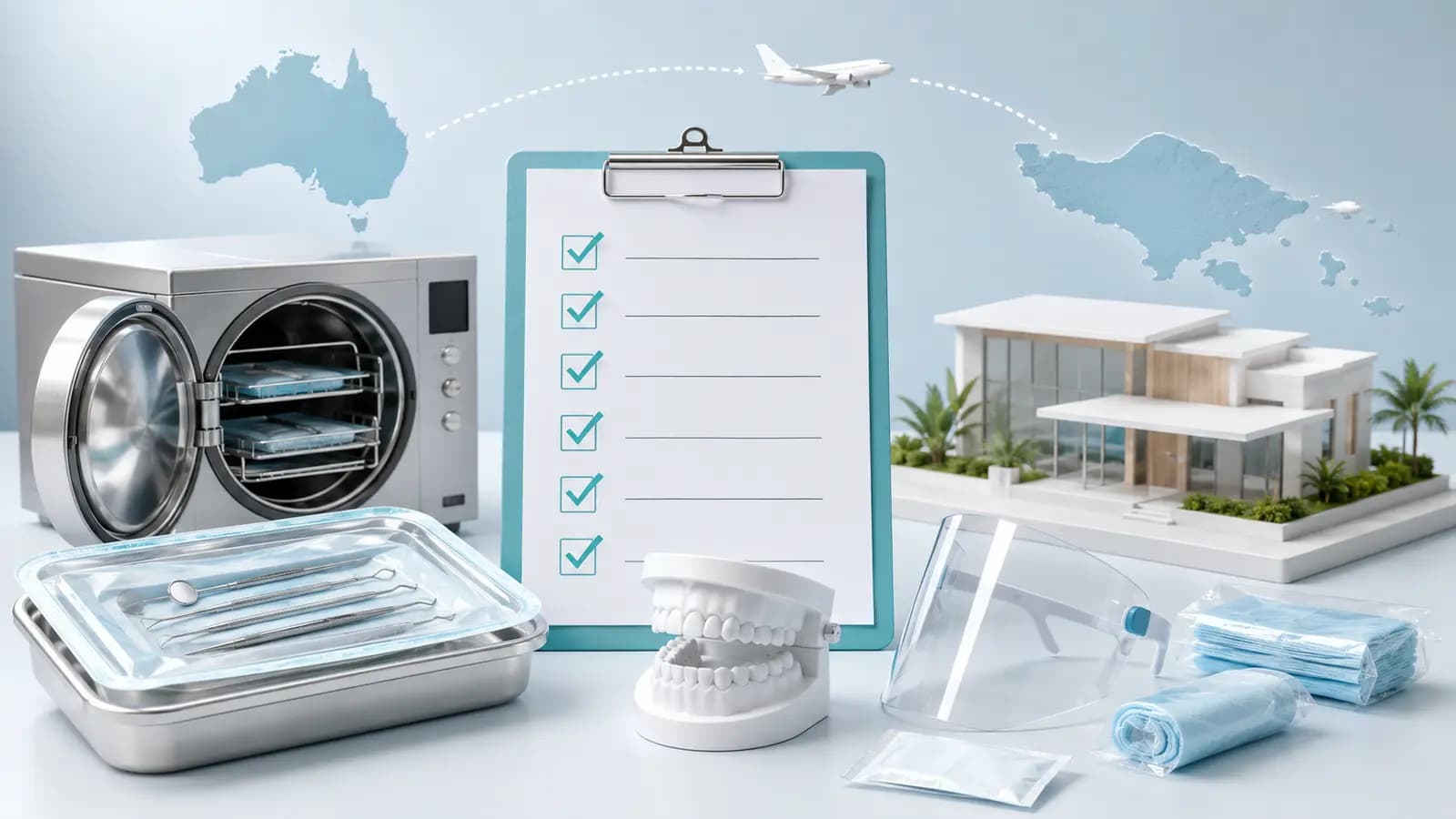
Dental work in Bali can be safe for Australian travellers, but safety cannot be judged by location, price, or reviews alone. Look for evidence: who will treat you, how the diagnosis was reached, which options were considered, how infection control is managed, and who will help if a problem appears after you return home.
No dental procedure is risk-free. A responsible clinic should explain limitations, alternatives, possible complications, and recovery time before asking for consent.
Safe Does Not Mean Every Clinic or Patient Is the Same
Facilities, clinical experience, and aftercare systems vary between clinics. Risk also depends on the patient and procedure. A cleaning for a healthy patient is different from multiple veneers, root canal treatment for an active infection, or implant surgery involving the jawbone.
The useful question is not simply “Is dental work in Bali safe?” but “Is this dentist, diagnosis, plan, and follow-up appropriate for my case?” Our broader guide to dental work safety in Bali explains the general risks and decision points.
Start With the Dentist Who Will Actually Treat You
Ask for the dentist’s full name, qualifications, practice licence, and experience relevant to your procedure. Do not stop at the clinic profile or messages from an administrator. For complex care, ask whether different clinicians will handle surgery, gum treatment, root canal treatment, and restoration.
Experience should be procedure-specific. A large veneer portfolio does not demonstrate experience in bone grafting or bite rehabilitation. You should know who is performing each stage before giving consent.
Diagnosis Must Come Before Flights and Treatment
Phone photographs can support an initial conversation, but they cannot fully show roots, bone, hidden infection, gum health, or bite relationships. Any remote quote and itinerary should be treated as preliminary.
The final plan should follow an in-person examination and suitable imaging. If the findings change, the dentist should explain the revised diagnosis, options, cost, and timing before continuing. Use our guide to planning a Bali dental holiday from Australia before committing to inflexible bookings.
A Practical Evidence Checklist
| What to check | Evidence or explanation to request |
|---|---|
| Dentist | Full name, practice licence, role at each stage, and relevant experience |
| Diagnosis | In-person examination, imaging when indicated, and assessment of gums and bite |
| Treatment plan | Teeth involved, alternatives, risks, stages, and whether restorations are temporary or final |
| Infection control | Instrument sterilisation, single-use items, clean treatment areas, and sharps management |
| Materials and implants | Material or brand, reason for selection, and implant or component identification where relevant |
| Aftercare | Review schedule, emergency contact, remedial policy, and handover to an Australian dentist |
Answers should be specific to your case. Phrases such as “international standard” or “premium material” are not very useful unless the clinic explains what is being used and why.
A Written Plan Should Contain More Than a Price
A useful treatment plan records the diagnosis, teeth involved, treatment sequence, conservative alternatives, materials, appointments, risks, and total estimate. Ask what is excluded and what happens if examination reveals infection, a fracture, or different bone conditions.
Do not let a discount or payment deadline rush an invasive decision. Take time to read the consent information and consider a second opinion when the plan involves extensive work or preparation of otherwise healthy teeth.
A Safe Schedule Follows Recovery, Not the Holiday Calendar
Short chair time does not mean you are ready to fly. Crowns and veneers require laboratory work and adjustment; root canal treatment may need several visits; extractions and implants need wound monitoring.
Place the main procedure early in the trip and leave room for review. Our guide to how long to stay in Bali for dental treatment separates clinical, laboratory, recovery, and buffer days.
Plan for Complications Before They Happen
Ask for an out-of-hours contact, the location of urgent care, assessment costs, and who is responsible for remedial treatment. Clarify whether a problem can be managed in Australia or would require another trip to Bali.
Standard travel insurance often excludes planned treatment and related complications, while Medicare does not cover care overseas. Read the Product Disclosure Statement, disclose your plans, and obtain written confirmation about aftercare, complications, and medical evacuation.
Red Flags That Should Make You Pause
- Extensive treatment is proposed from photographs without an examination.
- The treating dentist or their role is not identified.
- Alternatives, risks, or written consent are missing.
- The clinic promises a perfect result or no complications.
- There is no review time, emergency contact, or plan for care at home.
If you feel pressured to pay or begin immediately, pause and request clarification. Patient reviews provide context, but they do not replace diagnosis or clinical evidence.
Records to Take Home
Request the diagnosis, imaging, final treatment plan, procedure summary, prescriptions, itemised invoice, and aftercare instructions. For crowns, veneers, or implants, retain material and component details. Add these records to your dental holiday preparation checklist so an Australian dentist can continue care with clear information.
Review the Plan Before Booking Your Trip
If you want a transparent assessment before buying flights, contact Floss Dental. The team can help begin a consultation, explain suitable dental care options, and arrange an examination with a dentist Bali. The final plan will still depend on an in-person assessment.
FAQ About Dental Work Safety in Bali for Australian Travellers
Is it safe to get dental work in Bali?
It can be safe when the dentist, diagnosis, facility, infection control, treatment plan, and aftercare suit your needs. Do not judge safety only by price, appearance, or reviews.
Is it cheaper to get dental work done in Bali?
Some procedures may cost less than in Australia. Include flights, accommodation, reviews, possible return travel, and the cost of managing complications in the comparison.
How much does a dental clinic cost in Bali?
Cost depends on the diagnosis, number of teeth, materials, complexity, and appointment count. Request an itemised plan after examination rather than choosing a clinic from a package price.