Dental Veneers in Seminyak: Composite vs Porcelain, Costs, and Results
Compare composite and porcelain veneers in Seminyak, including costs, process, suitability, risks, and care tips.
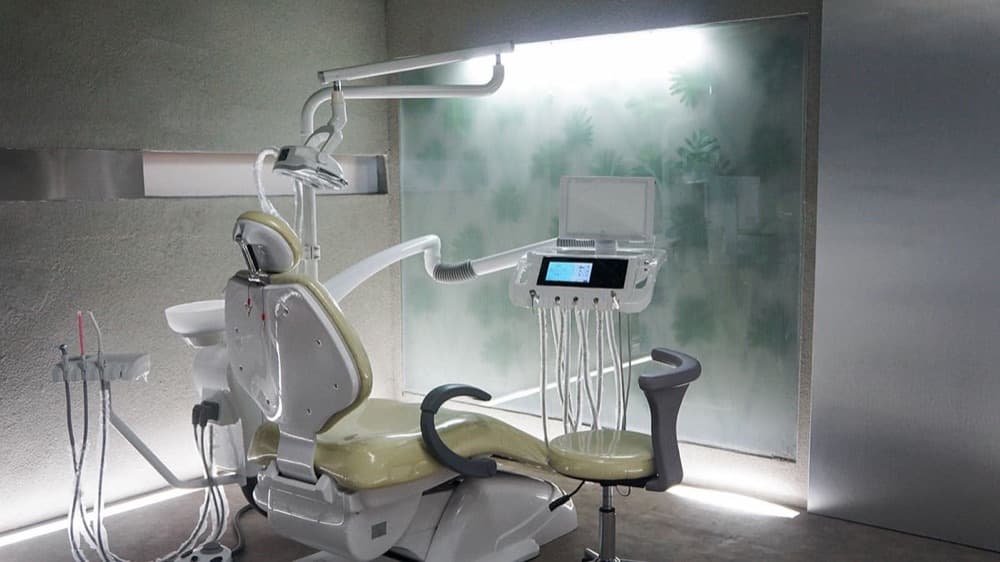
If you are considering veneers Seminyak, FLOSS Dental Studio currently lists direct composite veneers at IDR 1,150,000–1,450,000 per tooth, usually completed in about 45–90 minutes. Indirect ceramic veneers are IDR 4,500,000 per tooth and generally require two to three visits. FLOSS is located in Kerobokan, close to Seminyak. Your final plan depends on the number of teeth, enamel condition, gum health, bite, and the details of your desired smile.
Veneers can improve colour, shape, proportions, small chips, narrow gaps, and minor irregularities in front teeth. They are not an automatic solution for every cosmetic concern. Active decay, gum disease, uncontrolled grinding, or significant crowding may need treatment first or may be better managed with another option.
Veneer and Smile-Planning Costs at FLOSS
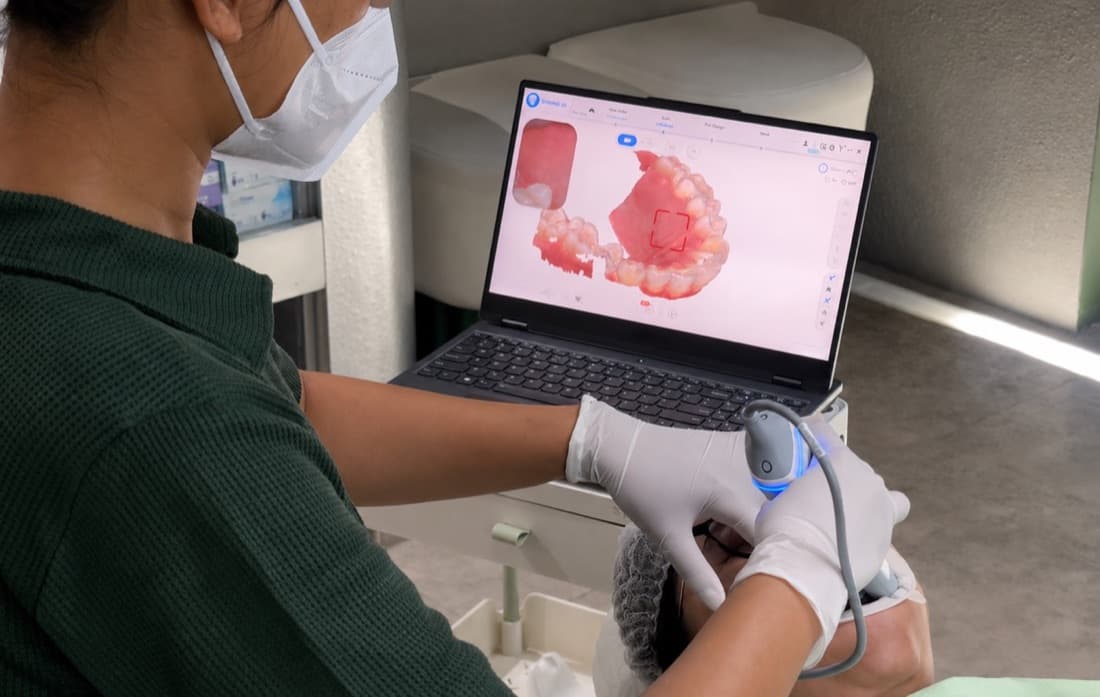
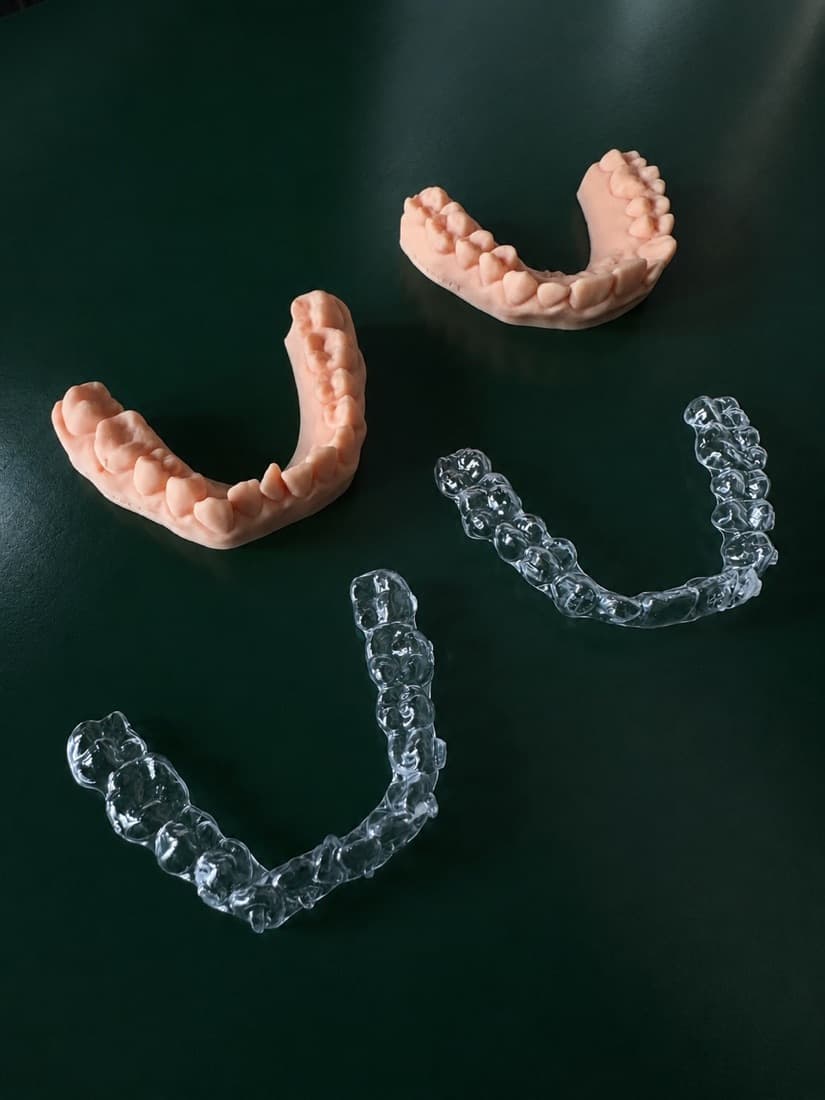
These fees and timeframes are based on the clinic’s current service guide. Digital planning, a mock-up, or a printed model may be useful for some cases but is not required for every patient.
| Service | Estimated fee | Time |
|---|---|---|
| Direct veneer | IDR 1,150,000–1,450,000 per tooth | 45–90 minutes |
| Indirect ceramic veneer | IDR 4,500,000 per tooth | 2–3 visits |
| Digital smile design | IDR 650,000 for 4 teeth + IDR 150,000 per additional tooth | 20–30 minutes |
| Mock-up | IDR 120,000 per tooth | 15–30 minutes |
| Digital impression | IDR 600,000 | 15–20 minutes |
| 3D printed model | IDR 250,000 per arch | 1–3 days |
What Is a Dental Veneer?
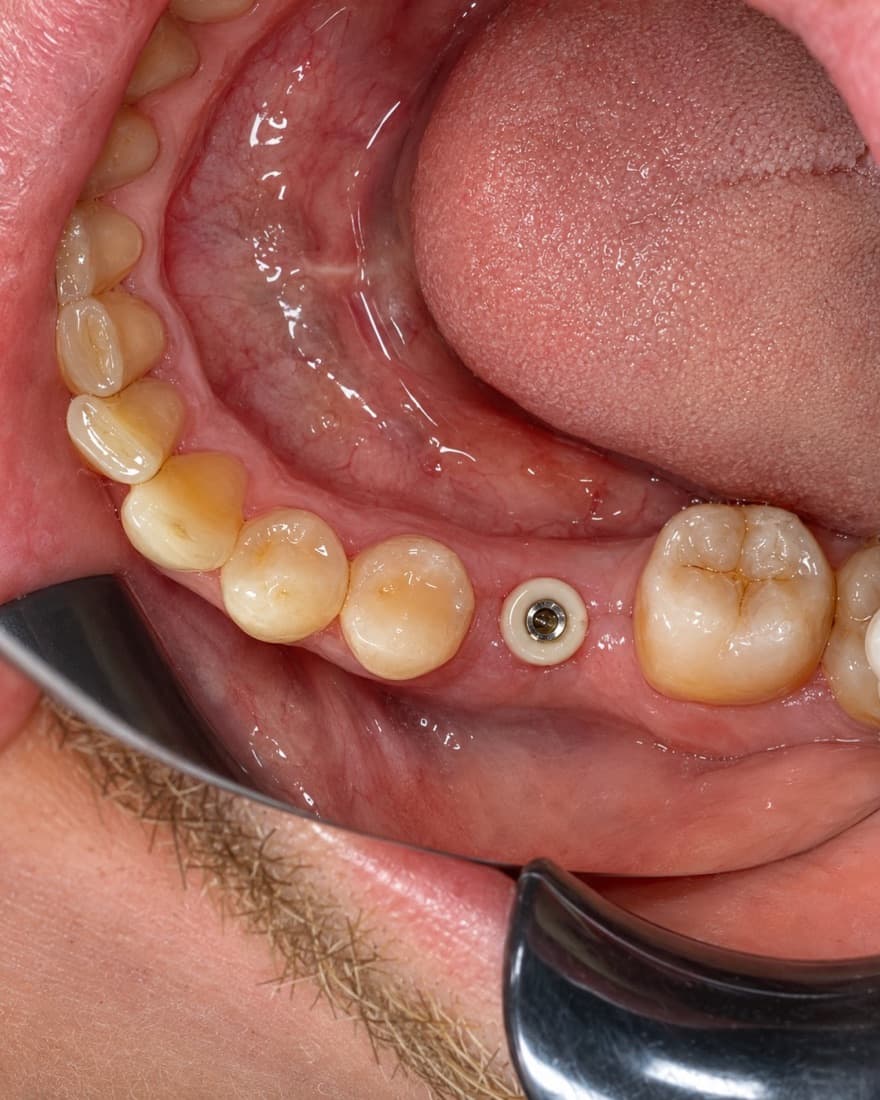
A veneer is a thin, tooth-coloured layer placed over the front surface of a tooth. Unlike a crown, which covers much more of the tooth, a veneer mainly changes what is visible from the front. The tooth underneath still needs to be healthy and strong enough to support the restoration.
Search results for dental veneers Seminyak often group direct veneers, indirect veneers, bonding, and crowns together. These treatments differ in how much tooth tissue is involved, how they are made, how easily they can be repaired, and how many appointments they require. A clinical examination helps avoid an unnecessarily aggressive choice for a relatively small concern.
Composite or Porcelain: Which Is More Suitable?
Direct composite veneers
Composite resin is shaped directly on the tooth. It is generally more affordable, can often be completed in a shorter visit, and is relatively straightforward to repair after minor damage. The trade-off is that composite is more likely than ceramic to absorb stains, lose gloss, wear, or chip, so periodic polishing or repair may be needed.
Indirect ceramic or porcelain veneers
Indirect veneers are custom-made outside the mouth from an impression or digital scan. They tend to resist stains better and can reproduce natural colour and translucency. People searching for porcelain veneers Seminyak are usually referring to this option. Ceramic treatment costs more, takes several visits, and may require a small amount of enamel reduction so the result fits the tooth and bite properly.
Who May Be a Good Candidate?
Veneers may suit teeth with discolouration that does not respond to whitening, small chips, uneven proportions, narrow gaps, or mild irregularity. A suitable candidate also needs healthy gums, good daily hygiene, and realistic expectations about colour, shape, maintenance, and longevity.
The Veneer Treatment Process
- Consultation and examination. The dentist assesses the teeth, gums, bite, colour, and your cosmetic goals.
- Smile planning. Photographs, a digital scan, smile design, or a mock-up may be used to preview proportions and discuss expectations.
- Material and shade selection. Composite or ceramic is chosen according to tooth condition, the desired result, available time, and budget.
- Tooth preparation. Direct veneers are shaped in the clinic; indirect veneers may involve limited preparation followed by an impression or scan.
- Placement and adjustment. Shape, shade, contact points, comfort, and bite are checked before the result is finalised.
- Review. Gum response, cleaning access, comfort, and bite are reassessed after placement.
Do Veneers Damage Natural Teeth?
Well-planned veneers are not intended to damage teeth, but the procedure should not be described as consequence-free. Some indirect cases require enamel removal, and enamel does not grow back. The treatment can therefore be irreversible. Other risks include sensitivity, marginal staining, chipping, debonding, and decay in the supporting tooth if plaque is not controlled.
How to Care for Veneers
- Brush twice daily with a soft toothbrush and a non-abrasive toothpaste.
- Clean between the teeth every day so plaque does not collect at veneer margins.
- Avoid biting ice, bones, nails, packaging, or other hard objects with front teeth.
- Limit smoking and frequent strongly coloured drinks, especially with composite veneers.
- Wear a night guard if the dentist recommends one for grinding.
- Attend reviews so the dentist can check the gums, margins, and bite.
Planning Veneers During a Stay in Seminyak
Direct veneers may be completed more quickly, while indirect veneers need two to three appointments and laboratory time between visits. Avoid scheduling treatment immediately before your flight home. Leave time to test your bite, assess comfort, and make an adjustment if needed.
Choose Veneers for Your Teeth, Not a Trend
A natural result starts with diagnosis, balanced proportions, and a material that makes sense for your teeth. To discuss dental care, consult a dentist Bali visitors can communicate with, or plan veneers with Floss Dental, share your smile goals, travel schedule, and previous dental history from the beginning.
FAQ About Dental Veneers
How much does one dental veneer cost?
At FLOSS, direct veneers are estimated at IDR 1,150,000–1,450,000 per tooth, while indirect ceramic veneers are IDR 4,500,000 per tooth. The total depends on the number of teeth and any planning services genuinely needed. See this dental veneer cost guide for more context.
What exactly is a dental veneer?
A veneer is a thin tooth-coloured layer placed on the front of a tooth to improve colour, shape, edges, small gaps, or minor irregularity. It differs from a crown, which covers a larger part of the tooth.
How long do veneers last?
Longevity varies with the material, bite, oral hygiene, diet, and grinding. Ceramic generally resists stains and wear better than composite, while composite is easier to repair. No veneer can be guaranteed to last for life.