Dental Implants in Seminyak: Procedure, Cost, and Recovery
Considering dental implants in Seminyak? Learn the procedure, costs from IDR 18 million, bone graft needs, and recovery timeline.
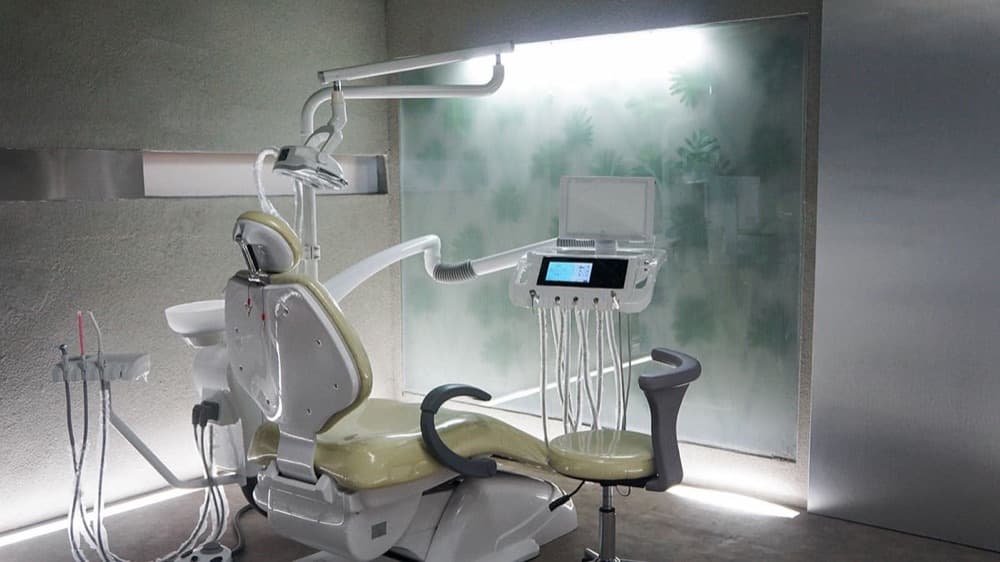
For patients researching dental implants Seminyak, FLOSS Dental Studio currently offers a complete implant package from IDR 18,000,000. It includes a titanium implant and zirconia crown, with the full process usually taking about three to four months. FLOSS is in Kerobokan, within easy reach of Seminyak.
An implant is not a one-visit treatment. It involves assessment, implant placement, healing while the implant integrates with bone, and fitting the final crown. If bone volume is insufficient, grafting may be recommended at an estimated IDR 3,500,000–5,000,000. The final fee is confirmed only after the teeth, gums, bone, and imaging needs have been evaluated.
Dental Implant Costs at FLOSS
The figures below cover services commonly relevant to implant planning. The number of implants, bone condition, imaging, extraction, and any preliminary treatment can change the final plan.
| Service | Estimated fee | Time |
|---|---|---|
| Titanium implant + zirconia crown | IDR 18,000,000 | 3–4 months |
| Additional surgical-guide hole | IDR 750,000 | Planning stage |
| Bone grafting | IDR 3,500,000–5,000,000 | 45–90 minutes |
What Is a Dental Implant?
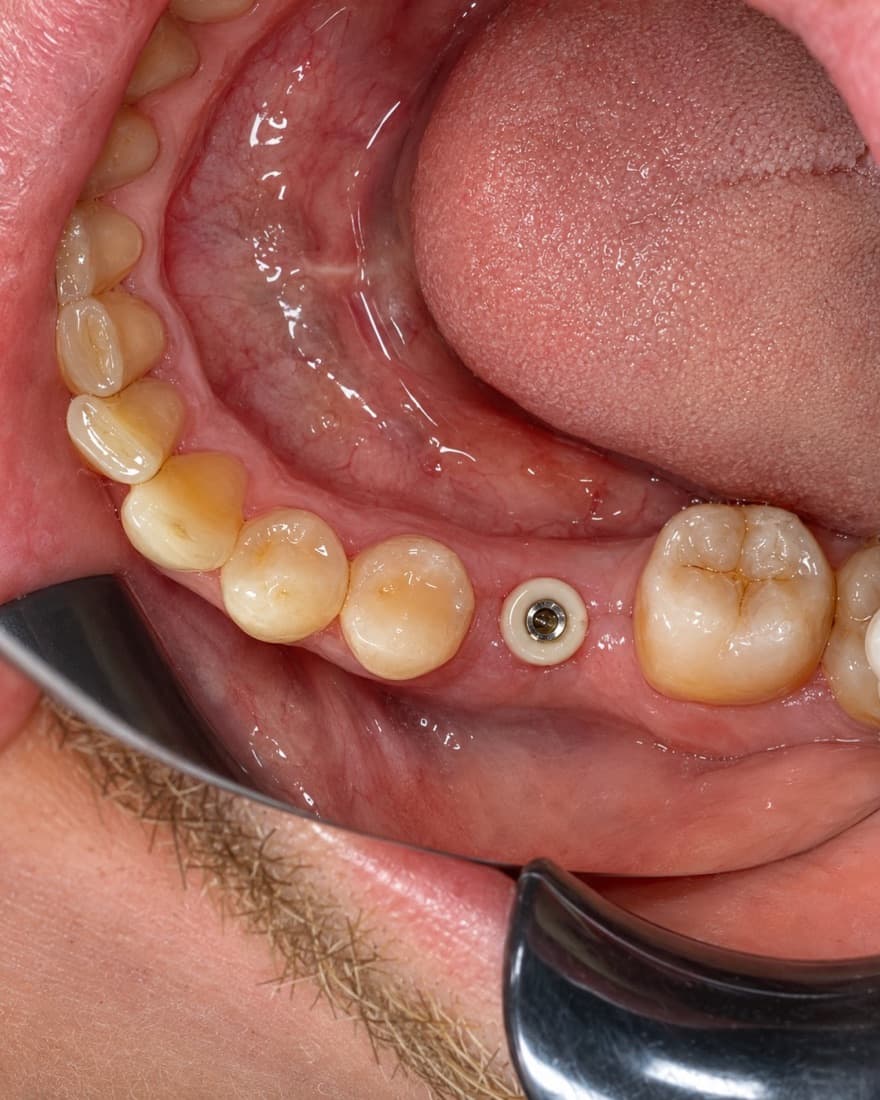
A dental implant is a screw-shaped replacement for a tooth root that is placed in the jawbone. Once it is stable and integrated, a connector called an abutment and a crown are fitted above it. Unlike a conventional bridge, a single implant can stand independently without relying on neighbouring teeth for support.
Someone searching for a tooth implant Seminyak may be replacing one tooth, several teeth, or seeking more stable support for a prosthesis. An implant is not automatically the best option in every case. A bridge or removable denture may be more appropriate depending on oral health, function, treatment time, and budget.
Who May Be Suitable for an Implant?
Good candidates generally have controlled oral health, sufficient jawbone, and the ability to maintain consistent hygiene. Age alone is not the main deciding factor. Medical conditions, bone quality, smoking, past gum disease, and the ability to attend follow-up visits matter more.
Tell an implant dentist Seminyak visitors can consult about diabetes, bleeding disorders, regular medicines, previous treatment to the head or neck, and smoking. These details affect healing and risk assessment. Active tooth or gum infection usually needs to be treated before implant surgery.
Assessment Before Implant Placement
Stages of Dental Implant Treatment
- Consultation and health history. The dentist discusses your concerns, examines the mouth, and clarifies your treatment goals.
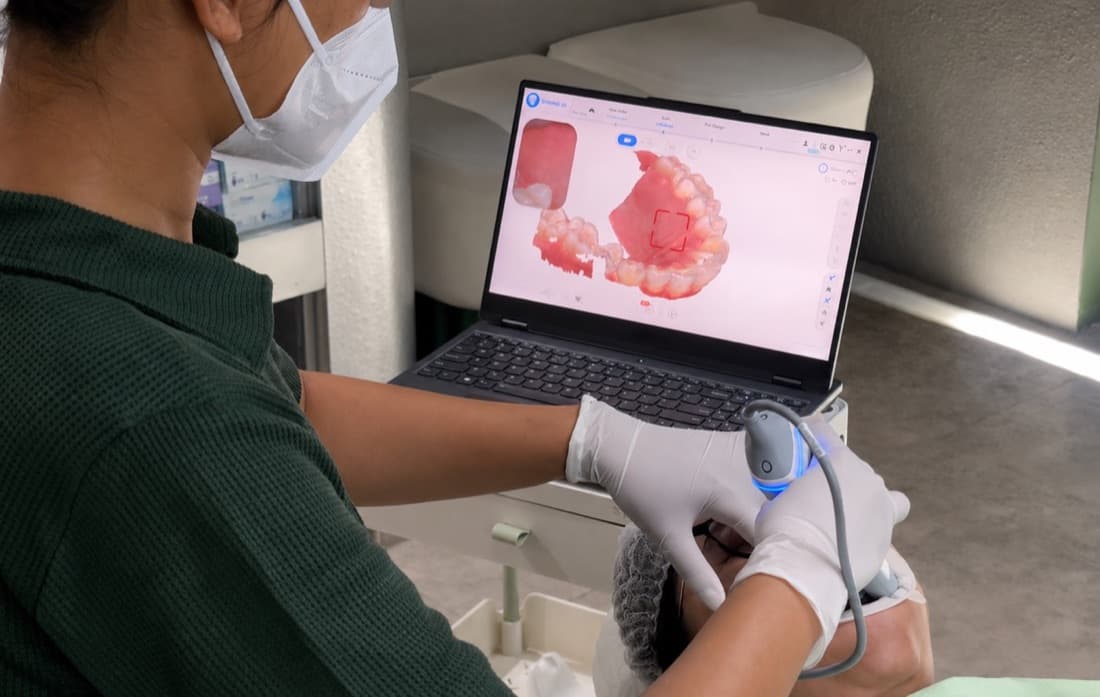
- Imaging and planning. Bone and implant space are assessed, followed by a discussion of options, costs, risks, and timing.
- Preliminary care when needed. Infection control, extraction, or bone grafting may occur before or alongside implant placement, depending on the case.
- Implant placement. Local anaesthetic is used before the implant is positioned in the jawbone and the site is closed.
- Integration period. The implant remains stable while osseointegration takes place; this is usually the longest part of the three-to-four-month timeline.
- Abutment and crown. Once stability is satisfactory, the connector and zirconia crown are made and adjusted to the bite.
- Review. The dentist checks the tissues around the implant, comfort when biting, and cleaning access.
Is Dental Implant Surgery Painful?
Local anaesthetic is used during placement, so pain is usually controlled during the procedure. As the anaesthetic wears off, swelling, mild bruising, tenderness, or light bleeding can occur. The intensity and duration vary, particularly if extraction or bone grafting is performed at the same time.
Follow the dentist’s medicine instructions and do not add antibiotics or pain relief without advice. Choose soft food at first, avoid chewing on the treated side, do not smoke, and clean the mouth as instructed. Strenuous activity may need to be limited temporarily.
Recovery and Warning Signs
Soft tissue often settles before the implant has integrated with bone. Feeling comfortable after a few days does not mean the implant is ready for its permanent crown. Keep every review appointment even when symptoms have improved.
Contact the clinic if bleeding cannot be controlled, pain or swelling worsens after several days, fever develops, there is foul-smelling discharge, numbness persists, or the implant feels mobile. Early assessment gives the dentist a better opportunity to manage complications.
Risks to Understand
As with other surgical procedures, risks include infection, delayed healing, injury to nearby tissues, sinus complications in certain upper-jaw locations, or failure to integrate with bone. In the longer term, inflammation can develop around an implant when plaque is not controlled. Personal risk is influenced by health, bone quality, hygiene, and smoking.
How Long Can an Implant Last?
Implants are designed as a long-term solution, but no result is guaranteed for life. The crown can wear or eventually need replacement, while the surrounding tissues remain vulnerable to inflammation. Twice-daily brushing, interdental cleaning, regular reviews, and avoiding smoking support longevity. A night guard may be advised if you grind your teeth.
Plan Around Healing, Not Speed
A sound implant plan begins with diagnosis and a realistic timeline. Compare benefits, risks, recovery, and the complete cost before deciding. Explore suitable dental care, arrange an examination with a dentist Bali visitors can consult, or contact Floss Dental to discuss an implant plan based on your mouth and travel schedule.
FAQ About Dental Implants
How much does a dental implant cost?
FLOSS currently lists a complete titanium implant and zirconia crown package at IDR 18,000,000. Bone grafting, imaging, extraction, or a surgical guide can add to the fee when required. The clinic confirms the estimate after examination.
What are the risks of dental implants?
Risks include infection, bleeding, injury to nearby nerves or tissues, sinus problems in certain locations, and failure to integrate with bone. Planning, disease control, good hygiene, and follow-up reduce but do not remove these risks.
How long do dental implants last?
Longevity differs by patient. Implants can function for many years with good hygiene and regular care, although the crown or another component may eventually need treatment or replacement. Smoking, gum disease, grinding, and uncontrolled health conditions can shorten the result.