Dental Implants in Kuta, Bali: Procedure, Cost, and Recovery
A dental implant replaces a missing tooth root with a component placed in the jawbone, then supports a crown. For patients researching dental implants kuta
Bali, FLOSS Dental Studio lists a titanium implant with a zirconia crown at IDR 18,000,000, with the overall sequence estimated at about 3–4 months. Extraction, bone grafting, or longer healing can add time and cost.
Implant treatment is rarely a single-visit procedure. Its success depends on bone volume, gum health, oral hygiene, bite forces, medical history, smoking, and follow-up. Travellers should understand the full series of appointments and arrange ongoing care at home before starting.
What Is a Dental Implant?
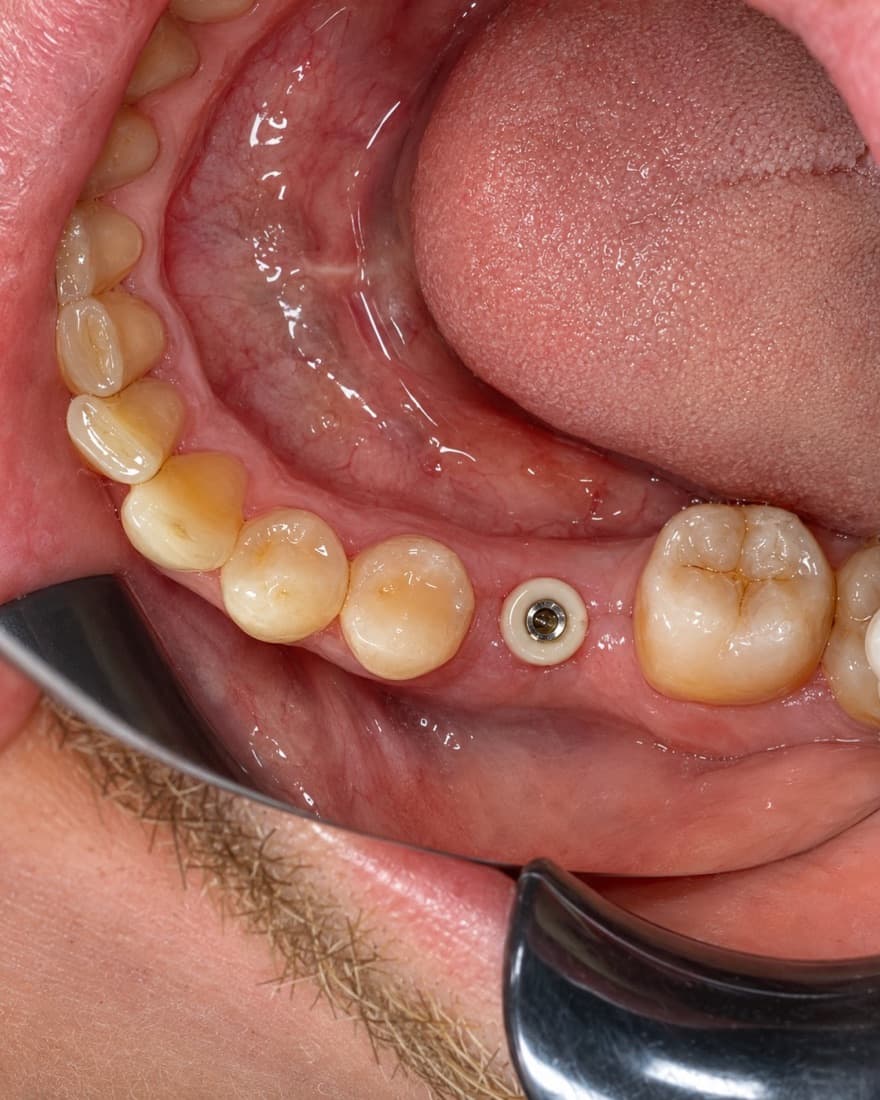
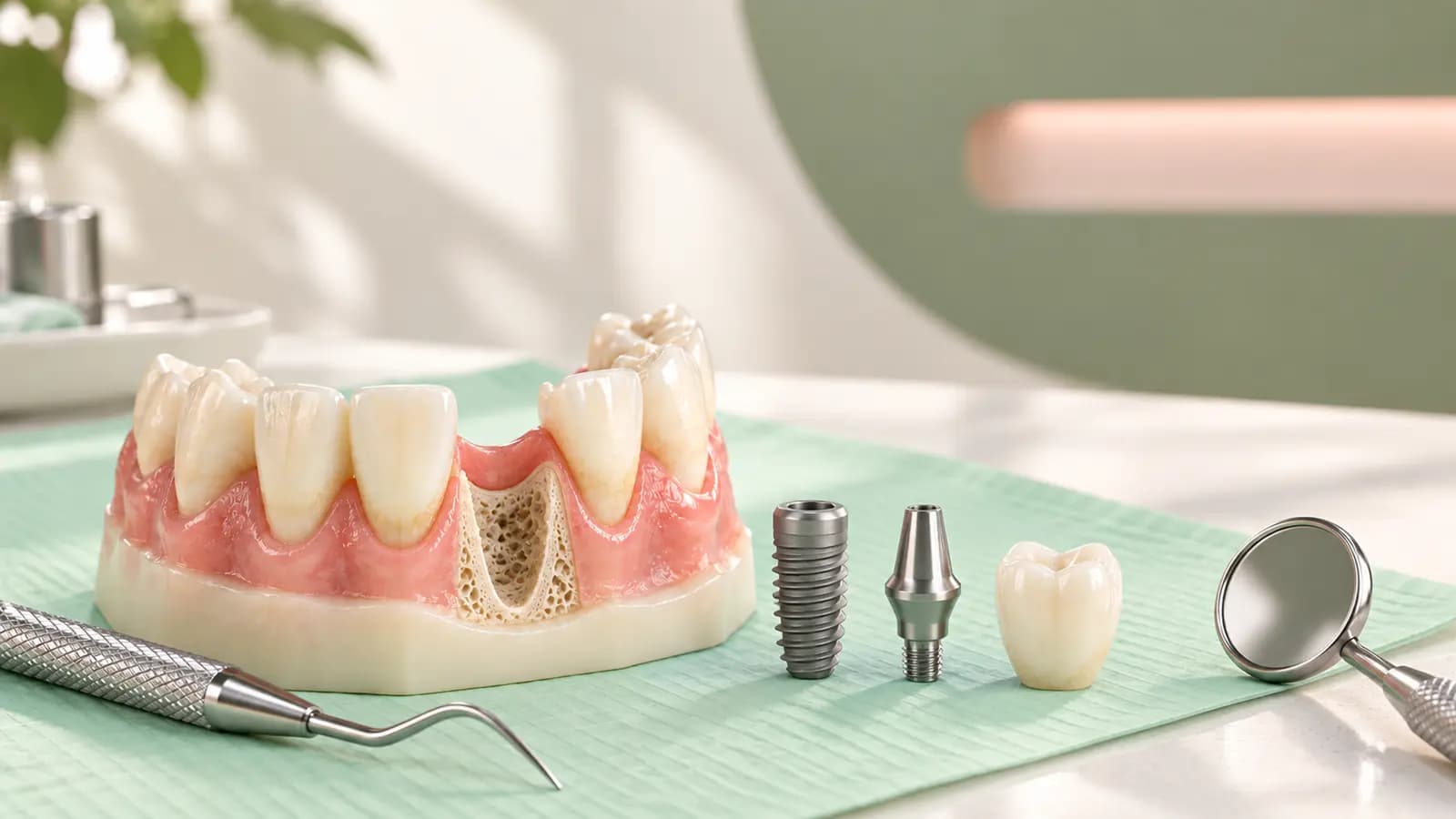
The implant is usually a titanium screw positioned in the jaw. During osseointegration, bone heals around its surface. Once stable, it supports an abutment and custom crown. This differs from an ordinary crown because an artificial root supports the restoration below the gum.
Implants can replace one tooth, support a bridge, or help stabilise a denture. The goal is not only to fill a visible space but to restore chewing function with a design compatible with neighbouring teeth, gum tissue, available bone, and the bite.
Who May Be Suitable?
A candidate needs healthy oral tissues, adequate bone or a way to rebuild it, and health that supports healing. Uncontrolled diabetes, active gum disease, smoking, certain medicines, and previous bone-related therapy can alter risk and must be discussed.
When bone is insufficient, grafting may be considered, but it is not automatic. If a damaged tooth remains, the dentist first checks whether it can be saved. An implant is not always preferable to a bridge or denture; the decision should balance health, time, cost, and effects on nearby teeth.
Implant Cost Guide at FLOSS
These figures cover the main implant service and relevant possible additions. The exact plan is confirmed after examination and imaging.
Other costs may apply for extraction, gum treatment, temporary restorations, additional imaging, or supporting procedures. Request an itemised quotation that identifies the implant and crown components, possible grafting, reviews, and what happens if the treatment sequence changes.
The Implant Process Step by Step
- Consultation and examination: the dentist reviews the missing tooth, gums, bite, health history, and treatment goals.
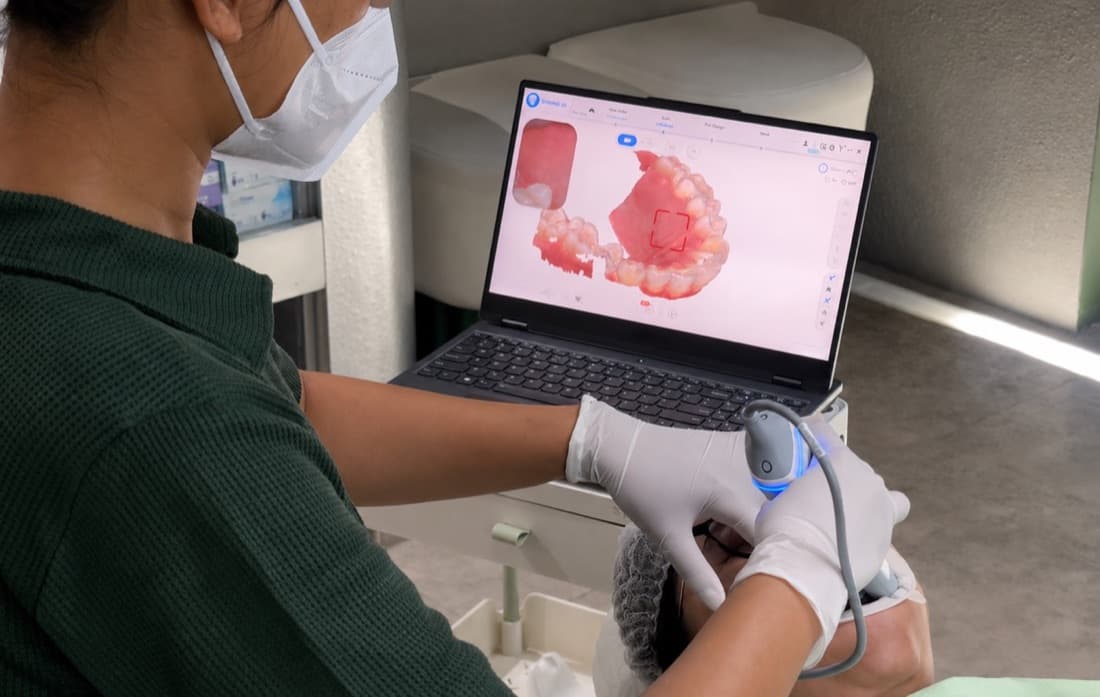
- Imaging and planning: X-rays or scans assess bone volume, nearby nerves, the sinus, and space for the future crown.
- Preparatory care: infection, gum disease, extraction, or bone grafting is managed in a safe sequence.
- Implant placement: under local anaesthesia, the implant is positioned in the planned site within the jawbone.
- Healing: bone is allowed to integrate with the implant; a temporary tooth is provided only when conditions permit.
- Abutment and crown: after adequate stability, the final restoration is designed and adjusted for shade, shape, contacts, and bite.
- Reviews: the dentist checks gum healing, cleaning access, bite pressure, and restoration stability.
Recovery and Warning Signs
Pain, swelling, bruising, and light bleeding can occur after surgery and should gradually improve. Early soft-tissue comfort is different from osseointegration: you may feel better within days while the bone still needs weeks or months to heal around the implant.
Follow instructions for medicines, food, cleaning, and physical activity. Eat softer foods temporarily, avoid disturbing the wound, and do not smoke because it can interfere with healing. Contact the clinic for worsening pain, fever, pus, bleeding that will not stop, persistent numbness, or movement of the implant.
Risks to Understand Before Treatment
Possible complications include infection, injury to nearby tissue, nerve disturbance, upper-jaw sinus issues, failure to integrate, or loose components. These risks explain why assessment, careful planning, sterile technique, and reviews matter.
No clinic can guarantee an implant for life. The implant and its crown can also have different service lives; a crown may wear or need replacement while the implant remains stable. Grinding, poor hygiene, smoking, uncontrolled gum disease, and excessive bite pressure can reduce longevity.
Implant, Bridge, or Removable Denture?
An implant avoids preparing neighbouring teeth but involves surgery and healing. A bridge may be faster but relies on supporting teeth. A removable denture is usually simpler and less costly, although stability and daily care differ. There is no best option for everyone.
Planning Implant Visits From Kuta
When comparing a tooth implant kuta service, ask how many visits are required, which imaging is needed, whether grafting is likely, what crown is included, and who will handle an emergency after you return home. FLOSS Dental Studio is in Kerobokan, North Kuta, not central Kuta.
Share your arrival and departure dates. A 3–4 month sequence may require returning to Bali or coordination with another dentist. Ask the implant dentist kuta team for copies of scans, implant brand and dimensions, operative notes, and review schedule for safe continuity.
Long-Term Implant Care
- Brush twice daily and clean between the implant and neighbouring teeth.
- Use interdental aids recommended for your restoration.
- Attend reviews so plaque, bleeding, bone changes, and bite pressure are detected.
- Seek care if the crown moves, the gum bleeds repeatedly, or the bite begins to feel different.
An implant cannot develop a cavity, but the surrounding tissue can still become inflamed. Consistent maintenance is part of the treatment, not an optional extra after the crown is fitted.
Make the Decision From a Complete Plan
Implant care requires patience, maintenance, and coordination across visits. For individual dental care, discuss eligibility, stages, alternatives, and total fees with a dentist Bali visitors can consult at Floss Dental before committing to surgery.
FAQ About Dental Implants in Kuta
How much does a dental implant cost at FLOSS?
FLOSS lists IDR 18,000,000 for a titanium implant with a zirconia crown. Bone grafting, if required, is listed at IDR 3,500,000–IDR 5,000,000. The final plan follows examination and imaging.
What are the main risks of implant treatment?
Risks include infection, tissue or nerve injury, sinus complications, failure of osseointegration, and loose components. Careful planning and follow-up help manage these risks.
How is an implant different from a denture?
An implant is anchored in bone and supports a restoration the patient does not remove. A removable denture rests on gums and sometimes teeth and can be taken out. Each has different indications, costs, and maintenance.
How long can a dental implant last?
Implants can function for many years with healthy gums, good cleaning, controlled bite forces, and professional reviews. No lifetime can be guaranteed, and the crown may require replacement before the implant itself.