Dental Fillings in Kuta: How Cavities Are Treated
A filling repairs tooth tissue damaged by a small cavity, minor fracture, or wear so shape and chewing function can be restored. For patients comparing dental
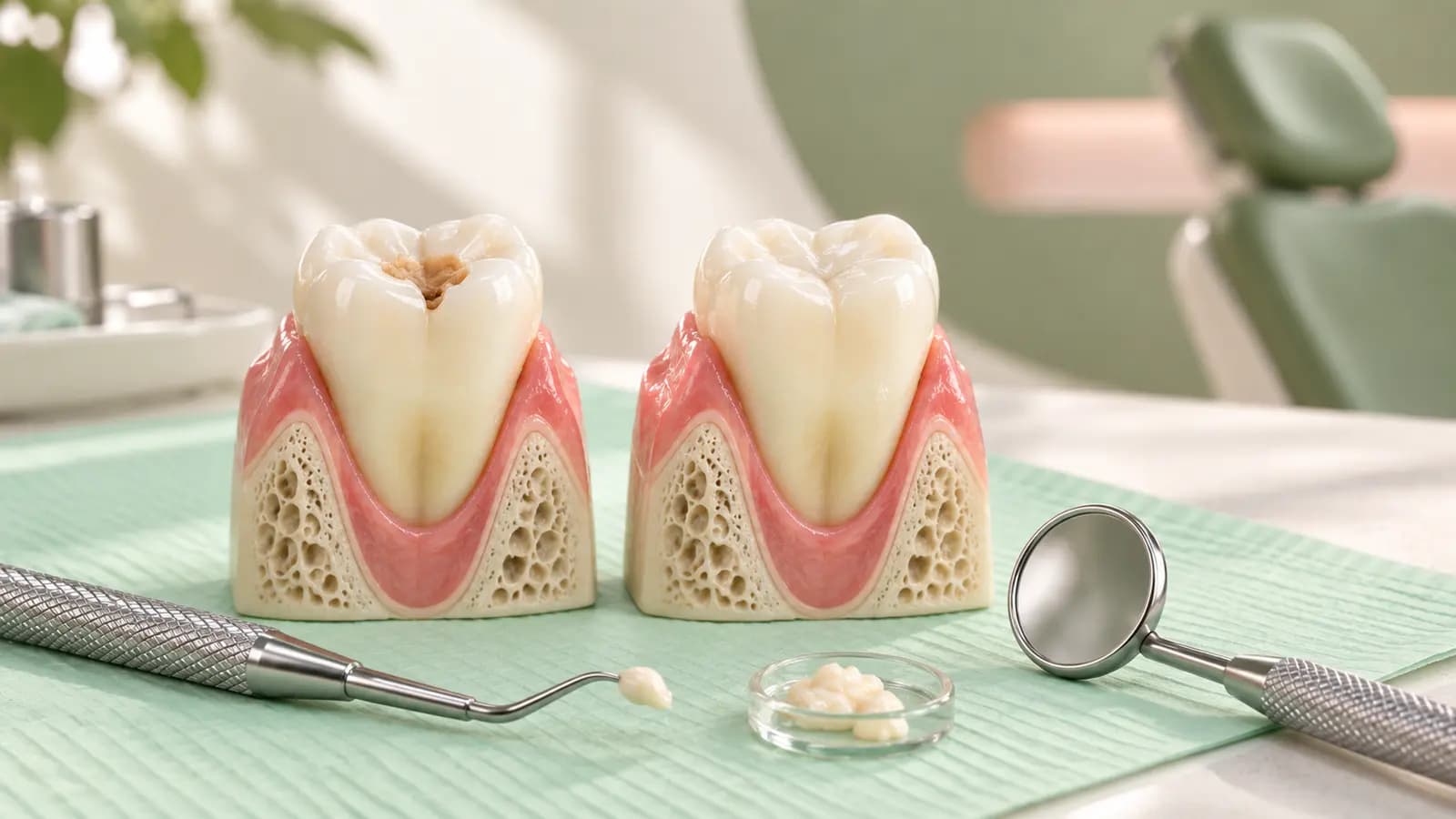
Fillings kuta, FLOSS Dental Studio lists IDR 400,000–IDR 700,000 for a back-tooth filling and IDR 600,000–IDR 950,000 for a front tooth. Treatment usually takes 30–60 minutes, although diagnosis and damage depth determine the final procedure.
When Can a Cavity Still Be Filled?
A filling is most suitable when decay can be removed and enough strong tooth remains to support the restoration. Early clues include sensitivity to sweets, cold, or heat; food trapping; a rough surface; a dark mark; or discomfort when biting. Cavities can also progress without symptoms, which is why routine examinations remain useful.
cavity treatment kuta does not always end with a standard filling. Decay reaching the pulp may require root canal treatment. If the walls are very thin, an onlay or crown may better withstand chewing. A tooth cracked into the root or no longer restorable may need extraction. Examination and an X-ray when indicated distinguish these situations.
Warning Signs That Should Not Wait
- Spontaneous or throbbing pain that disrupts sleep.
- Heat or cold sensitivity that continues after the stimulus is removed.
- Swelling, a gum bump, pus, unpleasant taste, or fever.
- A larger fracture, severe biting pain, or tooth mobility.
- An old filling that is cracked, loose, or trapping food around an open edge.
Filling Types and Prices at FLOSS
These figures are guides from FLOSS Dental Studio. Size, tooth position, surfaces repaired, anaesthetic, removal of an old restoration, fibre reinforcement, or preliminary treatment can alter the total.
A temporary filling protects the tooth for a limited period and is not a substitute for definitive restoration. Ask when it must be reviewed or replaced, especially if you will leave Bali soon.
The Filling Procedure
- The dentist asks about symptoms and examines decay, cracks, old restorations, gums, and bite. Imaging is used when needed to estimate depth.
- Local anaesthetic is provided when the area is sensitive or the cavity is deep. Not every filling requires the same approach.
- Damaged and decayed tissue is removed while preserving as much healthy structure as possible.
- The area is prepared, and tooth-coloured filling material is placed and shaped in controlled layers.
- The material is hardened, polished, and checked where it contacts neighbouring teeth.
- The bite is tested and adjusted if the restoration feels too high.
Pressure or vibration can occur, but sharp pain should be reported. Front-tooth care gives particular attention to shape, shade, and the transition into natural enamel. Back-tooth restorations need contours and contacts that support cleaning while resisting chewing forces.
Does Getting a Filling Hurt?
Many fillings can be completed comfortably with local anaesthetic when needed. Once numbness resolves, mild cold or bite sensitivity may occur for several days and should gradually improve. A high bite, increasingly strong pain, prolonged sensitivity, or swelling needs reassessment.
Pain afterwards does not automatically mean the procedure failed. The pulp in a deep cavity may need time to settle. However, spontaneous or throbbing pain without a trigger can indicate that the pulp is not recovering and further tooth filling kuta assessment or root canal treatment may be necessary.
How to Look After a New Filling
- Wait until numbness has resolved before chewing so you do not bite the cheek or tongue.
- Follow the dentist’s eating advice because material and cavity depth differ.
- Brush twice daily and clean between teeth to reduce decay at the filling edge.
- Avoid biting ice, bones, packaging, or other hard objects with the treated tooth.
- Reduce frequent sugary snacks and drinks, especially repeated sipping throughout the day.
- Book a review if the filling cracks, discolours, traps food, or feels uneven.
How Long Can a Filling Last?
Longevity depends on filling size and location, remaining tooth structure, material, bite pressure, grinding, hygiene, diet, and reviews. A large back-tooth filling carries more load than a small restoration. No material is immune to wear, fracture, or new decay.
Periodic checks can detect an open margin, small crack, or recurrent cavity before symptoms become severe. When much of a tooth is missing, repeatedly replacing an extensive filling may be less stable than an onlay or crown; the dentist should explain the trade-off.
Treat Decay Before It Becomes More Complex
Early diagnosis can keep treatment smaller and preserve more natural tooth. For personalised dental care, consult a dentist Bali visitors can reach at Floss Dental to learn whether a filling is enough, additional protection is needed, or the pulp requires treatment.
FAQ About Dental Fillings in Kuta
How much does a dental filling cost?
FLOSS lists IDR 400,000–IDR 700,000 for back teeth, IDR 600,000–IDR 950,000 for front teeth, and IDR 150,000 for a temporary filling. Size, surfaces, tooth position, pulp condition, and supporting procedures affect the final fee.
How long does a filling last?
There is no fixed lifespan. Size, remaining tooth, material, bite, grinding, diet, hygiene, and maintenance all matter. Reviews help identify whether the margin remains sealed or needs repair.
What effects can occur after a filling?
Numbness, mild cold sensitivity, or a slightly different bite can occur temporarily. Contact the dentist if pain worsens, swelling appears, the restoration moves, or the bite stays too high.
When can I smoke after a filling?
Avoid smoking at least until numbness has worn off and follow the dentist’s instructions. Heat and smoke can irritate tissues, and the advice may differ when gum treatment or another procedure was also performed.