5 Ways to Treat Cavities and How to Prevent Them
Cavities are among the most common dental health problems affecting both children and adults. They develop when acids produced by bacteria from food…
Residue—particularly foods containing sugar and carbohydrates—damage the layers of the teeth.
The right way to treat cavities is not always the same for everyone. Treatment must be adjusted according to the depth of the cavity, the condition of the dental pulp, and how much of the tooth structure can still be preserved. Early-stage decay may only require fluoride treatment, while a cavity that has reached the pulp may require root canal treatment.
Therefore, an examination by a dentist is necessary to determine the severity of the damage and the most appropriate treatment.
5 Ways to Treat Cavities Based on Their Severity
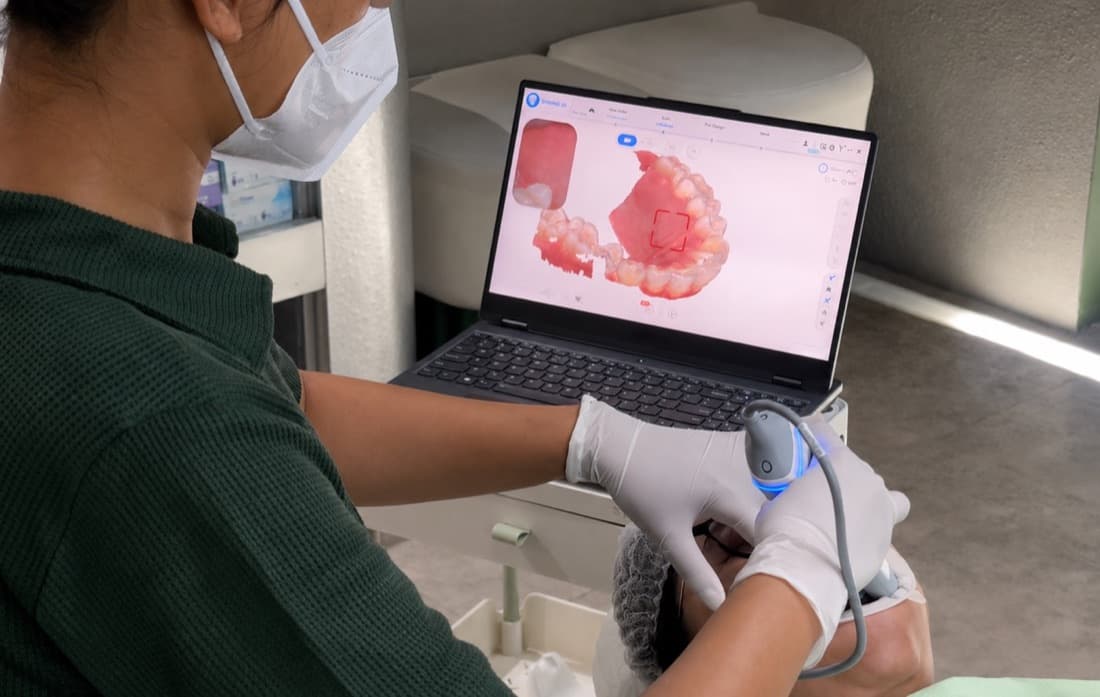
A dentist will examine the affected tooth directly and may take a dental X-ray if necessary. The results will help determine how deep the decay is and whether the tooth can still be preserved.
1. Fluoride Treatment for Early-Stage Decay
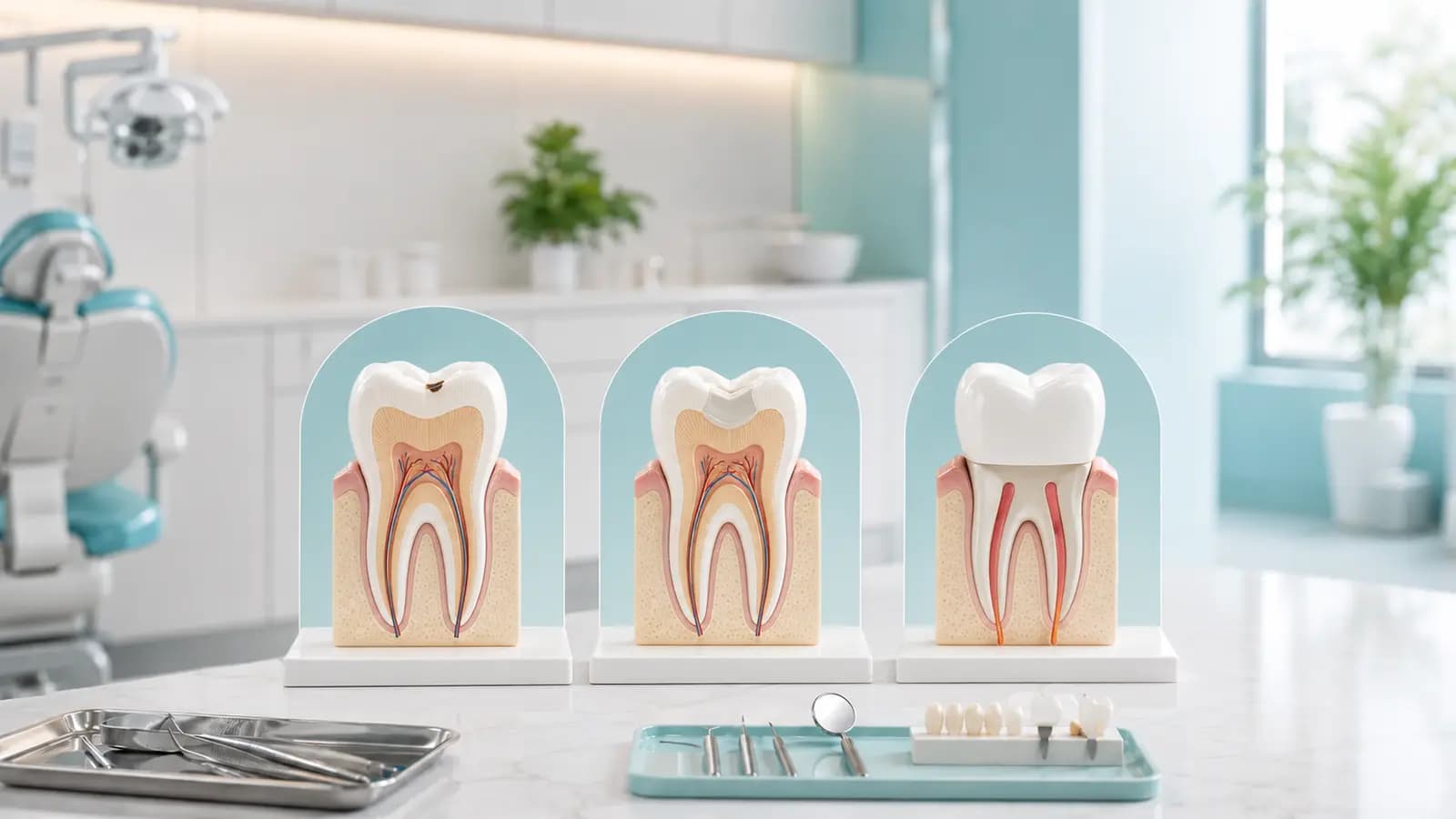
High-concentration fluoride may be applied when tooth decay is still in its early stage and has not yet developed into a cavity. This treatment helps strengthen the enamel and prevents the decay from progressing.
2. Dental Fillings for Small Cavities
A dental filling is recommended when a cavity has formed but has not yet reached the dental pulp. The dentist will remove the damaged tissue before sealing the tooth with a filling material.
3. Dental Crowns for Large Cavities
If the cavity is extensive and the remaining tooth structure has become weak, the dentist may recommend a dental crown. This artificial cap protects the remaining tooth while restoring its chewing function.
4. Root Canal Treatment for Pulp Damage
Root canal treatment is necessary when the decay has reached the dental pulp or caused an infection. The infected tissue is removed before the root canals are cleaned, filled, and sealed.
5. Tooth Extraction for Severely Damaged Teeth
Tooth extraction is considered a last resort when most of the tooth structure has been damaged and the tooth can no longer be restored with a filling or root canal treatment.
How to Prevent Cavities
Cavities can be prevented by reducing plaque buildup and keeping the tooth enamel strong. Preventive measures include the following:
1. Brush Your Teeth Regularly
Brush your teeth at least twice a day, particularly after breakfast and before going to bed. Use fluoride toothpaste to strengthen the enamel and protect the teeth against acid attacks.
2. Clean Between Your Teeth
A toothbrush cannot always remove plaque and food particles trapped between the teeth. Use dental floss or an interdental cleaner regularly to keep these areas clean.
3. Limit Sugary Foods and Drinks
Frequently consuming foods and drinks high in sugar repeatedly exposes the teeth to acid. Limit sugary snacks, soft drinks, sweets, and sticky foods to reduce the risk of tooth decay.
4. Schedule Regular Dental Check-Ups
Regular examinations allow dentists to detect tooth decay before the cavity becomes larger or causes pain. Depending on the patient’s condition, the dentist may also perform professional cleaning, apply fluoride, or recommend other preventive treatments.
5. Consider Dental Sealants
Dental sealants are protective coatings applied to the chewing surfaces of the molars. They help prevent food particles and bacteria from entering the grooves of the teeth, particularly in children who are at greater risk of developing cavities.
Treat Cavities Before the Damage Becomes More Severe
The sooner a cavity is examined, the greater the chance that the tooth can be preserved with simpler treatment. Do not wait until severe pain develops, as early-stage cavities often cause no noticeable symptoms.
If you are looking for Dental Care Bali to examine or treat cavities, FLOSS Dental Studio Bali provides examinations and treatments tailored to each patient’s condition. Consult a professional Dentist Bali to determine whether your tooth requires fluoride treatment, a filling, root canal treatment, a dental crown, or another procedure.