Dental Crowns in Seminyak: Types, Cost, and Longevity
A dental crown covers the visible part of a tooth to restore strength, shape, and function when a filling is no longer sufficient. For patients searching for
Dental crowns seminyak, FLOSS Dental Studio currently lists E.max or zirconia ceramic crowns at IDR 4,500,000 per tooth, generally completed over two to three visits. The final plan depends on the remaining tooth, gums, bite, and cosmetic requirements.
A crown is not necessary for every cavity. It becomes more relevant when a tooth is weakened, cracked, broken, heavily filled, or has completed root canal treatment. Similar symptoms can still lead to different options, including a filling, onlay, crown, or another procedure, so direct examination matters.
Estimated Crown Costs and Timing
These prices are a guide from the FLOSS service list. Preliminary treatment may be needed before a crown can be prepared, and the dentist will explain what is included in the estimate.
When Does a Tooth Usually Need a Crown?
The main purpose of a crown is to protect a tooth that has lost substantial structure, not simply to alter a smile. It may be recommended in these situations:
- A cracked or broken tooth that still has a reasonable restorative outlook.
- Deep decay or an old filling that leaves the remaining walls thin.
- A root-treated tooth that needs additional protection from fracture.
- Shape or colour that cannot be improved adequately with a more conservative option.
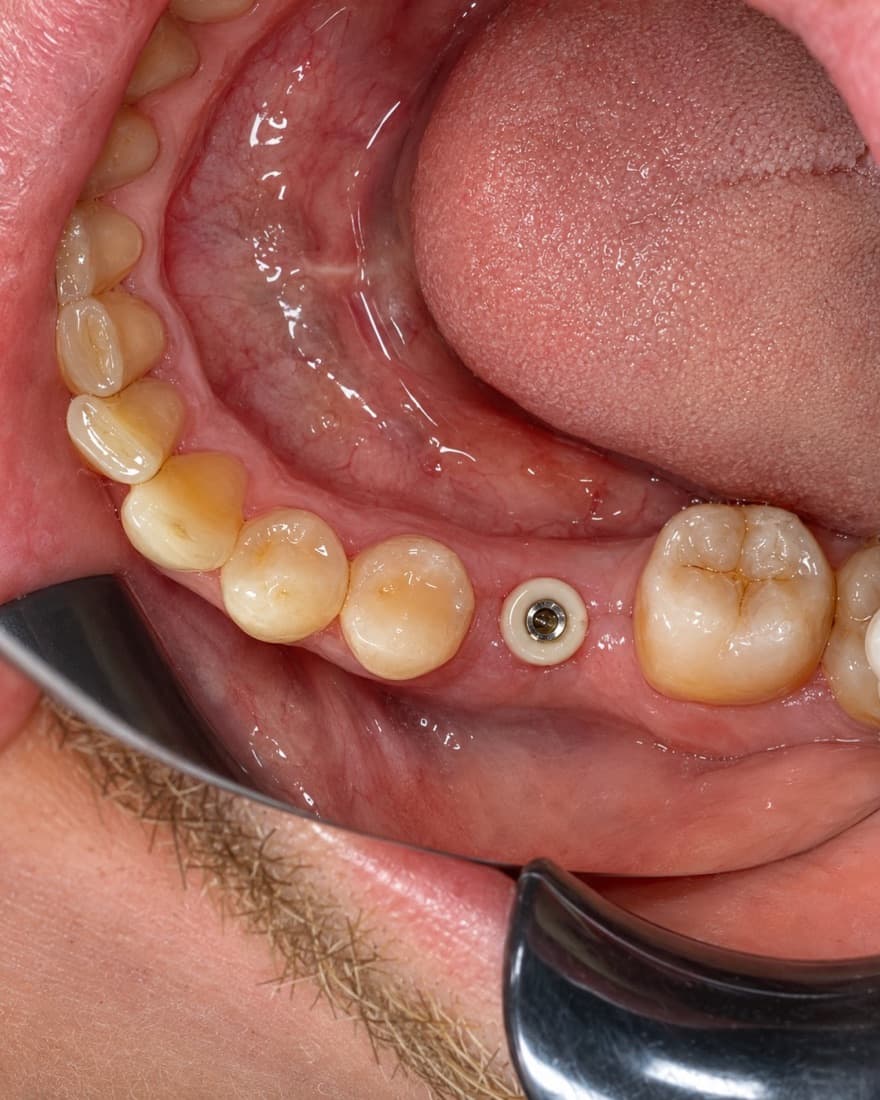
- A crown needed as part of a bridge or on top of a dental implant.
A crown cannot save every cracked tooth. When a fracture extends deep into the root or supporting tissues are unhealthy, the prognosis may be poor. Clinical tests and imaging can be required before the dentist recommends treatment.
Common Types of Ceramic Crown
FLOSS offers E.max and zirconia options. Both can be made to resemble natural teeth, but their properties and ideal uses are not identical.
E.max
E.max is a ceramic valued for its appearance and translucency. It is often considered for visible teeth when colour matching and a natural optical result are priorities.
Zirconia
Zirconia is a strong ceramic that may suit areas with higher chewing forces or particular structural demands. Modern zirconia can also provide an aesthetic result, although the exact material choice depends on the case.
There is no single best crown for everyone. Tooth position, remaining thickness, bite space, grinding, the underlying tooth colour, and your expectations all influence the choice. A responsible tooth crown seminyak plan balances appearance with the forces the crown must tolerate.
How Is a Dental Crown Made and Fitted?
- Examination and diagnosis. The dentist assesses the tooth, gums, bite contacts, and X-rays when required.
- Tooth preparation. Damaged tissue is removed and the tooth is shaped conservatively to create space and retention.
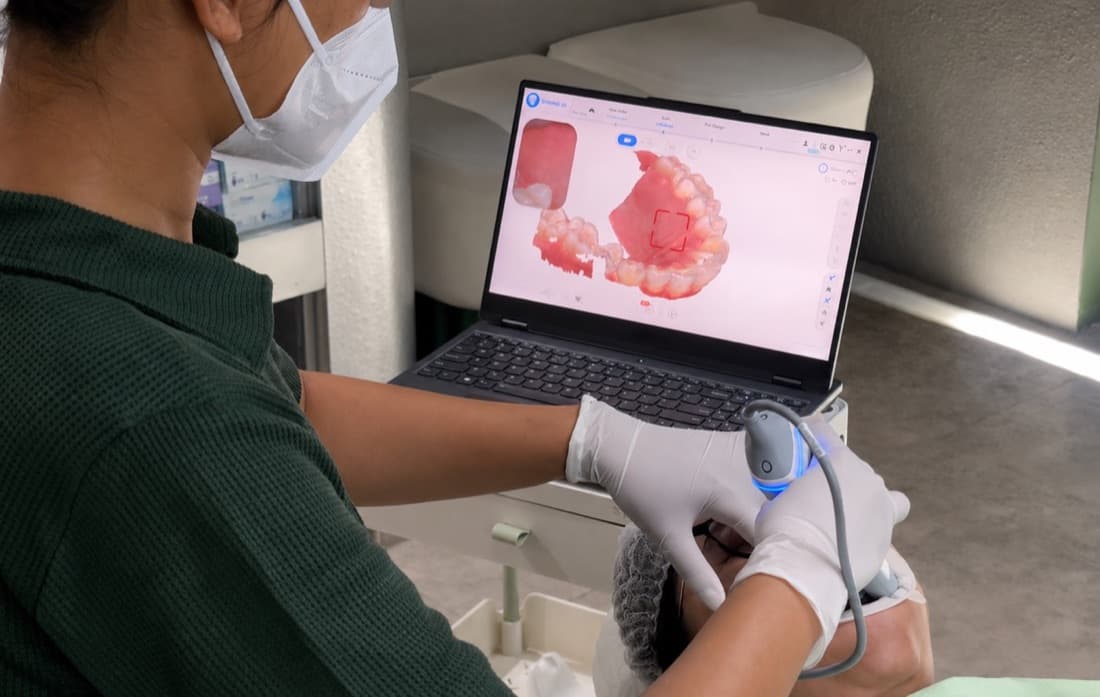
- Recording shape and shade. An impression or digital scan provides the information needed to make the crown.
- Temporary protection. A temporary crown may be fitted while the laboratory restoration is being produced.
- Final placement. The margins, contacts, shade, and bite are checked before the crown is cemented.
Local anaesthetic can be used during preparation. Temporary sensitivity or gum tenderness may occur after treatment. Increasing pain, swelling, fever, or a bite that remains markedly high should be assessed rather than ignored.
How Long Does a Dental Crown Last?
A crown is a long-term restoration, not a lifetime guarantee. Longevity depends on cleaning around its edge, the health of the underlying tooth, bite forces, hard-object habits, fit, and regular review. Decay can still develop where the crown meets the tooth if plaque remains.
Arrange an examination if a crown becomes loose, cracks, hurts when biting, traps food repeatedly, or is surrounded by persistent bleeding or an unpleasant taste. Never use household glue to reattach a loose restoration.
Caring for a Crown
- Brush twice daily with fluoride toothpaste and clean between the teeth every day.
- Avoid chewing ice, opening packaging with your teeth, or biting other hard objects.
- Treat a temporary crown carefully and avoid sticky food on that side.
- Use a night guard when recommended for grinding or clenching.
- Attend reviews so the margins, gums, supporting tooth, and bite can be monitored.
Choosing Crown Treatment Near Seminyak
A search for crown dentist seminyak should go beyond the headline price. Ask which material is recommended and why, how many visits are expected, whether a temporary crown is included, and whether root canal treatment or a core build-up is required first. Patients staying in Seminyak should also leave time for fit and bite adjustments before travelling.
Protect a Weak Tooth Before It Breaks Further
Earlier assessment usually provides a clearer view of whether the tooth can be retained and how conservatively it can be restored. Explore dental care choices, consult a dentist Bali visitors can speak with, or contact Floss Dental for a crown plan based on tooth structure, bite, and your available time.
FAQ About Dental Crowns
How much does a dental crown cost?
FLOSS lists an E.max or zirconia ceramic crown at IDR 4,500,000 per tooth and a three-unit bridge at IDR 13,500,000. The final total can change after examination and may not include required preliminary treatment.
How long does a crown last?
There is no fixed lifespan. Many crowns function for years when the supporting tooth is healthy, the fit is sound, hygiene is consistent, and bite forces are controlled. Reviews help identify problems early.
What side effects can occur after crown placement?
Temporary sensitivity, mild gum discomfort, or a bite that feels different can occur. Contact the dentist if pain increases, the crown moves, the gum swells, or the bite remains high.
Is root canal treatment always needed before a crown?
No. Root canal treatment is needed only when the pulp is irreversibly damaged or infected. A healthy vital tooth can receive a crown without root canal treatment.