Deep Bite: Signs, Causes and Treatment Options
A deep bite is a larger-than-usual vertical overlap of the upper front teeth over the lower front teeth. It may be comfortable for some people. Others…

Notice wear, irritation where a tooth meets the gum or an uncomfortable bite.
The amount of overlap matters together with where the teeth touch and how the rest of the bite works. Tell the dentist what you feel when you close or chew, even if the bite has looked the same for years.
Deep Bite, Overbite and Overjet
Overbite describes vertical overlap between front teeth. Some overlap is part of the tooth relationship, so the upper teeth covering part of the lower teeth does not by itself establish a deep bite.
A deep bite involves excessive coverage that needs to be understood alongside tooth positions and the jaws. The amount, actual contacts, and consequences are assessed clinically.
Do not measure it by repeatedly pushing the jaw or comparing photographs from different angles. Head position and lighting can change how much of the teeth is visible.
Yes. Front teeth can have substantial vertical coverage and a larger horizontal relationship at the same time, although either feature may exist without the other.
Simply asking for the front teeth to be pulled backwards may therefore not address the full bite. The plan can involve contact height, tooth inclination, and relationships in several areas.
Understanding the distinction helps you ask what movement is intended instead of selecting an appliance solely for appearance.
Overbite describes vertical coverage. Overjet measures the forward distance between the upper and lower front teeth. A person can have one without a large change in the other. Ask the dentist to show which measurement is relevant to your bite and whether it is causing a practical problem.
What Can Cause a Deep Bite
Growth, jaw relationships, tooth position and inclination, and development of the arrangement all influence the overlap. Missing teeth, wear, or previous treatment may also be relevant for some patients.
The cause cannot be established from a single facial feature. The clinician combines the history with the current condition before recommending care.
Explain any recent change in adulthood. A sudden difference needs to be distinguished from a relationship that has been present for many years.
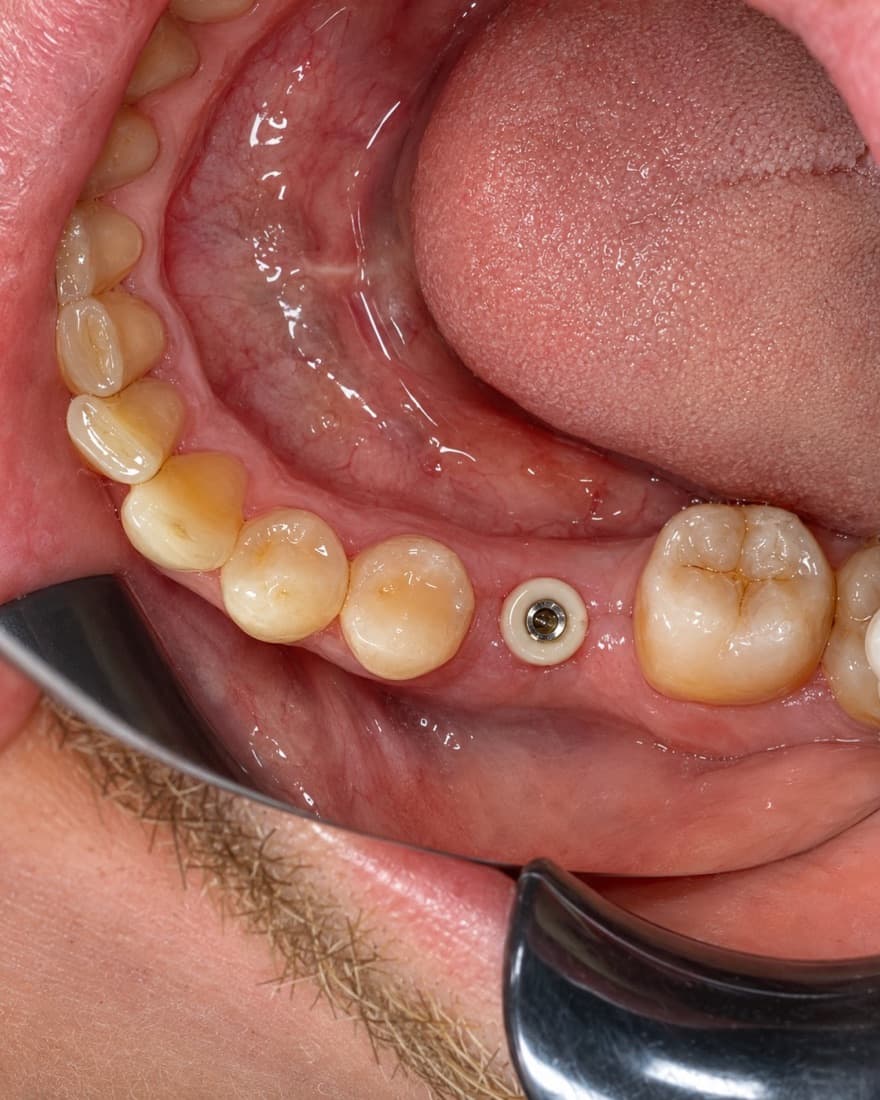
Some people notice lower teeth contacting the tissues behind the upper teeth, recurring sores, uncomfortable contact, or difficulty chewing. Wear patterns may also be assessed.
Those symptoms do not always come only from a deep bite. Teeth, gums, and other possible sources need consideration as well.
No pain does not automatically establish either a need for intervention or a reason to avoid monitoring. Assessment connects appearance with the actual function and tissue condition.
The clinician may consider how the front teeth erupted, how the back teeth support the bite and whether any surfaces have worn over time. Bring up any changes after dental work or orthodontic treatment. A recent change in the way the teeth meet is useful information even if the visible overlap seems familiar.
What a Deep Bite Assessment Includes
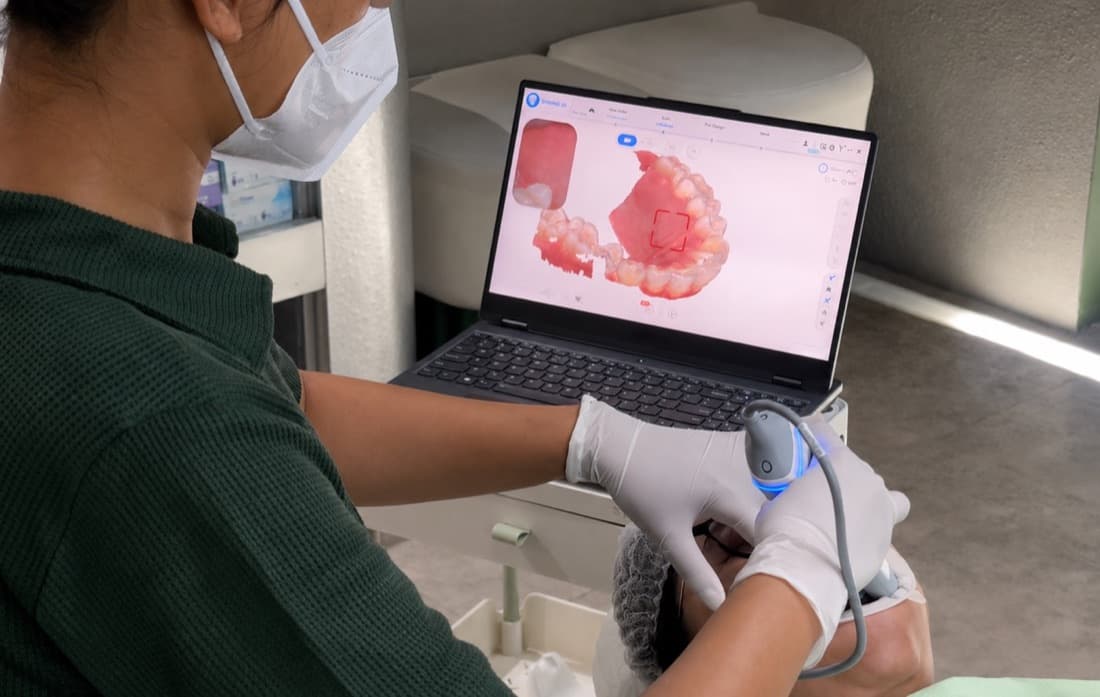
The clinician checks vertical overlap, front-back relationships, back-tooth contacts, gums, and any tissue receiving contact. Photographs, models, or scans may support the analysis.
Dental X-rays are selected when needed to understand structures and relationships not visible directly. Imaging should follow the clinical question.
Mention injuries, restorations, extractions, and earlier braces or retainers. That history helps the dentist interpret current contacts in the appropriate context.
Is the overlap affecting function or soft tissues?
What needs to change, and which result is realistic?
Why is a particular appliance recommended?
What appointments and daily care will be needed?
How will the result be maintained once active treatment ends?
Explain your priorities and concerns so the plan can be discussed together. If regular travel affects reviews, mention it before starting rather than after the appliance has been fitted.
During a review, point out any place where a lower tooth feels as though it touches the roof of the mouth or an upper tooth presses into the lower gum. Tell the dentist whether that happens every time or only when you clench. They can compare those symptoms with what happens when you close normally.
An earlier photo or scan can help if you think the bite has changed. Ask whether the clinician is checking for wear, movement or a local restoration that may have changed the way one tooth meets another.
Treatment Options for a Deep Bite
Monitoring in Suitable Circumstances
For a stable condition without an issue requiring correction, monitoring can be discussed alongside your preferences. The purpose and signs of change should still be clear.
Observation is not a promise that the bite will never alter. Follow the review schedule recommended for your situation.
Orthodontic Movement
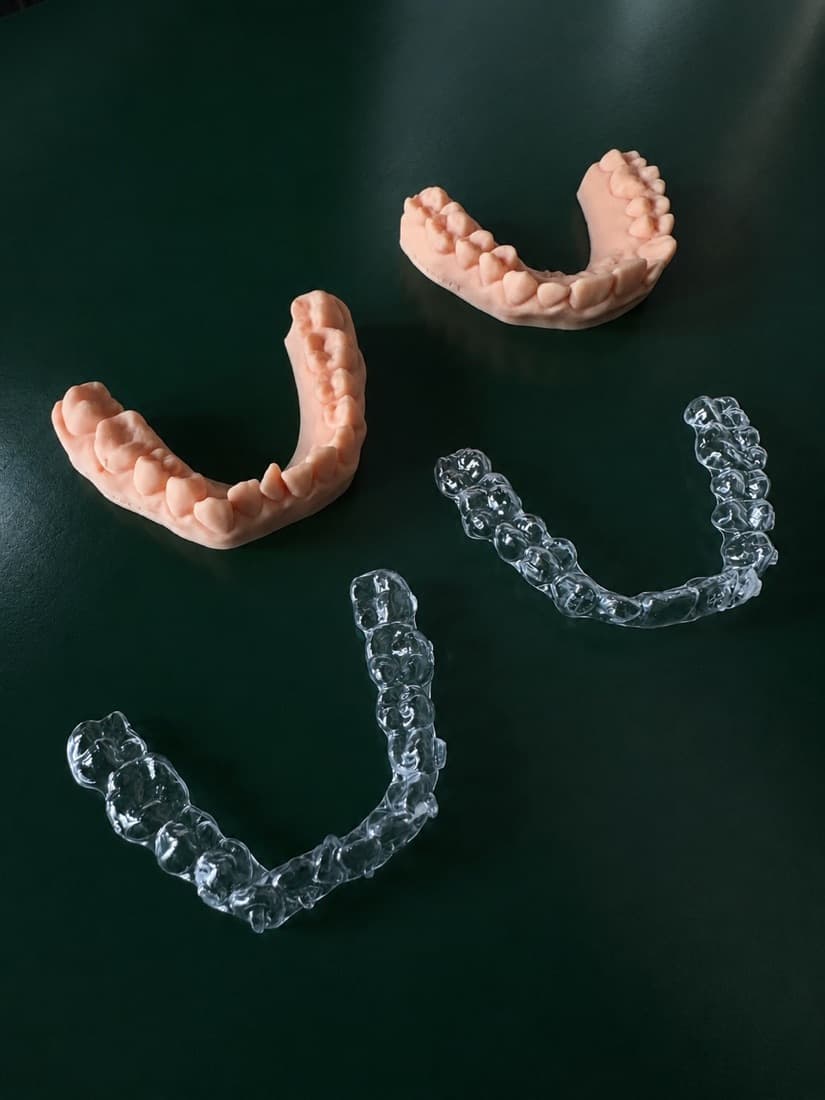
Braces or aligners may help manage contacts and tooth position in suitable cases. Braces treatment considers arrangement and function rather than only a straight-looking front row.
The required movements, supporting tissues, and ability to follow instructions affect appliance choice. Different deep-bite cases can need different plans.
Additional Approaches When Necessary
Growth stage influences options in children. Adults with more complex jaw relationships may need discussion of the limits of tooth movement and possible coordinated care.
During an orthodontic assessment, ask about goals, alternatives, and retention after active treatment.
Do not file teeth to make the overlap look smaller or use an unsupervised device. Altering a surface without analysing the bite may fail to address the source of discomfort.
Cosmetic reshaping does not automatically replace positional correction. Changes in appearance, contact, and tissue protection are different goals that need a clear explanation.
Avoid choosing only by the shortest advertised duration. An arrangement that looks simple from the front can still require movements that need careful review.
If the dentist suggests monitoring, ask which areas they want to recheck and what symptoms should bring you back sooner. If you are considering alignment, ask which teeth would move and how the change would affect the contacts at the back. A suitable plan takes the whole bite into account.
Discuss what the next review would show if the plan is working. Improvement may be measured by more comfortable contacts or less irritation in a specific area, as well as a change in the amount of visible overlap.
Check How the Overlap Affects Your Bite
If you have noticed sore spots or wear where the teeth meet, point them out during a bite assessment. FLOSS Dental Studio is in Kerobokan, Kuta Utara. See Dentist Bali for clinic details and use the Dentist Kuta or Dentist Canggu guide to plan your visit.