Bruxism in Kerobokan: Why You May Grind Your Teeth at Night
Bruxism is repetitive tooth grinding or clenching that can happen during sleep or while you are awake. Mild activity may not need specific treatment,…
But tooth damage, pain, or difficulty using your jaw should be assessed.
If you are looking for help with bruxism in Kerobokan, note when symptoms occur. Morning jaw soreness is useful information, but it is not enough to confirm the cause.
Sleep and awake bruxism are different
Sleep bruxism happens without conscious awareness. A partner may hear grinding, or a dentist may notice signs of wear. Awake bruxism can occur while concentrating, working, or feeling tense.
Both may occur in the same person. Daytime reminders to relax the jaw can address conscious habits, but trying to be more aware does not directly stop activity during sleep.
Signs to bring to an appointment
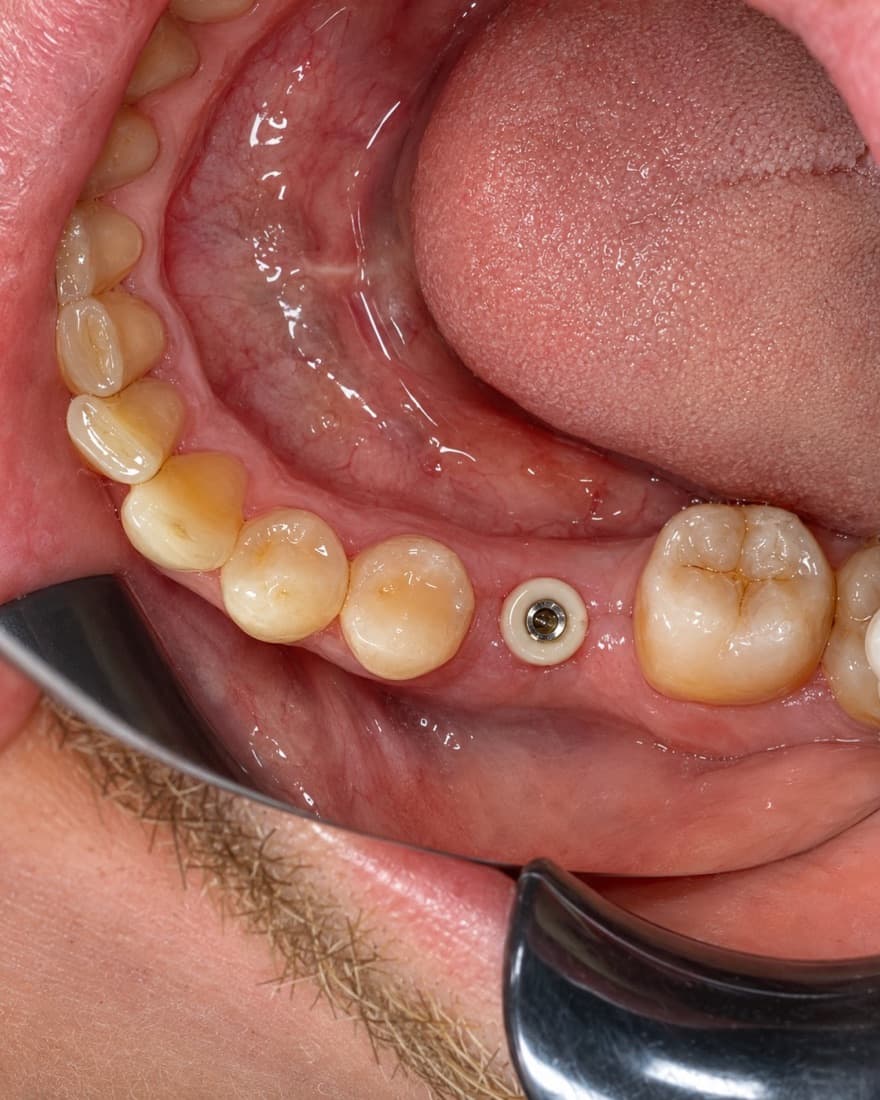
Flattening tooth edges, small chips, repeated broken restorations, or increasing sensitivity deserve attention. Tired chewing muscles and pain around the temples may also be relevant.
However, old tooth wear does not prove grinding is still active. Jaw pain can have other causes, and a sore individual tooth may have decay, a crack, or another dental problem.
If you have swelling, a loose tooth, or pain focused on one area, do not assume that teeth grinding explains everything. Your dentist will evaluate the teeth and gums as well as jaw symptoms.
Why does it happen?
Bruxism has several possible influences. Stress, certain medicines, caffeine, alcohol, smoking, and sleep-related factors may play a role. The relationship is not identical for everyone, and stress is not the only explanation.
Bring a list of medicines and do not stop prescribed treatment yourself. Mention loud snoring, breathing pauses noticed by a partner, or substantial daytime sleepiness. A medical sleep assessment may be appropriate when these symptoms are present.
What does management involve?
- Review the timing of symptoms, sleep quality, habits, and any observations from your partner.
- Examine the teeth, existing restorations, chewing muscles, and jaw movement.
- Decide whether monitoring, habit changes, protective appliances, or repair of damaged teeth is appropriate.
- Arrange further assessment or referral when sleep or persistent pain concerns need additional investigation.
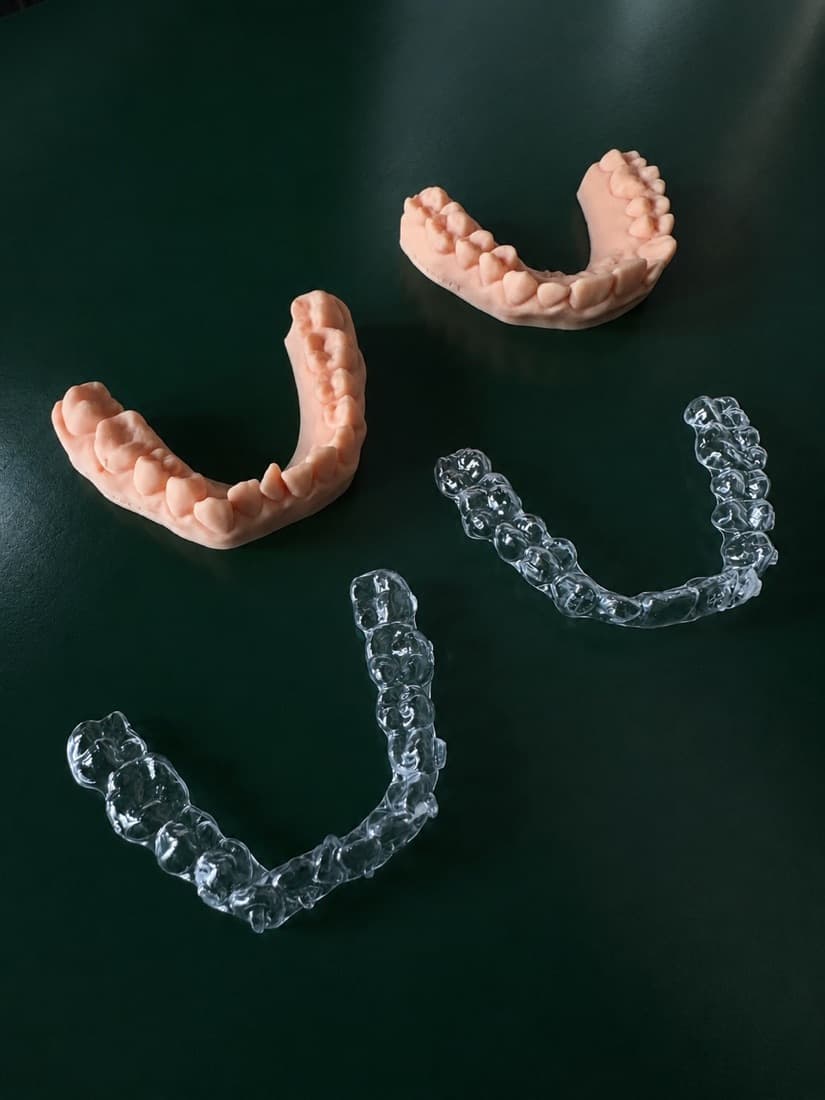
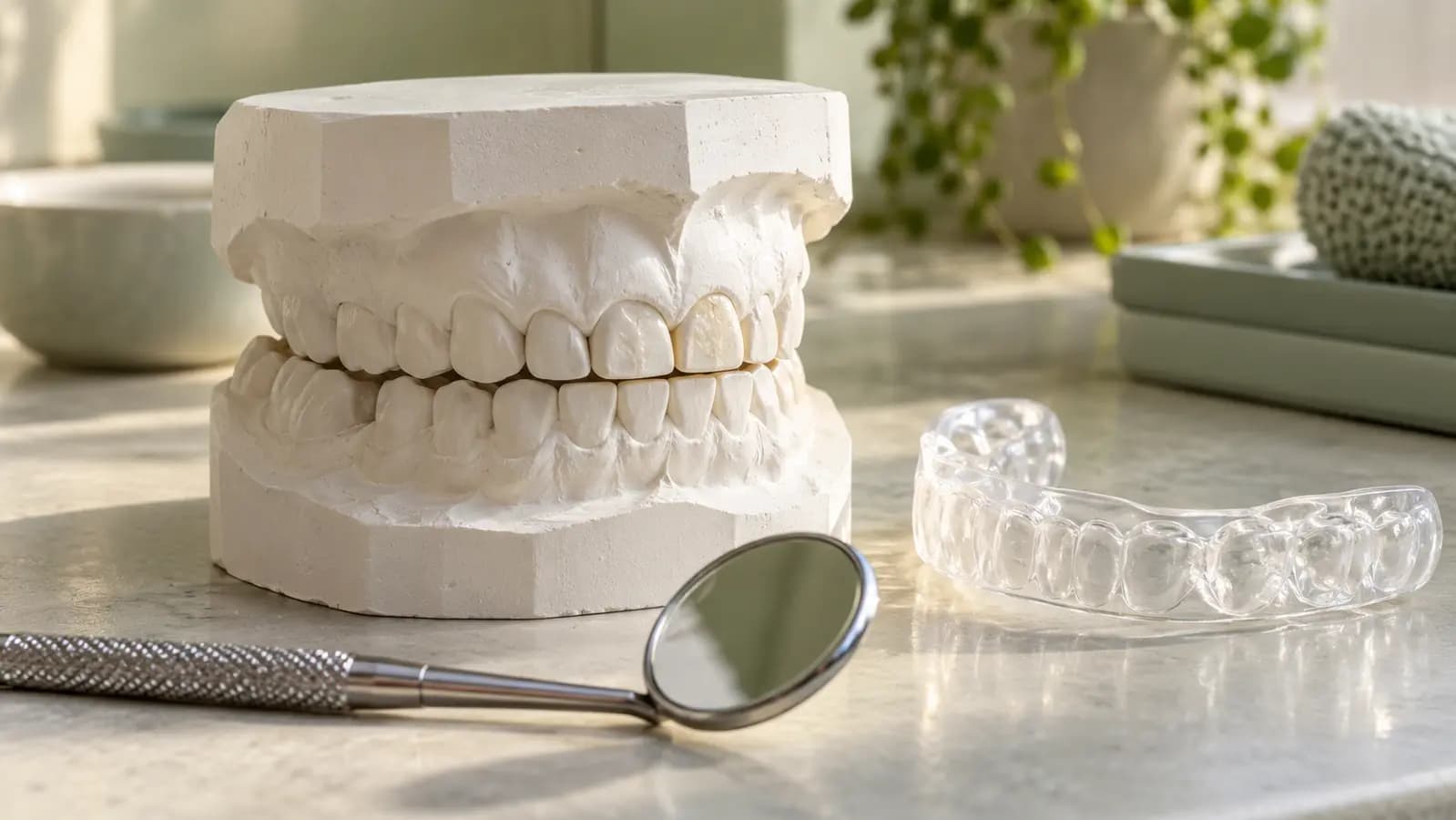
A night guard can help protect teeth in suitable cases. It does not guarantee that grinding stops, and not everyone needs one. Altering the bite by grinding down teeth is not a routine first step simply because bruxism is suspected.
Practical steps between visits
- Notice daytime clenching and let the teeth rest apart rather than pressing together.
- Review evening caffeine and alcohol intake, and seek support to stop smoking if needed.
- Build a consistent sleep routine and use manageable ways to reduce stress.
- Avoid excessive gum chewing when your jaw muscles are sore.
- Attend reviews to monitor teeth, restorations, and symptoms.
Progress is not measured only by whether a partner still hears grinding. Tooth protection, comfort, and chewing function also matter. Increasing pain, a locked jaw, or a fractured tooth warrants earlier review.
Understand the pattern before choosing treatment
For dental care and an assessment with a dentist Bali, contact Floss Dental in Kerobokan. Your symptom history and dental examination can help establish an appropriate plan rather than assuming every case requires the same appliance.
FAQ Seputar Bruxism
What causes bruxism?
Several factors can contribute, including habits, stress, medicines, and sleep-related issues. An assessment helps identify which factors may matter in your case.
Can bruxism go away?
Activity can change or decrease, but outcomes vary. Treatment focuses on managing symptoms and limiting damage.
How can I prevent bruxism?
It cannot always be prevented. Addressing daytime clenching, sleep habits, and relevant health factors can help manage its effects.