Shark Teeth in Kids: Adult Tooth Behind a Baby Tooth
Shark teeth, where an adult tooth grows behind a baby tooth, do not always mean the baby tooth needs to be removed. A loose baby tooth may fall out on…

Its own. Arrange a check if the baby tooth stays firm while the adult tooth keeps coming through, or if there is pain or trouble cleaning.
Look at where the new tooth is emerging. A permanent molar at the back can arrive without replacing a baby tooth. A new front tooth behind a retained baby tooth is a different eruption pattern.
Why Two Rows of Teeth Can Appear
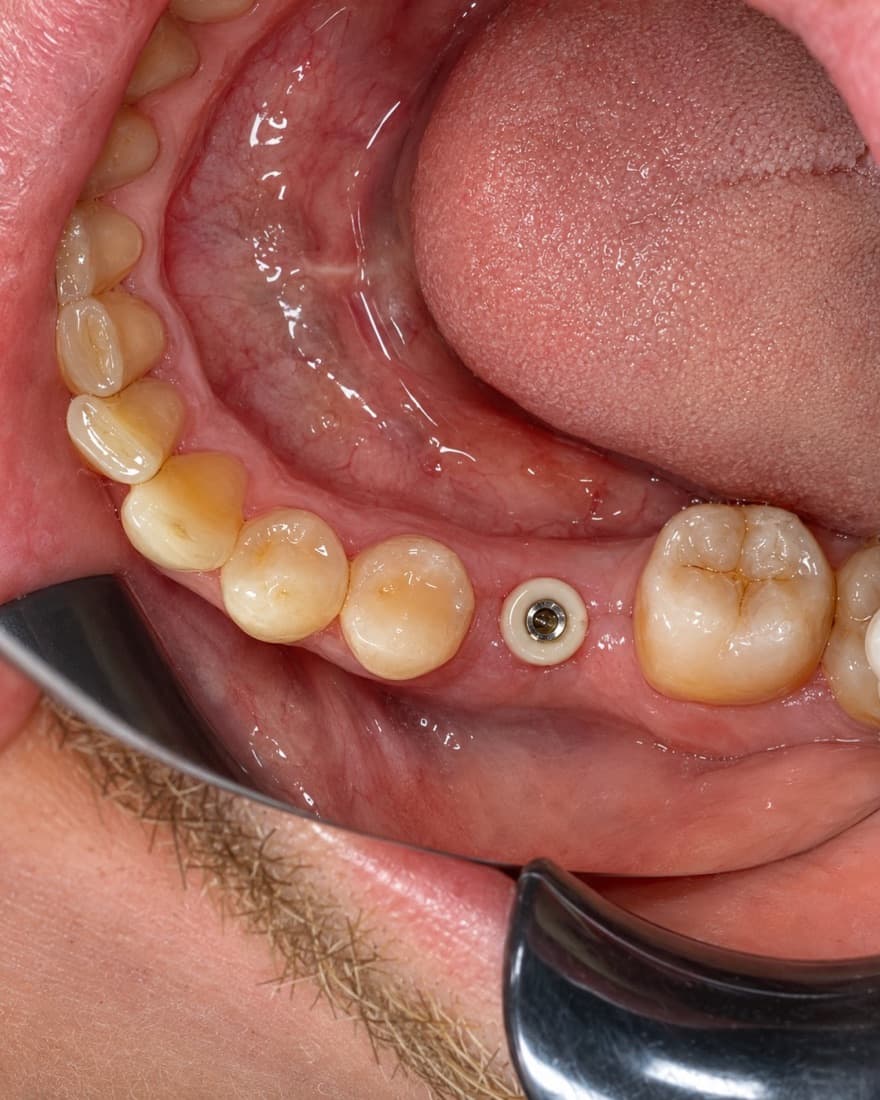
A permanent tooth does not always appear directly beneath the expected position as the baby tooth becomes loose. If it emerges behind a baby tooth that remains in place, the arrangement can look like a double row.
Parent information sometimes calls this shark teeth. The term describes an appearance rather than a diagnosis of equal severity in every child.
Space and the eruption path still matter. Removing one baby tooth does not automatically correct crowding if the arch has insufficient room overall.
First permanent molars erupt behind the baby-tooth row without a baby tooth needing to fall out first. That is a different situation from two rows of front teeth.
Do not assume every back tooth is temporary. Having the teeth identified at a check-up helps parents understand which newly appearing surfaces need long-term protection.
Fluoride needs in children also depend on risk rather than simply whether a tooth is primary or permanent.
When Monitoring May Be Reasonable
Observation can be considered when the baby tooth is becoming loose, the child is comfortable, there are no signs of infection, and development supports that approach. The dentist can recommend a suitable review interval.
Another child’s experience is not a reliable deadline. Teeth, developmental stage, and available space differ. If you are unsure which tooth is emerging, an examination is more useful than guessing.
Continue cleaning both rows. The additional spaces can trap food, and a child may avoid the area because it feels unfamiliar or awkward.
In some children, position adjusts after the baby tooth falls out and space becomes available. The direction and final result cannot be guaranteed from a photograph or age alone.
Follow-up helps establish whether further care is needed. Extraction, when indicated, is one decision within the developmental assessment rather than proof that all alignment questions have been solved.
Do not push the permanent tooth with fingers or a homemade device. Planned tooth movement is different from unsupervised pressure.
When to Get an Adult Tooth Growing Behind a Baby Tooth Checked
The Baby Tooth Remains Firm
If the permanent tooth becomes increasingly visible while the baby tooth remains firmly in place, seek advice. The dentist can decide whether it is obstructing development, can be observed, or needs treatment.
You do not need to wait for pain before asking. An examination does not mean an extraction must happen that same day.
There Is Pain or Swelling
Pain affecting eating, swelling, a gum bump, or decay needs assessment. Those findings should not simply be labelled a normal part of tooth replacement.
Contact a clinic promptly if swelling increases or is accompanied by fever. Breathing or swallowing difficulty requires immediate medical help.
Space Seems Limited
The whole arch can be assessed to decide whether orthodontic monitoring is useful. Two rows do not automatically require an appliance, but they can justify checking development.
Orthodontic treatment considers space and the bite rather than only pulling one visible tooth into a straighter position.
The dentist checks baby-tooth mobility, permanent-tooth position, tissues, cleaning, and space. Imaging may be selected if something cannot be established directly.
A children’s dental assessment also provides an opportunity to discuss cleaning and review timing. Explanations should be calm and appropriate to the child’s age.
Mention injuries, decay, previous treatment, and when you first saw the new tooth. Clear earlier photographs may help explain the sequence.
What Parents Can Do While Watching the Teeth
Help brush both rows and the gumline gently.
Use an age-appropriate amount of fluoride toothpaste.
Clear trapped food without sharp objects.
Allow a very loose baby tooth to come out naturally without a forceful pull.
Note changes and follow the recommended review plan.
Do not attach string to an object, use pliers, or employ another forced-removal method. It is difficult to assess the surrounding tissues or readiness for removal at home.
If brushing around the two teeth is awkward, ask your child to point to the spot they miss and help them clean it gently from both sides. Keep track of whether the baby tooth is getting looser and whether the new tooth is becoming harder to reach. Share those observations at the review.
Check How the New Tooth Is Coming Through
If the baby tooth remains firm or the area is sore, book an assessment so the dentist can explain what to watch for. FLOSS Dental Studio is in Kerobokan, Kuta Utara. See Dentist Bali for clinic details and use the Dentist Kuta or Dentist Canggu guide to plan your visit.