Open Bite: Why the Teeth Don’t Meet and What Can Help
An open bite means some upper and lower teeth do not meet when the rest of the bite closes. At the front it can make biting into food difficult, even…

When the back teeth meet normally. The cause can involve tooth position, a long-standing oral habit, the jaw relationship or more than one factor.
Notice what happens when you try to bite with the front teeth or when you bring the teeth together naturally. A dentist or orthodontist can check where the gap is and whether it changes as you close.
What an Open Bite Looks and Feels Like
At the front, you may find it difficult to bite through a thin piece of food. Some people transfer that task to back teeth or notice another functional difficulty.
An open bite can also involve back teeth rather than only the front. The clinician examines contacts throughout the mouth, including areas not visible in a smile photograph.
Do not diagnose the condition by repeatedly clenching as hard as possible in a mirror. Assessment considers your normal closing pattern, teeth, and the history of any change.
During the transition from baby to permanent teeth, eruption and position are not the same as an adult arrangement. A tooth that has not fully erupted can temporarily change how the mouth looks.
Age and the pattern of tooth replacement therefore matter. An examination helps distinguish development that should be monitored from a bite relationship that would benefit from care.
An early evaluation does not automatically mean treatment starts immediately. The clinician may recommend observation and decide when growth information needs to be reviewed.
A small gap you see only while the jaw is resting is different from a gap that stays when the back teeth are together. If a child’s front teeth are still erupting, tell the dentist which teeth have recently come through. The stage of development can change how the finding is interpreted.
What Can Contribute to an Open Bite
Jaw growth and tooth position can contribute. Prolonged thumb or dummy sucking may also be relevant for some children.
Tongue position, swallowing function, and breathing patterns may form part of the evaluation. However, a visible gap does not prove that one habit is the sole cause.
If there are breathing or other functional concerns, an appropriate additional assessment may be recommended. Do not assume that every case can be corrected by following an online tongue-position exercise.
Mention difficulty biting food, contacts that seem limited to only a few teeth, or concerns about speech and swallowing. Those symptoms are not always caused by open bite alone, so other explanations may need consideration.
A new bite change after dental work, injury, or during orthodontic treatment should also be reported. Do not assume it is a longstanding variation without discussing the timing.
Lack of pain does not establish that all contacts are suitable. Function and tissue condition matter as well as symptoms.
When discussing an oral habit, mention how often it happens and whether it is still present. The clinician considers the habit alongside growth and tooth position. In an adult, mention earlier orthodontic treatment and when you first noticed that the front teeth no longer met.
What an Open Bite Assessment Includes
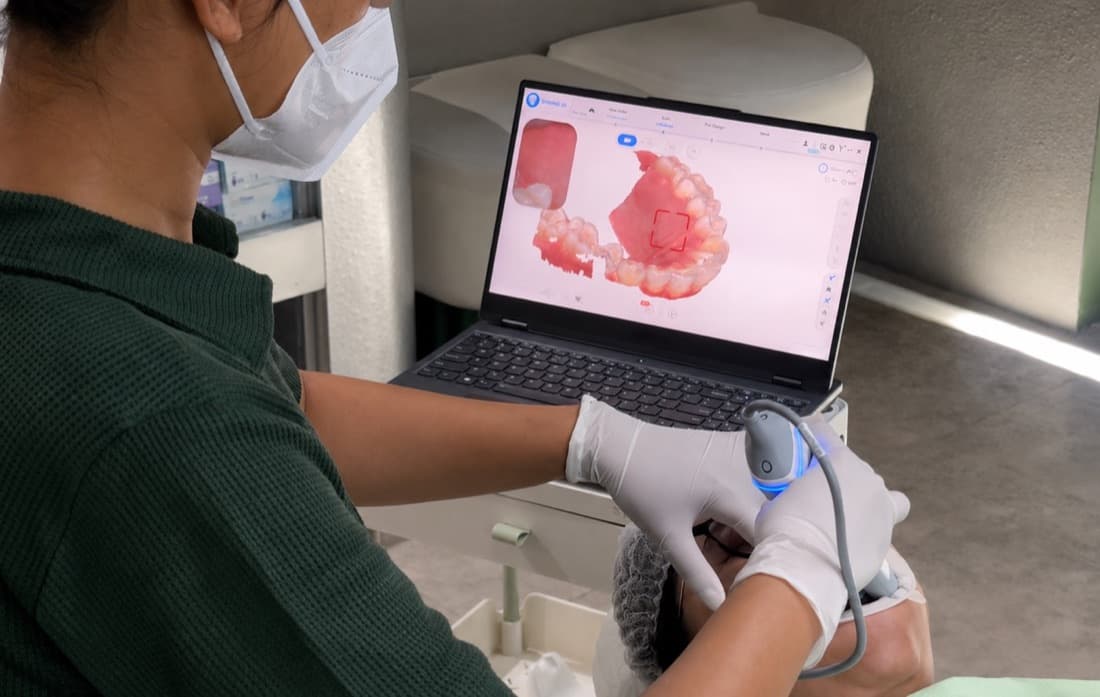
The clinician checks the tooth arrangement, upper-lower relationship, jaw position, and gums. Photographs, models, or scans can help measure and plan the required movements.
Dental X-rays are selected when needed to answer a clinical question. Additional tests should follow individual circumstances rather than an identical checklist for everyone.
Previous treatment, oral habits, and your goals also matter. A useful plan considers stability and function rather than simply closing a visible space for a photograph.
Which teeth do not contact, and how does that affect function?
Is the main issue dental, skeletal, or a combination?
Are habits or another assessment relevant?
Which options are reasonable, and what are their limitations?
How will the result be maintained after active treatment?
Bring details of previous procedures and explain any changes in your schedule. Those practical details help turn a recommendation into a plan you can actually follow.
Ask the clinician to show you which teeth meet first and which remain apart. Explain whether you mainly want to improve biting, speech or appearance. A clear description of the problem helps the team decide which records to take and what a useful outcome would look like.
Treatment Options and Retention
Monitoring or Addressing Relevant Habits
In children, growth and habits can influence the next step. Support should be age-appropriate and should not blame or shame a child.
Changing a habit may form part of care, but it does not guarantee that every gap will close without treatment. Follow-up helps establish the response.
Braces or Aligners
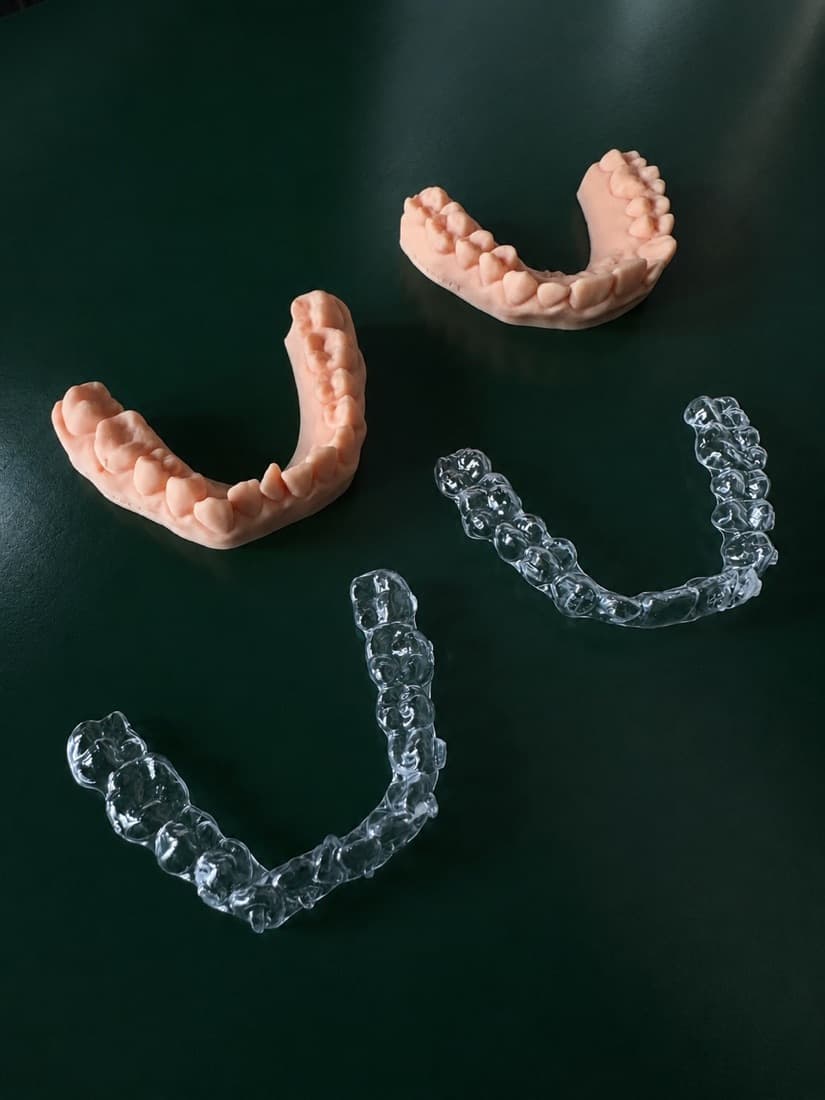
Orthodontic movement can be considered in suitable cases. Braces treatment addresses both alignment and the bite, rather than merely straightening front teeth.
An open bite alone does not establish that aligners are always suitable or unsuitable. The movements, jaw relationships, and ability to follow wear instructions need analysis.
Additional Care for Complex Relationships
Some jaw discrepancies require discussion of additional approaches or coordination with other professionals. Surgery is not necessary for everyone, but the limits of tooth movement should be explained when relevant.
At an orthodontic assessment, ask about goals, alternatives, likely duration, and a realistic review schedule.
Maintaining a result needs planning after teeth have moved. Retainers and reviews may form part of care, while any relevant habits or functional issues remain under consideration.
Avoid a promise that one appliance provides a permanent result without maintenance. Stability needs individual evaluation, including when growth or everyday patterns change.
If you travel frequently, ask how follow-up can be maintained. Continuity matters during active care and after the appliance is removed.
If you are offered braces or aligners, ask which teeth need to move and what the plan assumes about any contributing habit. If the jaw relationship is an important factor, ask what tooth movement alone is expected to achieve. The plan should also explain how the result will be held after active treatment.
Discuss the Gap in the Context of Your Bite
If the gap makes biting difficult or has changed over time, describe when you notice it so the dentist can assess what is contributing. FLOSS Dental Studio is in Kerobokan, Kuta Utara. See Dentist Bali for clinic details and use the Dentist Kuta or Dentist Canggu guide to plan your visit.