10 Ways to Relieve Toothache Safely and Effectively
A toothache may feel sharp, throbbing, or constant enough to disturb eating and sleep. Possible causes include trapped food, sensitive teeth, tooth decay, a…
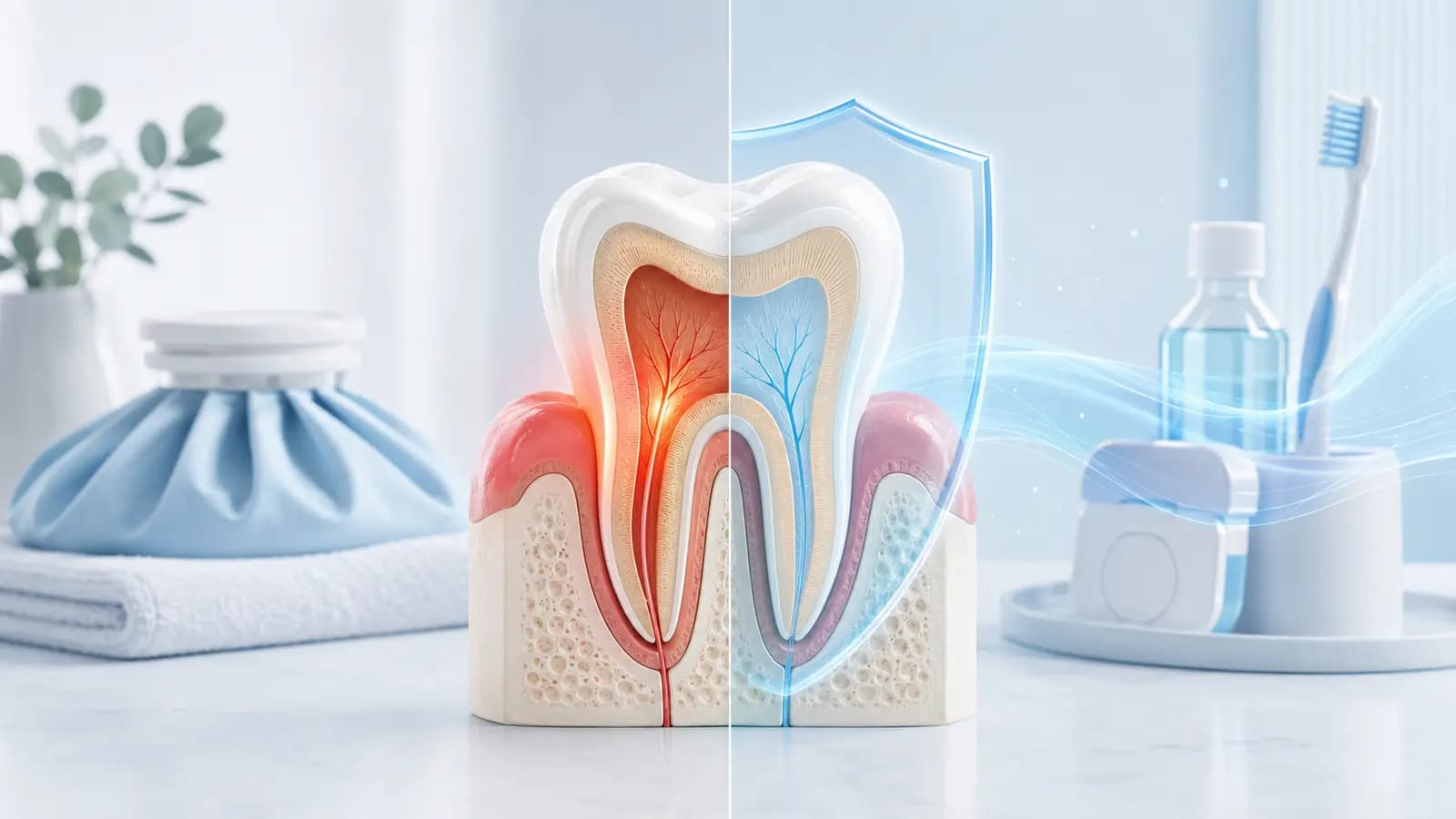
A toothache may feel sharp, throbbing, or constant enough to disturb eating and sleep. Possible causes include trapped food, sensitive teeth, tooth decay, a damaged filling, a cracked tooth, gum disease, or an infection inside the tooth.
Most home measures only provide temporary toothache relief. When pain is caused by decay, a crack, or an infection, it can return until a dentist treats the underlying problem.
Common Causes of Toothache
Tooth decay is one of the most common causes. As damage progresses, heat, cold, pressure, or bacteria can irritate the dentine or the pulp containing the tooth’s nerves. Pain may also come from a dental abscess, broken tooth, loose filling, inflamed gums, a partially erupted wisdom tooth, teeth grinding, or sensitivity. A dental examination is needed to identify the cause accurately.
10 Ways to Relieve Toothache Temporarily
1. Arrange a Dental Appointment
The most important step is to book an examination, particularly if the pain is severe, keeps returning, or does not improve. A dentist can diagnose the cause and recommend a filling, root canal treatment, gum care, or another appropriate procedure.
2. Rinse with Warm Water
A gentle warm-water rinse can help clear food particles and debris from the mouth. Use comfortably warm water rather than hot water, which may aggravate sensitive teeth or irritated tissues.
3. Try a Salt-Water Rinse
Dissolve about half a teaspoon of salt in a glass of warm water, rinse, and spit it out. This can help cleanse the sore area. Do not swallow the solution, and do not use it for children who cannot rinse and spit safely.
4. Clean Between the Teeth Gently
If the pain began after eating, food may be trapped between the teeth. Floss gently without forcing it into the gums. Stop if the area is very painful, bleeding, or becoming more irritated.
5. Apply a Cold Compress
Wrap an ice pack or cold pack in a thin towel and hold it against the outside of the cheek for several minutes. Cold can help reduce pain and swelling, particularly after an injury. Do not place ice directly on the tooth or skin.
6. Use Over-the-Counter Pain Relief Correctly
Medicines such as paracetamol or ibuprofen may reduce dental pain for some people. Follow the package directions and ask a pharmacist or doctor for advice if you have a medical condition, are pregnant, take other medicines, or are treating a child. Never place aspirin or another painkiller directly against the gum because it can damage the tissue.
7. Choose Soft Foods
Eat soft foods and chew on the opposite side of the mouth. Avoid hard items that place extra pressure on the painful tooth, including ice, hard sweets, and very crunchy foods.
8. Avoid Hot, Cold, and Sugary Triggers
Very hot, cold, or sugary foods and drinks can trigger sensitivity when dentine is exposed or a tooth is decayed. Choose foods at a moderate temperature until the cause can be assessed.
9. Keep Brushing with a Soft Toothbrush
Oral hygiene remains important even when a tooth hurts. Use a soft-bristled toothbrush and clean gently so plaque does not continue to build up. Avoid aggressive brushing around inflamed tissue.
10. Use an Oral Pain-Relieving Gel as Directed
An oral pain-relieving gel may provide short-term relief for some people. Choose an approved product and follow the label carefully. Ask a pharmacist before using one for a child, during pregnancy, or if you have an existing health condition.
When Should a Toothache Be Checked?
See a dentist if the toothache lasts longer than two days, does not improve with pain relief, or is accompanied by fever, pain when biting, red gums, a bad taste, or swelling of the cheek or jaw. These symptoms may indicate infection or damage that needs professional treatment.
Seek emergency medical help if swelling spreads towards the eye or neck, or if it becomes difficult to breathe, swallow, or speak. These warning signs should not be delayed.
Treat the Cause at Floss Dental Studio
These ways to relieve toothache may make you more comfortable temporarily, but the right treatment depends on the cause. If you develop dental pain while in Bali, arrange an examination at Floss Dental Studio so a dentist can assess the problem and recommend appropriate care.