Sports Mouthguards in Canggu: Custom vs Ready-Made Tooth Protection
A sports mouthguard helps reduce the risk of dental and oral injuries during activities involving impacts. Protection depends on fit and consistent use. When considering a sports mouthguard in Canggu, take the sport, your teeth, and the ability to breathe and communicate while wearing it into account.A custom guard is made around an individual’s mouth, […]
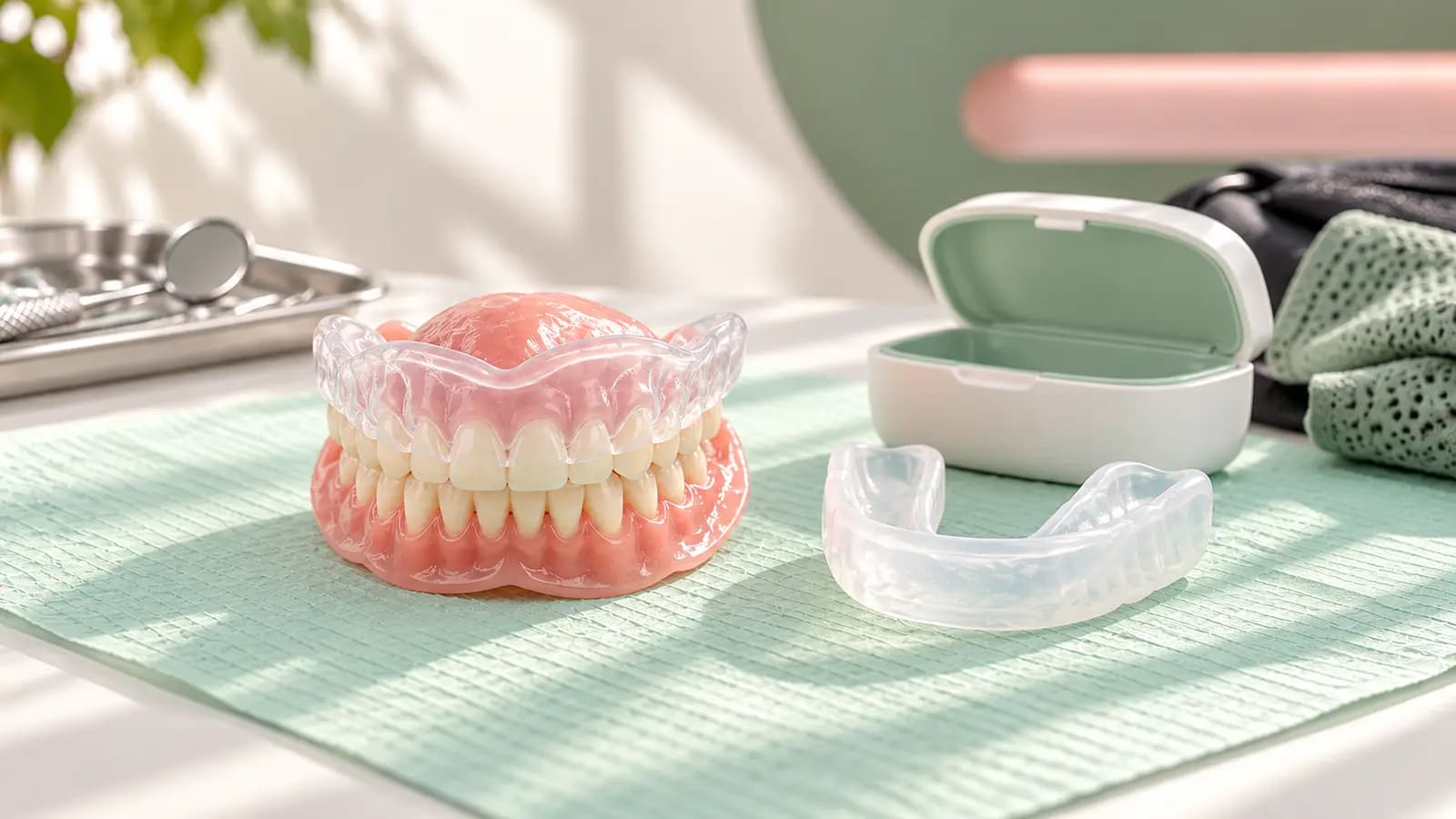
A sports mouthguard helps reduce the risk of dental and oral injuries during activities involving impacts. Protection depends on fit and consistent use. When considering a sports mouthguard in Canggu, take the sport, your teeth, and the ability to breathe and communicate while wearing it into account.
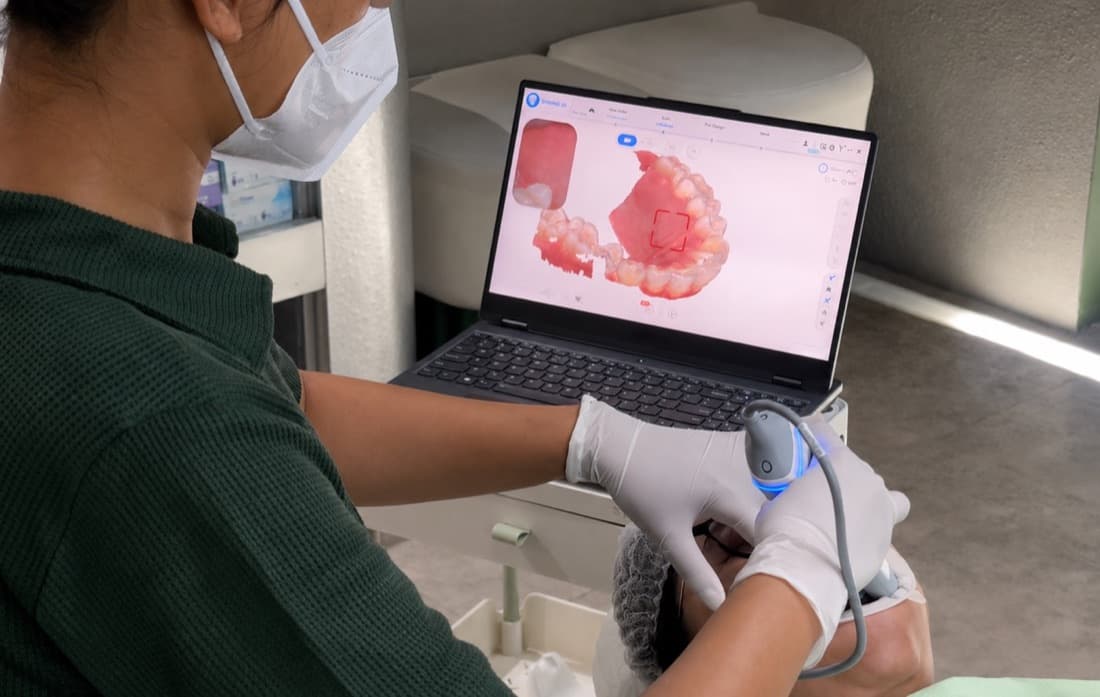
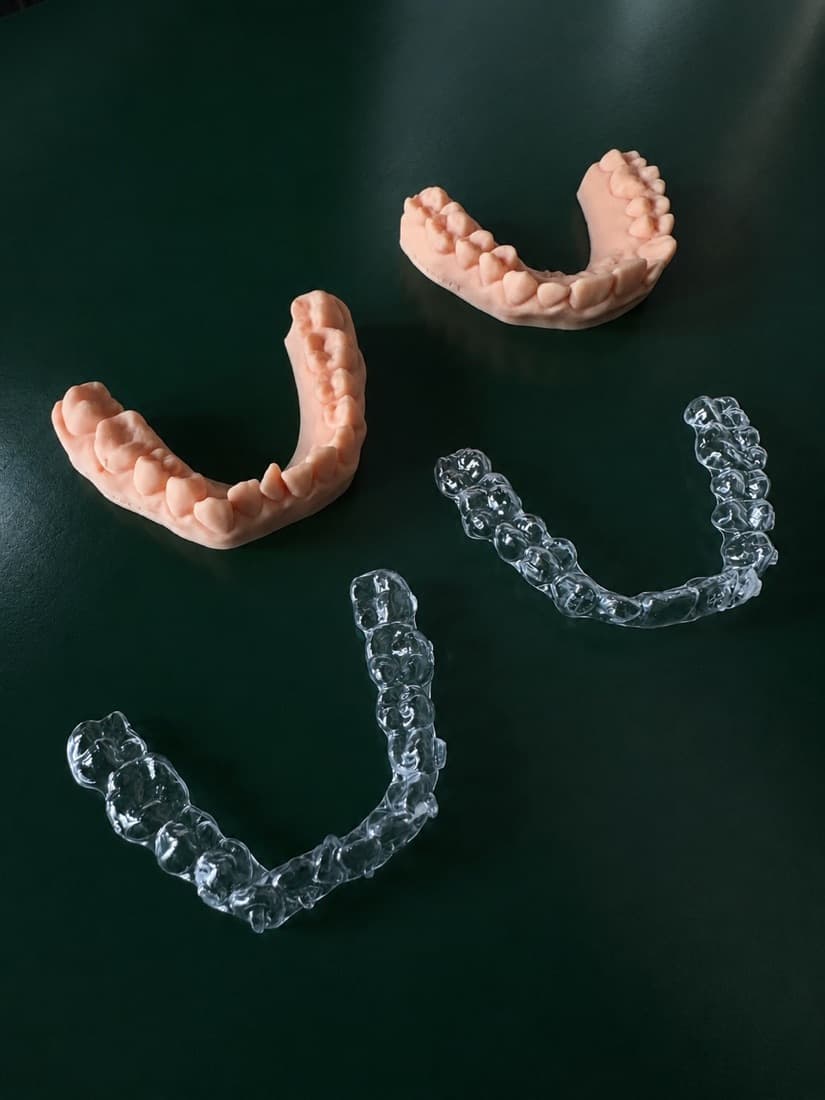
A custom guard is made around an individual’s mouth, while stock models come in general sizes. Boil-and-bite guards are another option, shaped according to the manufacturer’s instructions. An assessment is particularly helpful with braces, restorations, or previous dental injuries.
Who should consider a sports mouthguard?
Contact sports such as boxing, martial arts, rugby, and basketball can involve blows to the face. Falls or collisions can also occur during cycling, skateboarding, and surfing. Protection should be considered according to the activity and injury risk rather than only whether competition rules require it.
Wear the guard during relevant training as well as matches. A comfortable device that stays in place is easier to use consistently. If you frequently remove it to breathe or speak, have its fit reviewed.
Custom, boil-and-bite, and stock guards compared
| Type | How it is made | Benefits and considerations |
|---|---|---|
| Custom | Uses an individual impression or mouth-shape data | Can be adapted to the teeth and sport; requires fabrication and fitting |
| Boil-and-bite | Softened and shaped following product instructions | Widely accessible; results depend on shaping and fit |
| Stock / ready-made | General sizes without individual shaping | Convenient, but retention and comfort can be limited |
A product described as custom on its packaging is not necessarily made from an individual dental impression. Check what the process involves. Colour and appearance may suit personal preferences, but do not replace appropriate coverage and retention.
What a suitable fit feels like
The guard should remain stable and comfortable without constant forceful biting to hold it in place. It should allow breathing and communication appropriate to the activity. Edges that rub or cause sores need attention.
A dentist can assess tooth coverage, thickness for the intended use, retention, and bite relationships. Try speaking and breathing during the fitting. Report slipping, excessive bulk, or easy displacement before using it in training.
Braces, crowns, and changing teeth
Braces and tooth movement affect mouthguard fit. The design should accommodate orthodontic needs without obstructing planned movement. Do not mould a product over braces without appropriate instructions.
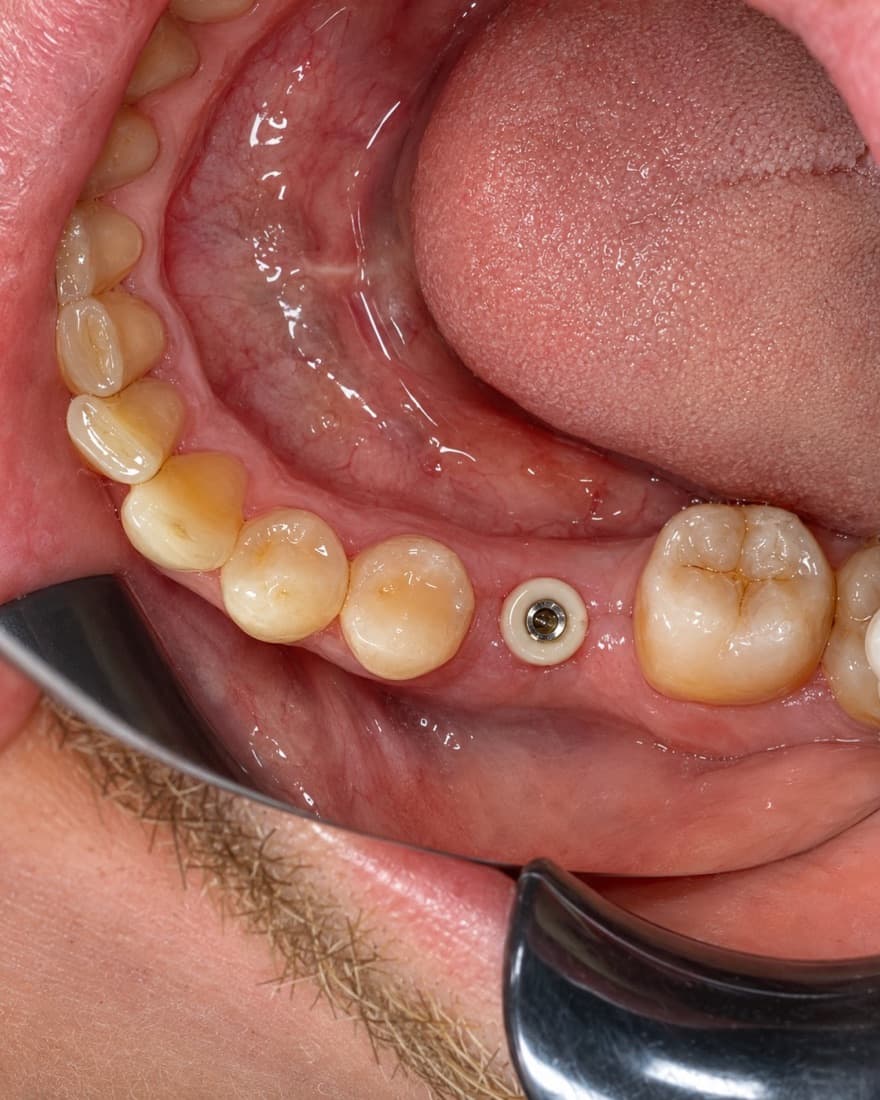
Mention crowns, bridges, implants, loose teeth, and previous trauma. The dentist can assess whether dental treatment is needed first and how protection should be adapted. Growing children also need periodic checks because their mouths and teeth change.
A sports guard is different from a night guard
Sports mouthguards are designed for impact protection. Night guards or splints are used for different purposes, such as managing grinding or clenching. Their design and clinical aims differ, so one should not be substituted for the other without assessment.
A mouthguard does not guarantee protection from every injury. Evidence for dental protection is clearer than claims about preventing concussion. Follow the sport’s rules and use other appropriate protective equipment rather than treating a guard as permission to take additional risks.
Cleaning and storage
- Clean before and after use according to the material’s instructions, using cool water and a soft brush where appropriate.
- Avoid hot water and heat exposure, including leaving it in a hot vehicle, which can alter its shape.
- Store it in a clean ventilated case and allow it to dry as instructed.
- Check for tears, cracks, thinning, and changes in fit.
- Bring it to dental reviews for a condition and fit check.
Do not share the appliance. Follow instructions for any recommended cleaner and avoid harsh substances that can damage the surface. A damaged or poorly fitting guard should be assessed for replacement.
What to do after an impact
Stop the activity and assess symptoms. A broken, displaced, or loose tooth, bleeding, or dental pain requires examination even if a guard was worn. An intact-looking appliance is not proof that no injury occurred.
Loss of consciousness, confusion, vomiting, or other signs of head injury require medical assessment. Keep the mouthguard for inspection if it has changed shape or been damaged. Its suitability for further use should be reviewed.
Before arranging fabrication, discuss how often you train, your competition requirements, and any upcoming orthodontic changes. This helps clarify the fitting process and whether a future review or replacement is likely to be needed.
Plan protection for your activity
Bring details of your sport, training frequency, and any guard you already use to the consultation. Discuss dental care with a dentist Bali patients can consult at Floss Dental to assess tooth protection and suitable mouthguard options.
FAQ About Sports Mouthguards
What is a tooth protector for boxing called?
It is commonly called a mouthguard or gumshield. Choose a device intended for sport and appropriate to your teeth and activity.
What are the benefits of a gumshield?
A suitable guard helps reduce the risk and severity of dental and some oral soft-tissue injuries from impacts. Fit and consistent use remain important.
How much does a sports mouthguard cost?
Cost depends on the type, fabrication, and adjustments required. For a custom option, confirm availability, the estimate, fitting process, and expected turnaround during consultation.