Sensitive teeth: common causes and what to do next
Sensitivity can come from enamel wear, gum recession, decay, or recent treatment. The right checkup helps identify the cause clearly.

Tooth sensitivity is common, but the cause is not always the same. Some sensitivity is mild and temporary, while other cases need treatment.
Common reasons teeth feel sensitive
Sensitivity can come from exposed dentin, gum recession, enamel wear, tooth decay, cracked teeth, or recent dental treatment.
The pattern matters. Sensitivity to cold, sweet food, biting, or brushing can point to different causes.
Why diagnosis matters
Using sensitivity toothpaste may help some cases, but it does not solve cavities, cracks, or gum problems.
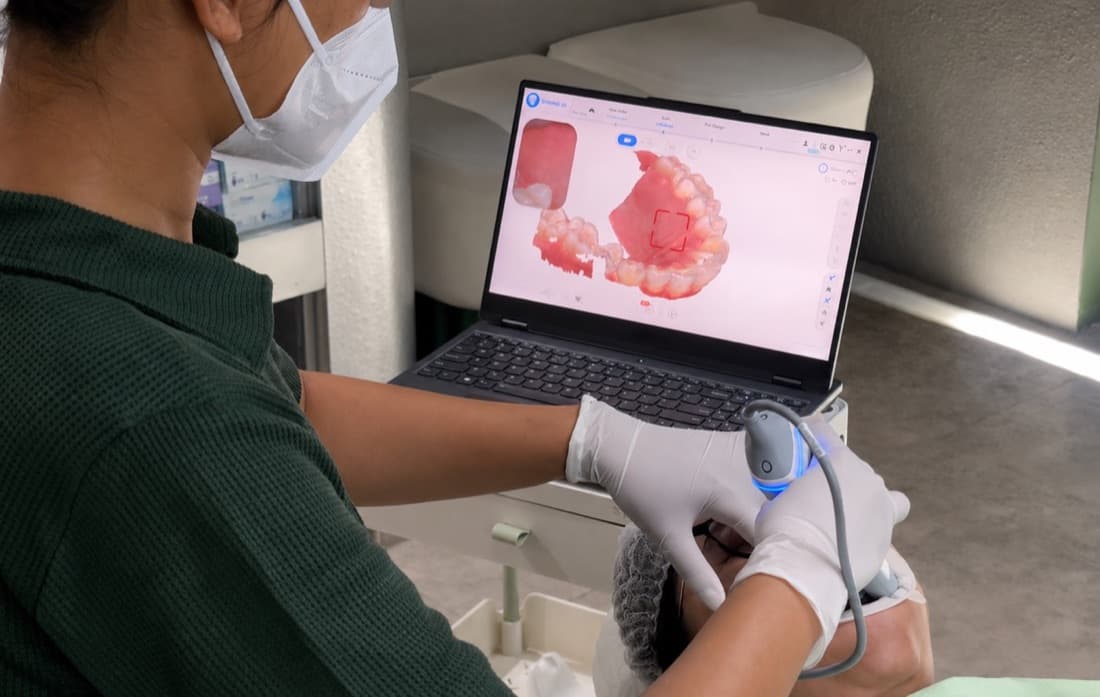
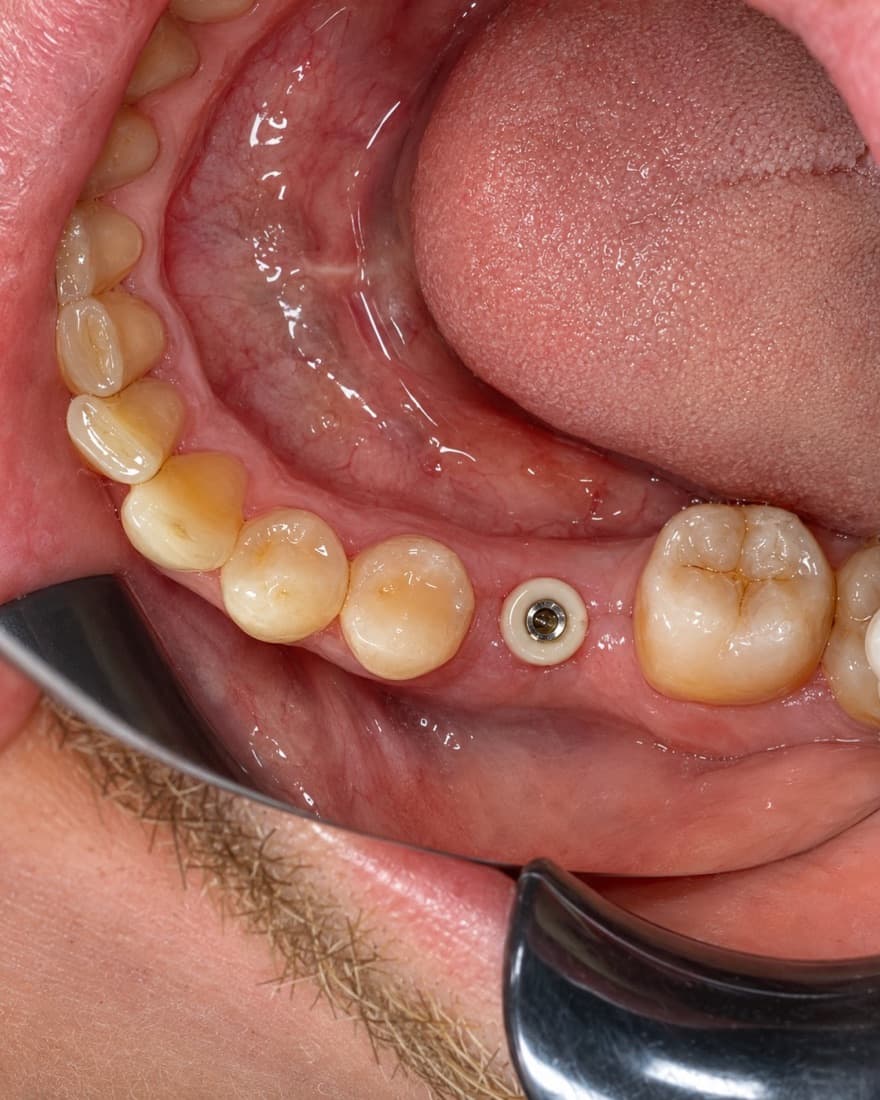
A dentist can test the tooth, check the gums, and recommend the right next step based on the cause.
When to book a visit
Book a checkup if sensitivity lasts more than a few days, gets worse, happens when biting, or is focused on one tooth.
Early evaluation can prevent a small issue from becoming more painful or expensive.
Notice when and where the sensitivity happens
A short response to cold across several teeth often has a different cause from sharp pain in one tooth when biting. Note the trigger, location, duration, and whether the sensation stops quickly or continues after the trigger is gone.
This information helps the dentist narrow down possible causes. Sensitivity that wakes you at night, occurs spontaneously, or is accompanied by swelling should be assessed promptly.
Daily habits that can make sensitivity worse
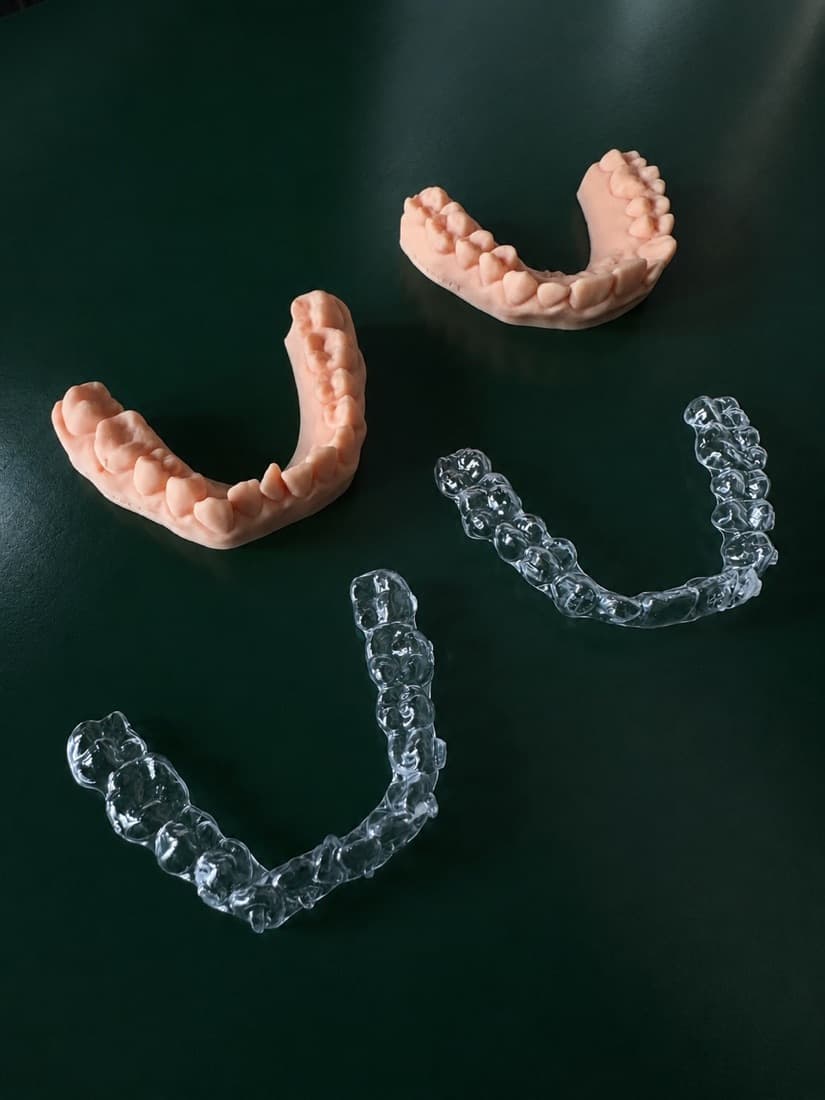
Brushing too hard, using a highly abrasive toothpaste, frequent acidic drinks, clenching, and grinding can contribute to enamel wear or gum recession. Changing the habit may reduce further irritation, although existing damage still needs evaluation.
Use a soft toothbrush, gentle pressure, and a fluoride toothpaste. A desensitizing toothpaste can take several days of consistent use before the effect becomes noticeable.
Treatment depends on the cause
Management may include fluoride application, desensitizing products, repairing a cavity or worn area, adjusting a restoration, treating gum disease, or protecting the teeth from grinding. There is no single treatment that fits every sensitive tooth.
A clinical examination may be combined with bite tests or X-rays when needed. The aim is to protect the tooth and address the source, not only to temporarily mask the sensation.
Key takeawaySensitivity is a symptom. The right treatment starts with finding the reason behind it.