Why routine dental cleaning should not be delayed
Daily brushing helps, but hardened plaque needs professional care. Learn why regular cleaning supports healthier gums and clearer treatment planning.
A routine cleaning visit is not only about removing stains. It helps your dentist evaluate gum health, plaque build-up, bite pressure, and early signs of problems before they become more complex.
What professional cleaning actually removes
Plaque that stays too long can harden into calculus. Once it becomes calculus, it cannot be removed properly with a toothbrush or floss at home.
Professional scaling removes these deposits from areas that are often missed, especially around the gumline and between teeth.
Why six-month visits are commonly recommended
Most patients benefit from cleaning every six months, but the right interval depends on gum condition, lifestyle, and previous dental history.
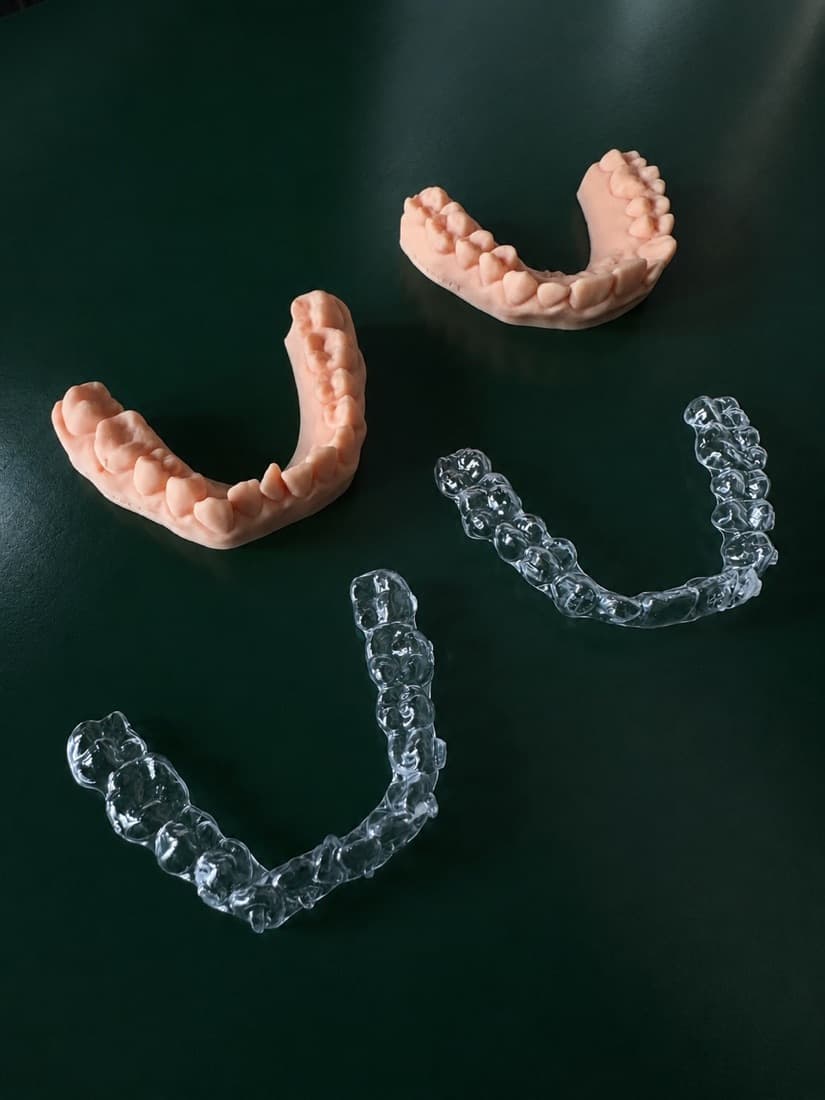
Patients with heavier calculus, bleeding gums, smoking history, or orthodontic appliances may need a more personalized schedule.
What to expect at FLOSS
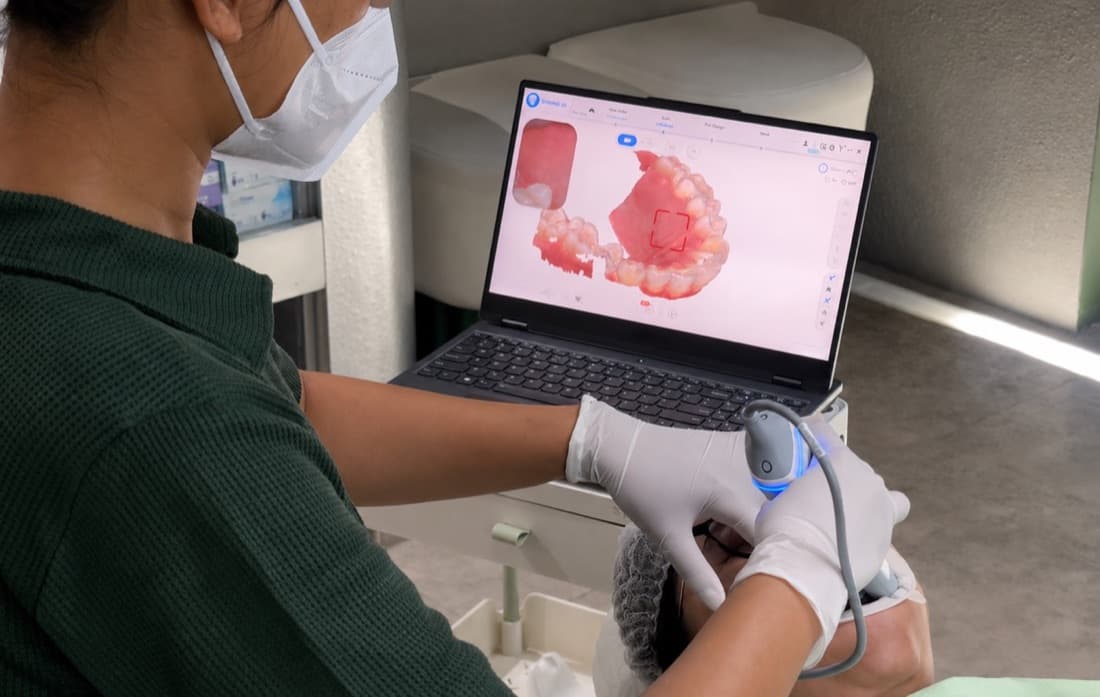
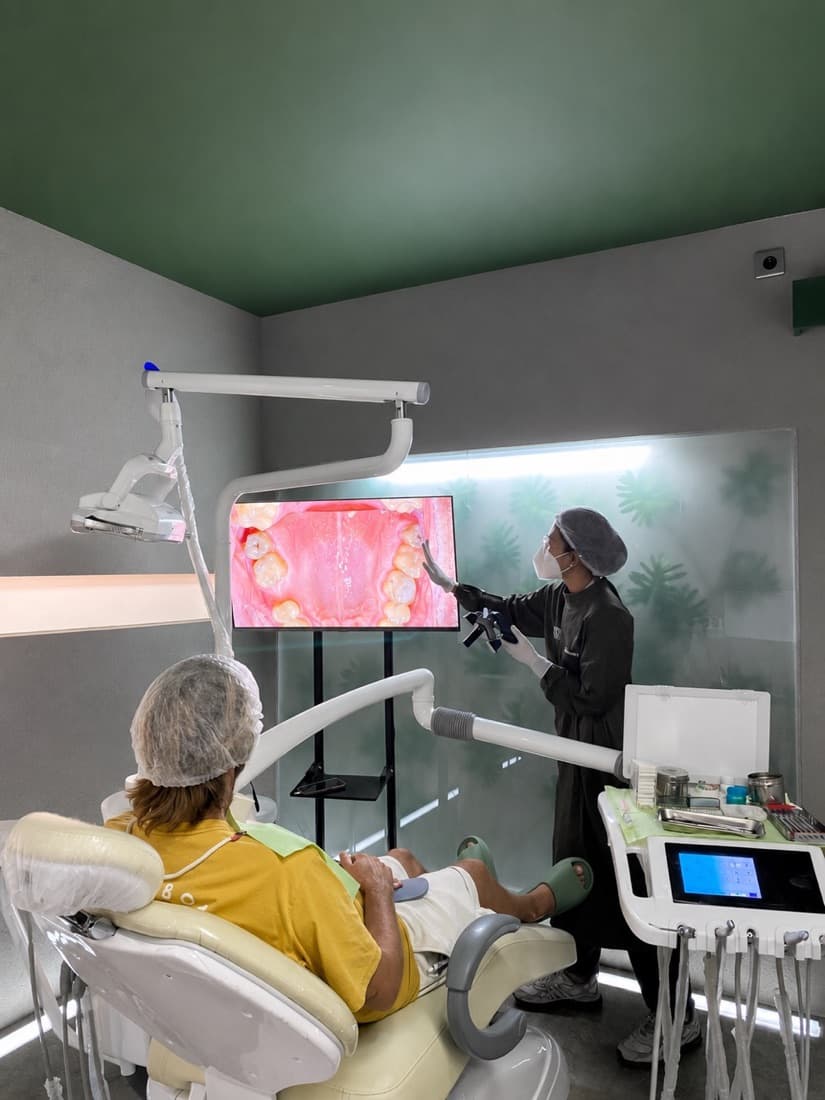
Your dentist will check your mouth first, explain what they find, and recommend the most appropriate cleaning approach for your condition.
The goal is simple: cleaner teeth, healthier gums, and clearer information for your next treatment decision.
Signs that a cleaning may be overdue
Bleeding when brushing, persistent bad breath, a rough feeling behind the lower front teeth, or visible yellow-brown deposits can all suggest that plaque has hardened. These signs do not always mean there is a serious problem, but they are worth checking before gum irritation progresses.
Gum disease can develop quietly. A professional examination measures more than what is visible in the mirror and helps distinguish simple gingivitis from a condition that needs deeper periodontal care.
How to maintain the result at home
Brush twice a day with a soft toothbrush and fluoride toothpaste, then clean between the teeth with floss or an interdental brush. The right interdental tool depends on the size of the spaces and whether you have braces, bridges, or implants.
Technique matters more than force. Aggressive brushing can irritate the gums and wear the tooth surface, while gentle, consistent cleaning removes plaque more effectively over time.
When cleaning needs a different approach
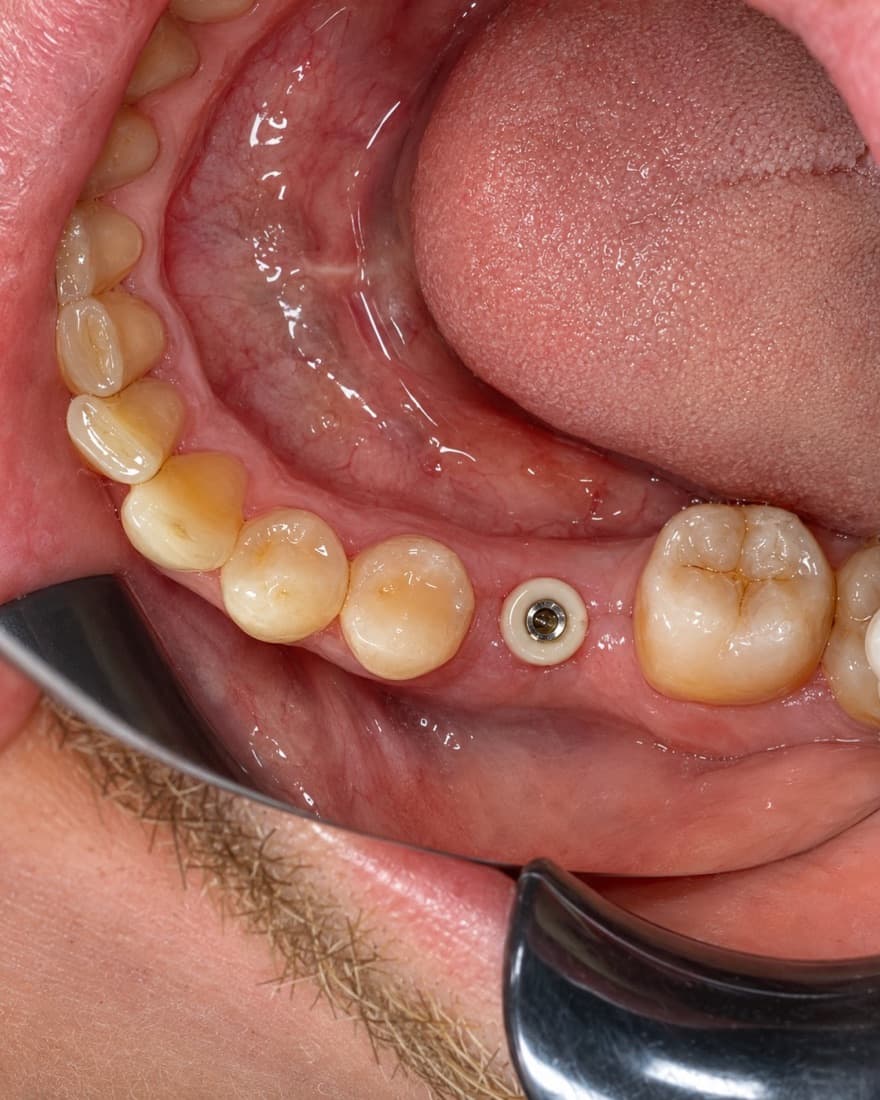
Patients with active gum disease, heavy deposits, sensitive roots, implants, or orthodontic appliances may need a longer visit or more than one session. Your dentist should explain this after examining the gums and taking any necessary records.
A routine cleaning is preventive care, not a substitute for treating cavities or periodontal disease. Clear diagnosis ensures that the treatment matches the condition rather than relying on a one-size-fits-all schedule.
Key takeawayIf it has been more than six months since your last cleaning, a checkup is the safest place to start.