Digital scanning makes smile planning more precise
Modern scans help dentists explain findings visually, plan treatment with better detail, and reduce guesswork during aesthetic cases.
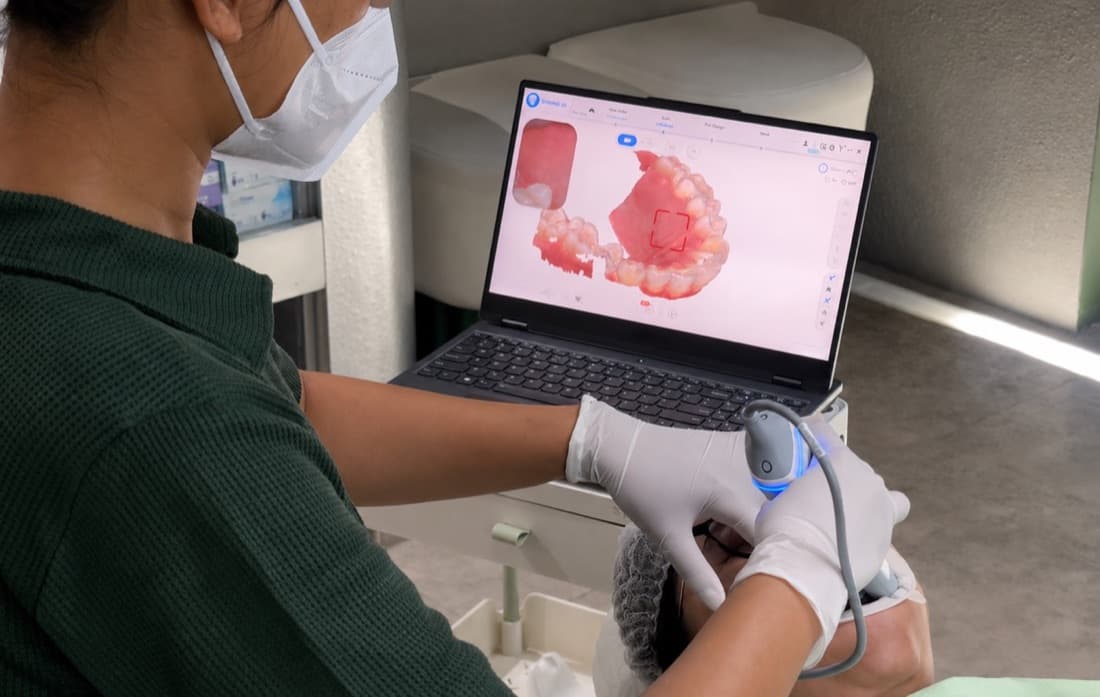
Digital scanning helps patients see what dentists see. It turns complex treatment planning into a clearer conversation about shape, bite, proportion, and expected results.
A clearer view of your starting point
Scans can capture tooth shape, spacing, wear, and bite relationships in detail. This helps the dentist explain why a treatment is recommended.
For aesthetic cases, visual planning helps align expectations before treatment begins.
Better communication between dentist and patient
When patients can see the issue on screen, it becomes easier to understand options and compare treatment paths.
This is especially helpful for smile makeover, veneers, crowns, aligners, and complex restorative planning.
Technology supports, not replaces, clinical judgment
Digital tools are only useful when paired with a careful examination and honest clinical recommendation.
At FLOSS, technology is used to make planning clearer and more predictable.
What happens during a digital scan
A small scanning camera captures many images of the teeth and combines them into a three-dimensional model. The process does not use conventional impression material and can often be paused if the patient needs a break.
The model can be reviewed immediately to check whether the important areas have been captured. This reduces the chance of repeating an impression because of bubbles, distortion, or missing detail.
Where digital planning is most useful
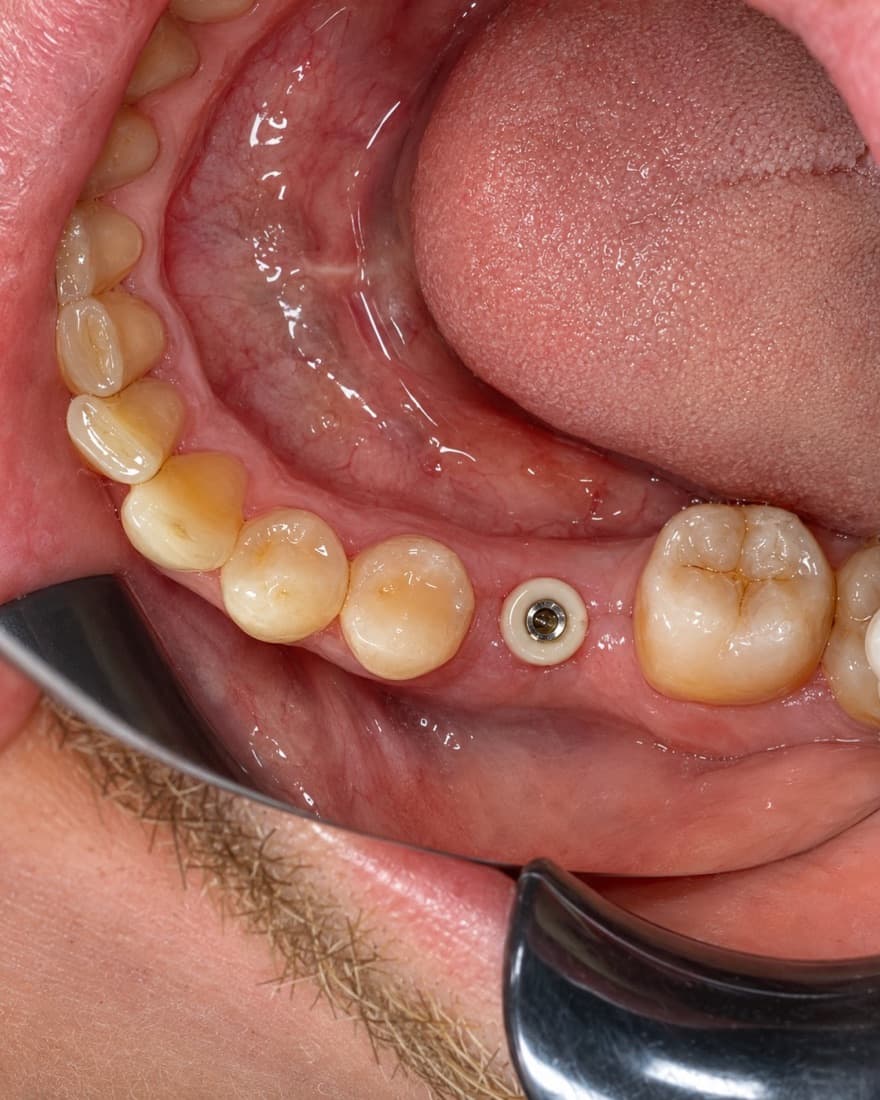
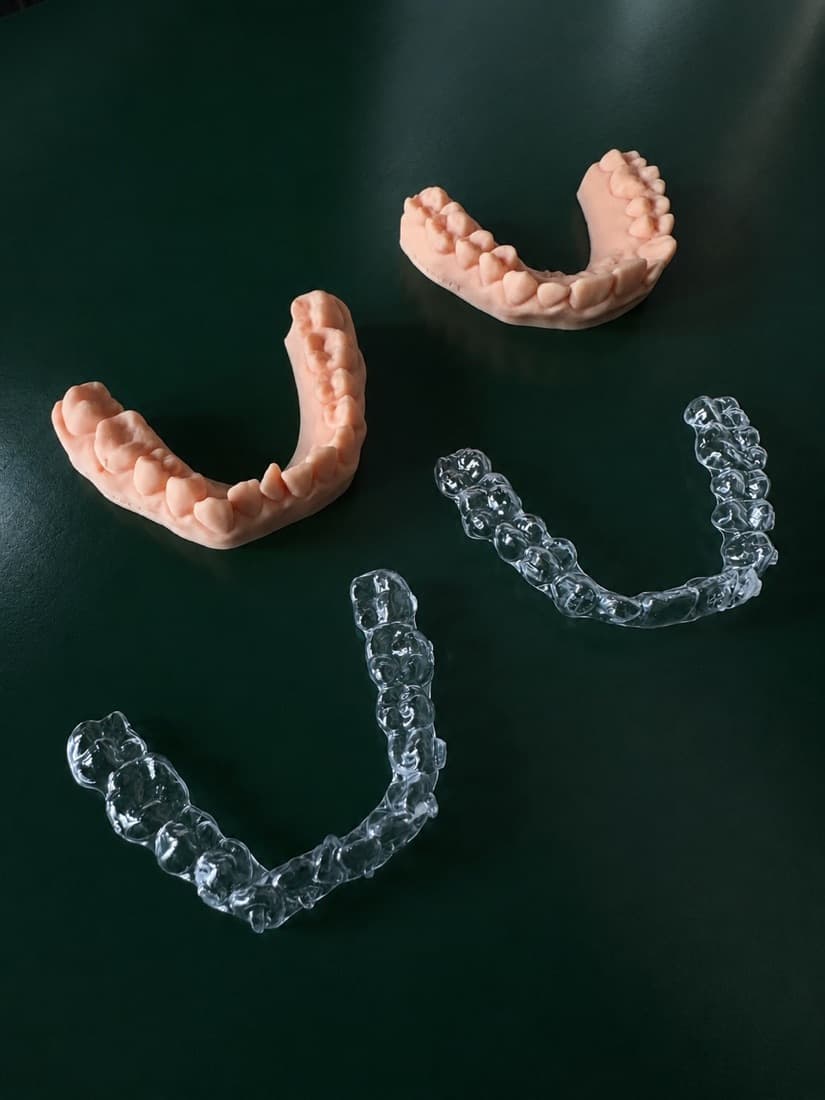
Scans can support aligner planning, crowns, veneers, implants, retainers, night guards, and monitoring changes over time. They also make it easier for dentists and dental laboratories to exchange precise records.
For smile design, digital simulations can help explain possible directions, but they are a planning aid rather than a guarantee. Gum health, bite, tooth structure, and biological limits still guide the final result.
Questions worth asking before treatment
Ask which parts of the plan are simulations, which outcomes are predictable, and what alternatives are available. A responsible plan should also explain maintenance, limitations, possible refinements, and the expected treatment sequence.
Technology is most valuable when it improves understanding. You should leave the consultation knowing what will be changed, why it is recommended, and what the next step involves.
Key takeawayThe best smile plan is visual, realistic, and built around your actual dental condition.