When should children start visiting the dentist?
A positive first visit can shape how children feel about dental care. This guide explains when to start and what parents can expect.
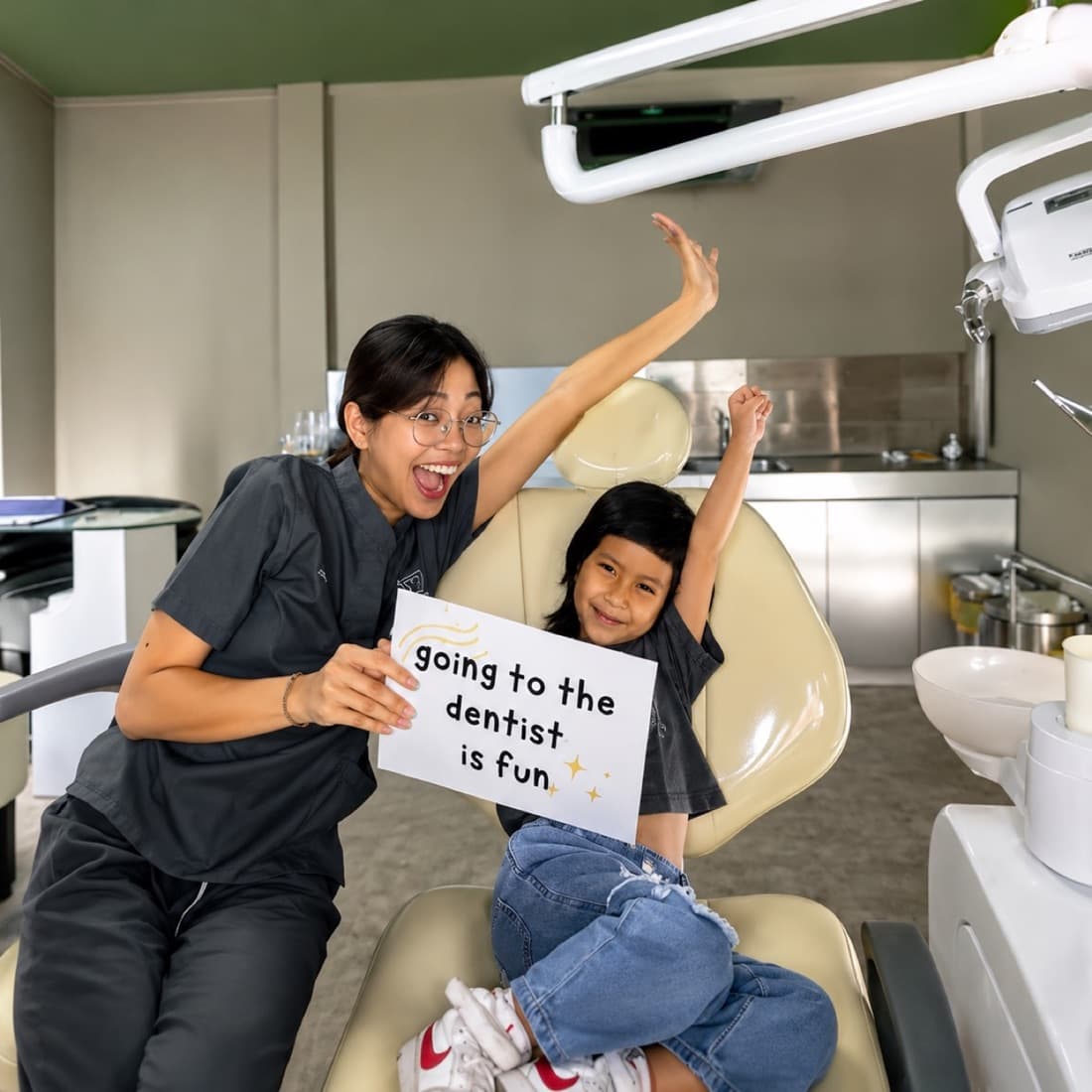
Children do better with dental care when the first visit feels calm, simple, and not rushed. Early visits are about prevention and building trust.
Start before there is pain
A first visit is easier when the child is not already in discomfort. The dentist can check growth, brushing habits, early cavities, and diet-related risks.
Parents also get practical guidance on cleaning, fluoride, and habits such as thumb sucking or bottle feeding.
Make the visit feel familiar
Simple explanations help children feel safer. Avoid using scary words before the appointment and let the dental team introduce tools gently.
Short, positive visits can build confidence for future care.
Care is adjusted to the child
Every child responds differently. Pediatric dental care should be patient, flexible, and focused on comfort as much as clinical outcomes.
At FLOSS, the team explains each step clearly to both child and parent.
How parents can prepare at home
Describe the visit in simple, positive language: the dentist will count the teeth, look at the smile, and help keep it healthy. Avoid promising that nothing will happen, because the dentist may still need to clean or examine a sensitive area.
Bring information about medical history, allergies, medicines, brushing habits, and any concerns about eating, speech, sleep, or tooth development. These details help the visit stay focused and useful.
What the dentist checks
A preventive visit may include checking tooth eruption, enamel development, cavities, gum health, bite growth, and habits that affect the mouth. The dentist may also assess whether fluoride or protective sealants are appropriate.
Not every child needs an X-ray at the first visit. The decision depends on age, symptoms, cavity risk, spacing, and what can be seen during the examination.
Building a routine after the first visit
Children benefit from a consistent brushing routine with age-appropriate fluoride toothpaste and adult supervision. Young children usually do not have the coordination to clean every surface independently.
Follow-up intervals are based on individual risk. Regular, calm visits help the child become familiar with the environment and allow small changes to be addressed before they become emergencies.
Key takeawayThe best first dental visit is usually a calm preventive visit, not an emergency visit.