Are Dental Implants in Bali Safe?
Considering dental implants in Bali? Learn the real risks, treatment timeline, current FLOSS pricing and what to check before you book.
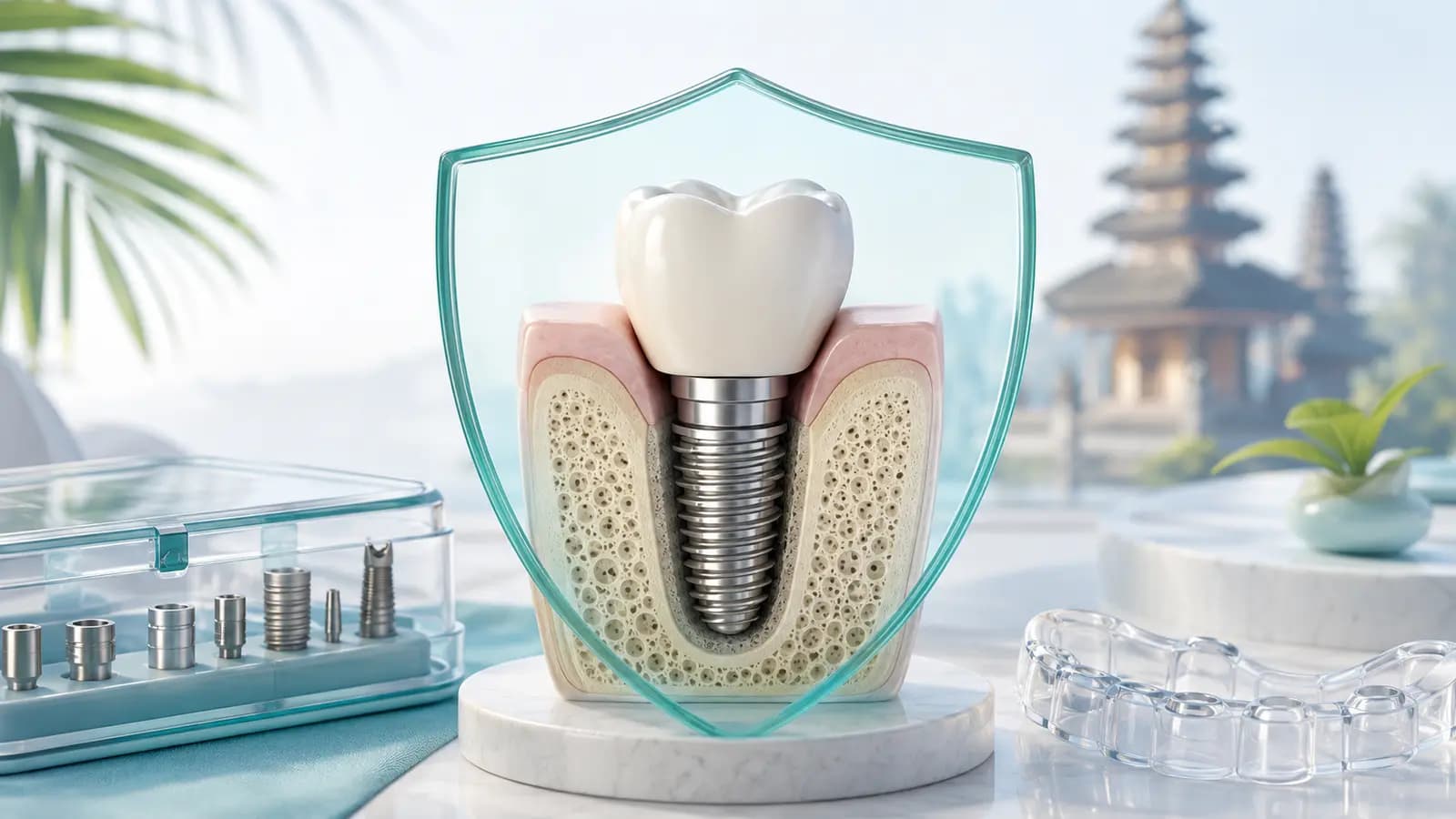
Dental implants in Bali can be safe, but “safe” does not mean risk-free or finished in one appointment. The outcome depends more on your bone and gum health, medical history, implant position and follow-up care than on the country where treatment takes place.
If you are considering dental implants in Bali, look beyond before-and-after photos and a headline price. You need to know whether an implant suits your case, who is responsible for the surgical and restorative stages, and how reviews will work once you return home.
So, Are Dental Implants Safe?
For an appropriate patient, dental implants are generally a safe treatment. They still involve surgery in the jawbone, so recognised risks include infection, nerve injury, sinus complications for some upper implants, or failure of the implant to integrate with bone.
Good planning reduces these risks. A careful clinician will not rush straight to surgery. Active infection, gum health, bone volume, nearby nerves or sinuses, bite forces and medical factors all need to be considered before an implant is placed.
Implant Safety Starts Before Surgery
1. Infection and gum disease need attention first
Implants rely on healthy supporting tissue. Bleeding gums, active gum disease, retained roots or infection around the future implant site may need treatment first. Placing an implant in an unstable environment can make healing and long-term maintenance more difficult.
2. The bone and nearby anatomy need to be mapped
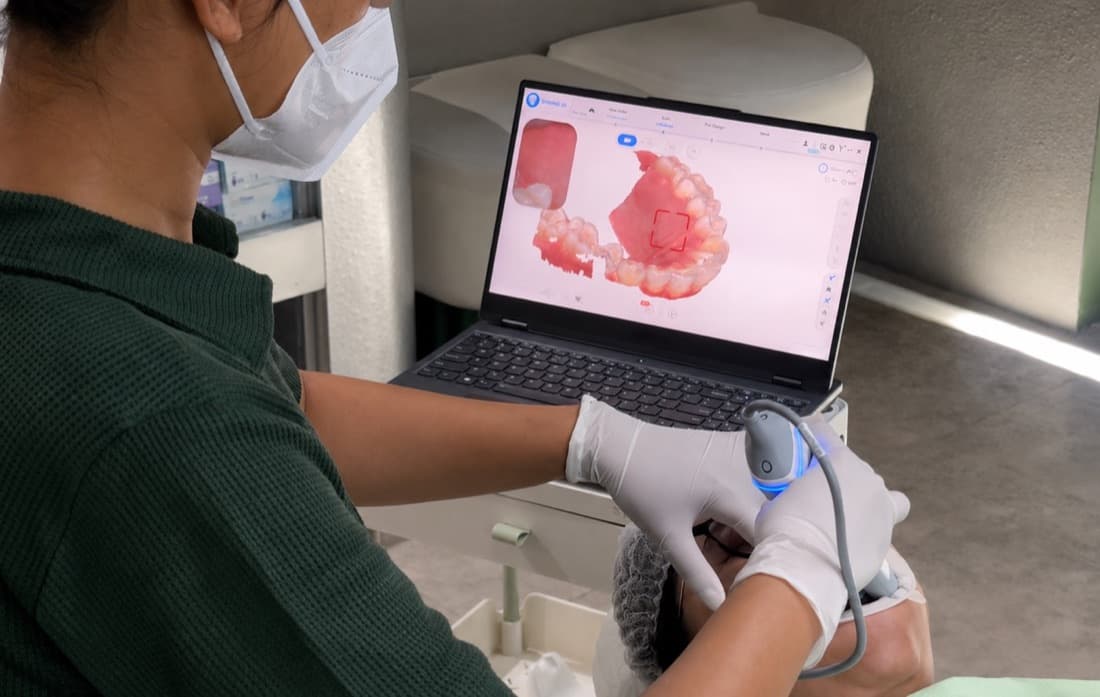
Dental X-rays provide an initial view of the treatment area. In selected cases, CBCT imaging gives three-dimensional information about the jawbone, nerves and sinus. This is not simply a box to tick: it helps the dentist choose an implant size and position that supports the final tooth.
3. The crown should guide the plan
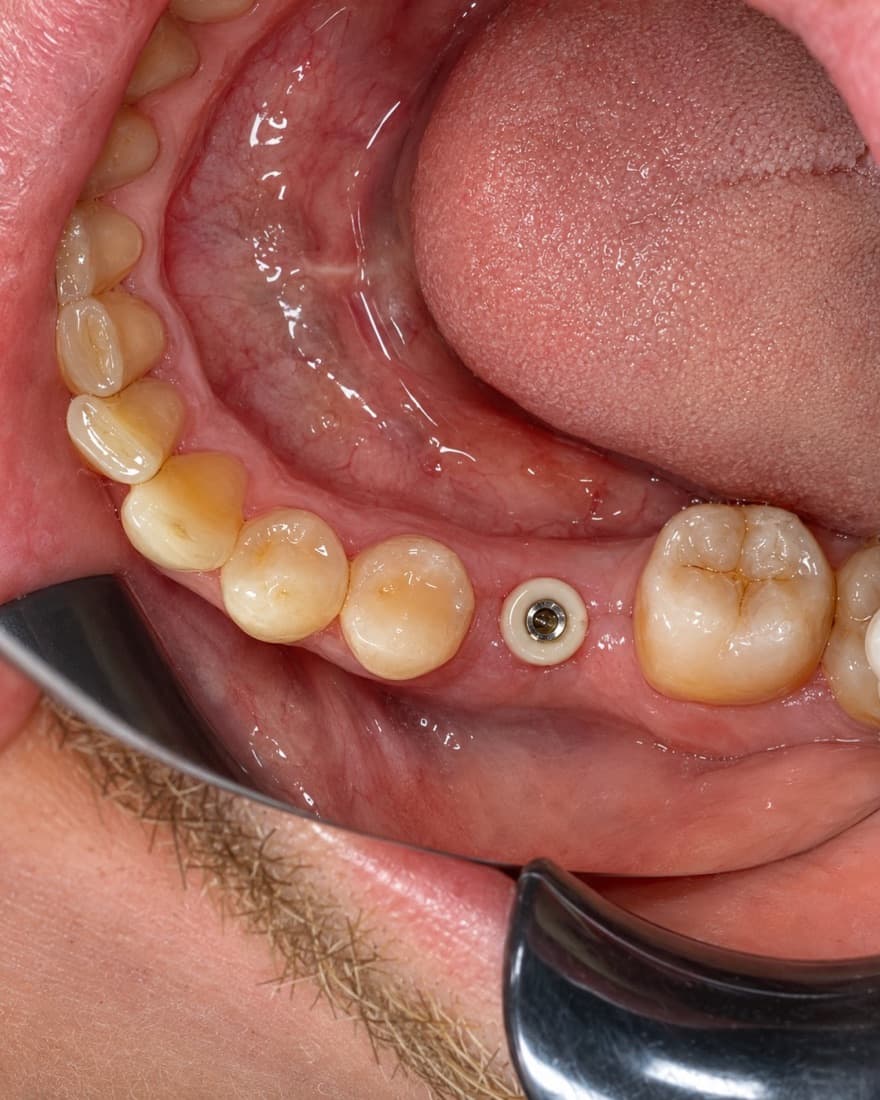
An implant replaces the root, not the whole tooth. An abutment and crown still need to fit your bite, look natural and remain cleanable. That is why the surgical position and the final restoration should be planned together. You can also see how crowns and bridges are used to restore damaged or missing teeth.
4. Your medical history matters
Tell your dentist if you smoke or vape, have diabetes, have received radiotherapy to the head or neck, have an immune condition, or take medicines that affect bone metabolism. These factors do not always rule out implants, but they may change the risk, timing or need to coordinate with your doctor.
Who Needs a More Careful Assessment?
A suitable candidate usually has stable gums, enough bone or a realistic plan to rebuild it, good plaque control and well-managed general health. You also need to be willing to protect the implant during healing and maintain it after the final crown is fitted.
Extra assessment is important if you have uncontrolled gum disease or diabetes, heavy smoking, tooth grinding or limited bone. Depending on the findings, your dentist may recommend preliminary treatment, a night guard, bone grafting, or a non-implant alternative.
What Does a Well-Planned Implant Process Look Like?
- Consultation and diagnosis. Your dentist checks the teeth, gums, bite, photographs and any necessary imaging.
- Site preparation. Infection and gum disease are addressed. Extraction or bone grafting is performed only when needed.
- Implant placement. Local anaesthetic numbs the area before the implant is positioned according to the plan.
- Healing and restoration. The bone is allowed to integrate with the implant before the final abutment and crown are fitted.
A temporary tooth may be possible in some cases, but “same-day teeth” does not mean the bone has healed. Chewing pressure still needs to be controlled until your dentist confirms the implant is ready for its final restoration.
How Long Does It Take and What Does It Cost at FLOSS?
FLOSS currently lists a titanium dental implant with a zirconia crown at Rp18,000,000, with an estimated treatment period of three to four months. If additional bone is needed, bone grafting is listed at Rp3,500,000–Rp5,000,000. An additional surgical-guide hole is listed at Rp750,000 during the planning stage.
Your final quote depends on the examination and treatment plan. For broader context, compare these figures with FLOSS’s guide to dental treatment costs in Bali.
For travellers, the timeline matters as much as the fee. Leave room for an early review and do not book a flight too close to surgery without your dentist’s advice. The guide to flying after dental treatment in Bali can help you build a more realistic itinerary.
What Is Normal, and When Should You Call the Dentist?
Mild soreness, swelling, bruising or light bleeding can occur during the first few days. These symptoms should be manageable with the instructions and medication provided by your dentist, then gradually improve.
Contact the clinic promptly if pain or swelling worsens after initially improving, you develop fever or pus, bleeding is hard to control, numbness persists or increases, the implant feels mobile, or you have difficulty breathing or swallowing. If symptoms develop while you are still in Bali, do not wait until you fly home to seek care.
A Practical Checklist Before You Book
- Ask for the diagnosis and the reason an implant is recommended.
- Discuss alternatives such as a bridge or removable denture.
- Confirm whether X-rays, CBCT, extraction or grafting may be needed.
- Request the name and traceable details of the implant system.
- Check exactly what the quote includes, including the crown and reviews.
- Discuss healing, flying and follow-up care in Australia.
- Keep copies of scans, photographs, the surgical report and implant card.
Choose a Plan You Can Understand
The best treatment is not always the fastest one. It is the option that suits your mouth, health and travel schedule. If you want to discuss dental care without pressure, find a dentist Bali option for an in-person assessment, or plan your next step with Floss Dental, start with a consultation so every stage has a clear reason.
FAQ About Dental Implants
What are the side effects of dental implants?
Common short-term effects include mild soreness, swelling, bruising and light bleeding. Less common complications include infection, nerve injury, sinus problems or failure of the implant to integrate with bone.
How long do dental implants last?
Implants are designed as a long-term tooth replacement and can last for many years with healthy gums, good oral hygiene and regular reviews. The crown attached to an implant can wear and may need replacement before the implant itself.
Can a dental implant fail?
Yes. Failure can occur if the implant does not integrate with bone, infection develops, the bite places too much force on it, or the surrounding tissues are not maintained. Careful case selection and regular reviews help reduce the risk.
Is it safe to have a dental implant?
It is generally safe for a suitable patient when diagnosis, surgery and follow-up are handled carefully. Your dentist still needs to assess your gums, bone, bite and medical history before recommending treatment.