How to keep your smile bright after whitening
Simple aftercare choices can help whitening results last longer. Here are the habits, foods, and drinks to watch after treatment.
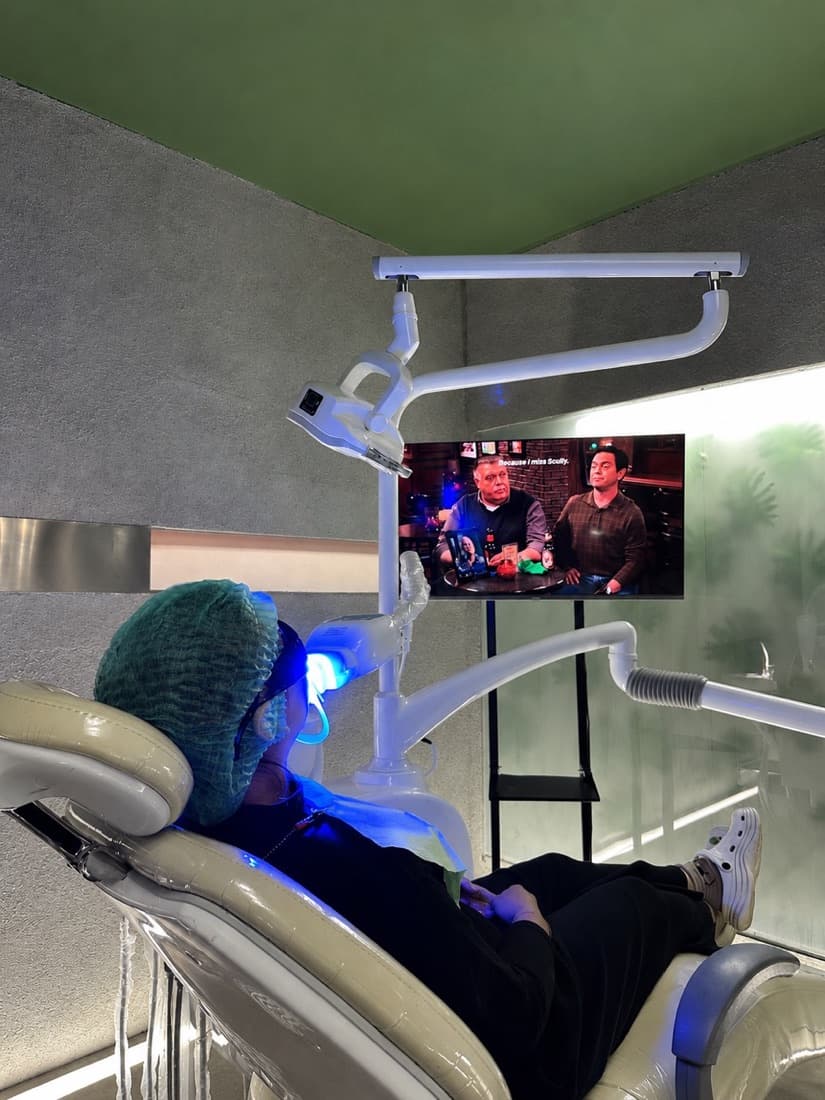
Whitening can brighten your smile quickly, but the way you care for your teeth afterward affects how long the result stays visible.
Be mindful during the first 24-48 hours
After whitening, teeth can be more receptive to color from food and drinks. Coffee, tea, red wine, turmeric-heavy food, and dark sauces are best limited at first.
Water, lighter meals, and gentle brushing help protect the result while your teeth settle.
Sensitivity can be managed
Some temporary sensitivity is normal. Your dentist can adjust the whitening plan and recommend supportive care if your teeth are naturally sensitive.
Avoid very cold drinks immediately after treatment if sensitivity appears.
Maintenance matters
Regular cleaning helps remove surface stains before they build up. Good home care also keeps whitening results looking cleaner for longer.
For frequent coffee or tea drinkers, maintenance appointments can help keep the shade more consistent.
Foods and drinks that stain most easily
Coffee, black tea, red wine, cola, soy sauce, berries, and strongly pigmented spices can gradually darken the tooth surface. You do not have to avoid them forever, but reducing frequency and rinsing with water afterward can limit repeated exposure.
Using a straw for cold, dark drinks may reduce contact with the front teeth. Wait about 30 minutes before brushing after acidic food or drinks so the enamel surface has time to recover.
What whitening can and cannot change
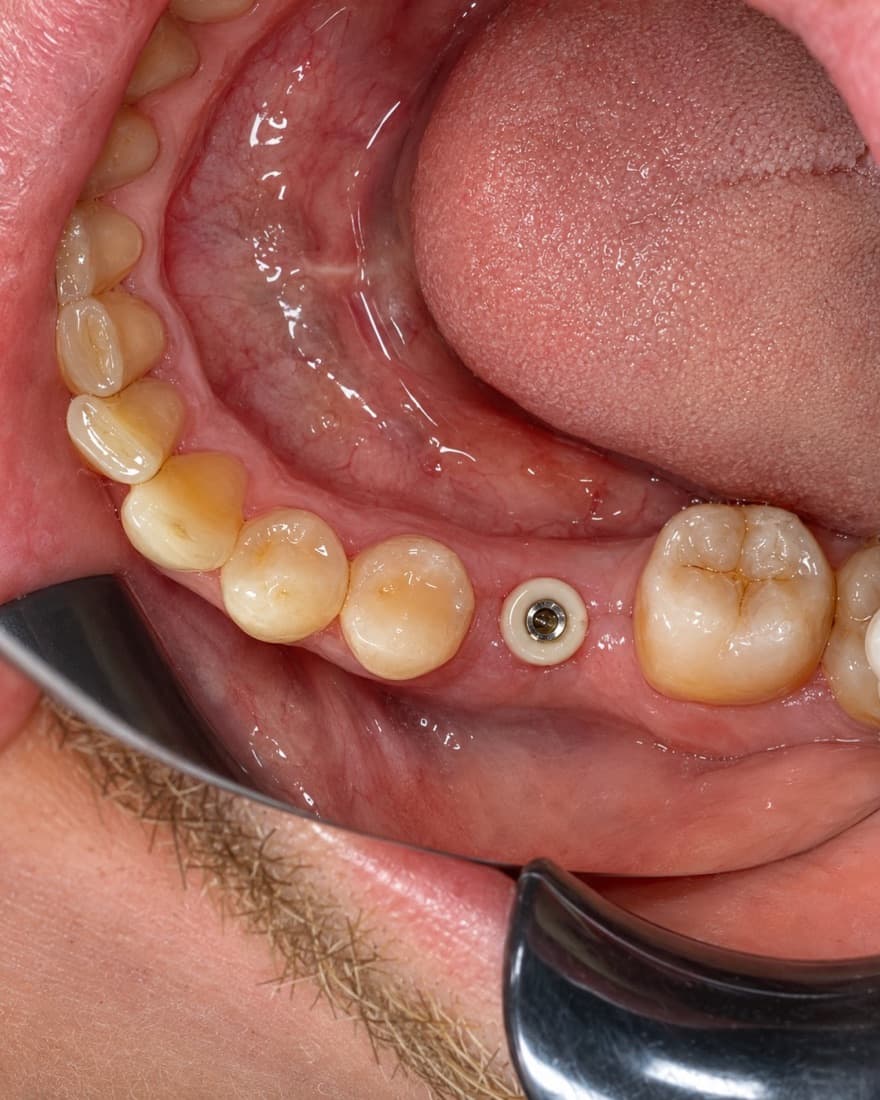
Whitening changes the shade of natural tooth structure. Fillings, crowns, veneers, and dentures do not whiten in the same way, which is why existing restorations need to be considered before treatment begins.
If a front restoration no longer matches after whitening, your dentist can discuss whether replacement is necessary. Planning the sequence first usually creates a more consistent result.
When a touch-up may be considered
The result varies with the original shade, diet, smoking, oral hygiene, and the whitening method used. Some patients maintain a bright result for a long time, while others may prefer periodic touch-ups.
Touch-ups should follow a dental assessment rather than a fixed calendar. Repeated whitening without supervision can increase sensitivity and may not address stains caused by decay, cracks, or old restorations.
Key takeawayWhitening works best when it is planned around your tooth condition, sensitivity level, and lifestyle.