A Mouth Ulcer That Won’t Heal in Seminyak: When to See a Dentist
Many common mouth ulcers improve within one to two weeks. If there is no clear improvement after two weeks, arrange an examination. An unexplained ulcer lasting three weeks or more needs prompt assessment. For a persistent mouth ulcer in Seminyak, a dentist can check whether irritation or another condition is preventing healing.These timeframes are not […]
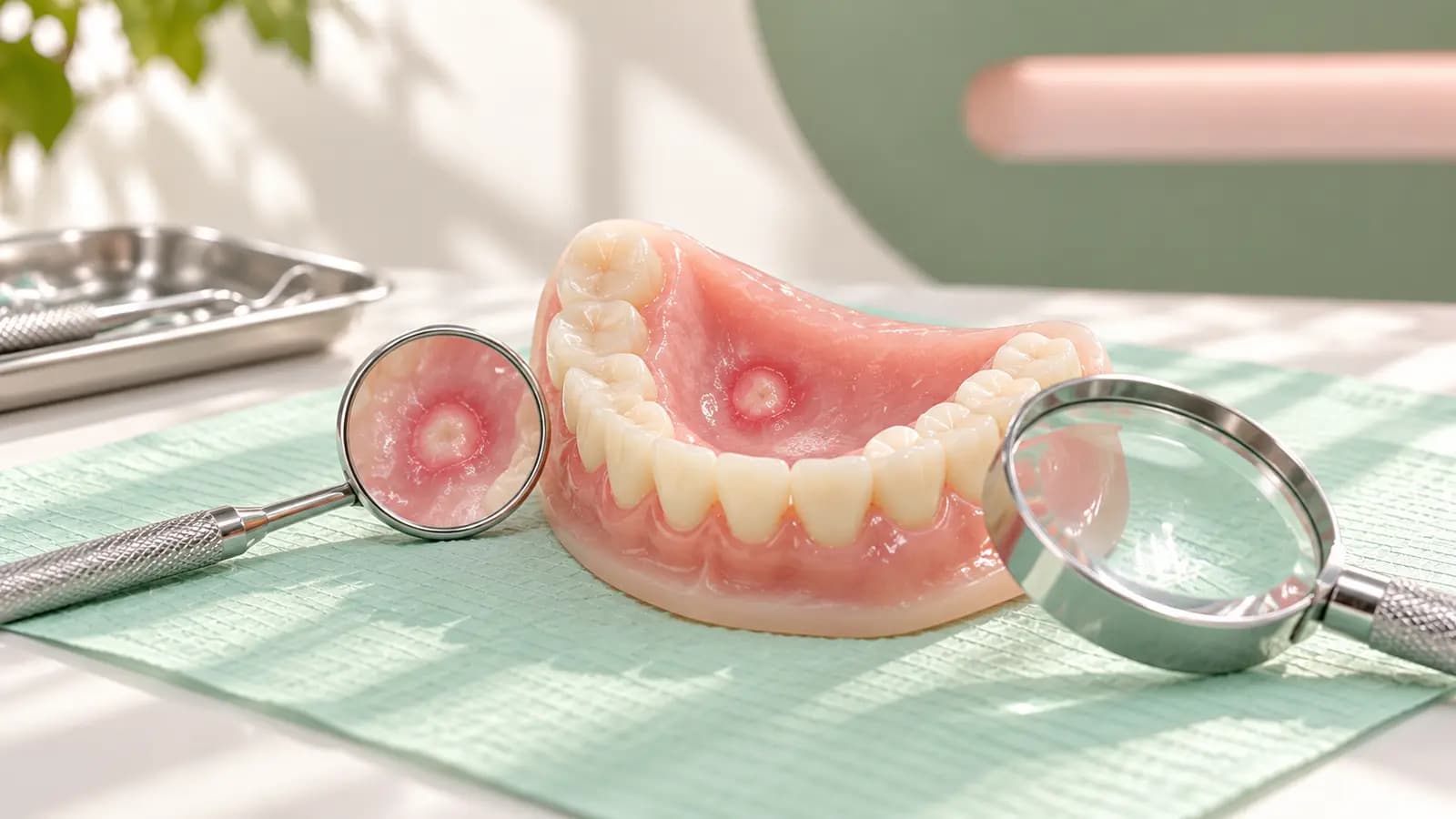
Many common mouth ulcers improve within one to two weeks. If there is no clear improvement after two weeks, arrange an examination. An unexplained ulcer lasting three weeks or more needs prompt assessment. For a persistent mouth ulcer in Seminyak, a dentist can check whether irritation or another condition is preventing healing.
These timeframes are not a reason to wait when other concerning changes are present. An enlarging ulcer, unusual bleeding, a lump, or a sore that differs from previous episodes should be reviewed sooner. Difficulty drinking that leads to dehydration also requires help.
A mouth sore is not always a routine canker sore
Aphthous ulcers, often called canker sores, are one cause of mouth ulceration. Other causes include biting the cheek, a sharp tooth, a rough filling, braces, or a denture rubbing against tissue. Certain infections, medicines, and health conditions can produce similar-looking sores.
Repeated friction can keep an ulcer from healing even when a gel makes it less painful. Treatment therefore needs to consider the site and source of irritation. Photographs can document changes, but cannot replace an examination of the tissue.
When to arrange a review sooner
Book an assessment for an ulcer that has not improved after two weeks, repeatedly returns without a clear symptom-free interval, or is much larger or more painful than usual. An ulcer lasting three weeks, especially without an obvious traumatic cause, should not be left unchecked.
Persistent red or white patches, a lump in the mouth or neck, unusual bleeding, altered speech, and swallowing difficulties also need assessment. These symptoms do not automatically mean cancer, but their cause should be investigated.
Seek medical help sooner if sores prevent adequate fluid intake, or if fever accompanies a deterioration in your general condition. Breathing problems or severe swallowing difficulty require immediate medical care.
Why ulcers may persist or recur
Depending on your history, the clinician may consider repeated trauma, medicines, immune-related conditions, or other health problems. Nutritional deficiency can contribute in some people, but not every ulcer is caused by a lack of vitamins.
Mention sores elsewhere on the body, digestive symptoms, joint pain, or unintentional weight changes. These details can help establish whether a GP or specialist should be involved alongside dental care.
What happens during a mouth-ulcer assessment?
- The dentist asks about duration, recurrence, medicines, habits, and associated symptoms.
- The ulcer is examined for its location, size, appearance, surrounding tissue, and possible friction.
- Local factors such as a sharp tooth or an ill-fitting denture are assessed and addressed where appropriate.
- Further investigations or referral are considered if the cause is unclear or suspicious features are present.
Some cases need blood tests or a tissue sample, but not every ulcer does. A recommended biopsy is a diagnostic step. It does not in itself mean a cancer diagnosis has already been made.
Reduce irritation while you arrange care
- Choose softer foods and avoid very spicy, acidic, hot, or rough foods if they worsen discomfort.
- Use a soft toothbrush and continue cleaning gently.
- A warm salt-water rinse may help with comfort; spit it out.
- Ask a pharmacist or clinician about suitable pain relief, mentioning age, pregnancy, and relevant health conditions.
- Do not place aspirin, harsh substances, or concentrated solutions on the ulcer. Avoid self-prescribing antibiotics or steroids.
Pain relief can make eating easier, but less pain does not prove the underlying cause has resolved. Do not try to file down a sharp tooth yourself. A dentist should assess and manage the source of repeated irritation.
Details that help your consultation
Record when the sore first appeared, whether it always affects the same place, and how it has changed. Bring earlier photographs if available, together with a list of medicines, supplements, and recently introduced oral-care products.
At the end of the appointment, clarify when to return if healing does not occur. A review helps determine whether correcting a local factor was sufficient or further investigation is needed.
It is also useful to distinguish one ulcer that never disappears from separate ulcers that heal and recur. Both may warrant assessment, but describing the pattern accurately helps the clinician understand your concern.
Have a persistent sore properly assessed
Arrange an examination for an ulcer that is not improving or feels different from previous episodes. Discuss dental care with a dentist Bali patients can consult at Floss Dental to assess the tissues and any need for further referral.
FAQ About Mouth Ulcers That Won’t Heal
Why is my mouth ulcer not going away?
Repeated friction, an untreated cause, medicines, or a health condition can contribute. An examination is needed to distinguish these possibilities; the same gel is not appropriate for every cause.
What can a long-lasting ulcer indicate?
Duration alone does not establish a diagnosis. Many causes are benign, but a persistent sore should also be checked to rule out more serious conditions.
How long should a mouth ulcer take to heal?
Many routine ulcers improve within one to two weeks. Arrange a review if there is no improvement after two weeks, and do not delay assessment at three weeks or when other concerning symptoms develop.