A Loose or Lost Dental Crown in Kerobokan: First Steps and Repair Options
If your crown comes off, keep it safe and contact a dentist. An intact crown may sometimes be refitted, but the tooth, crown fit, and reason for loss…
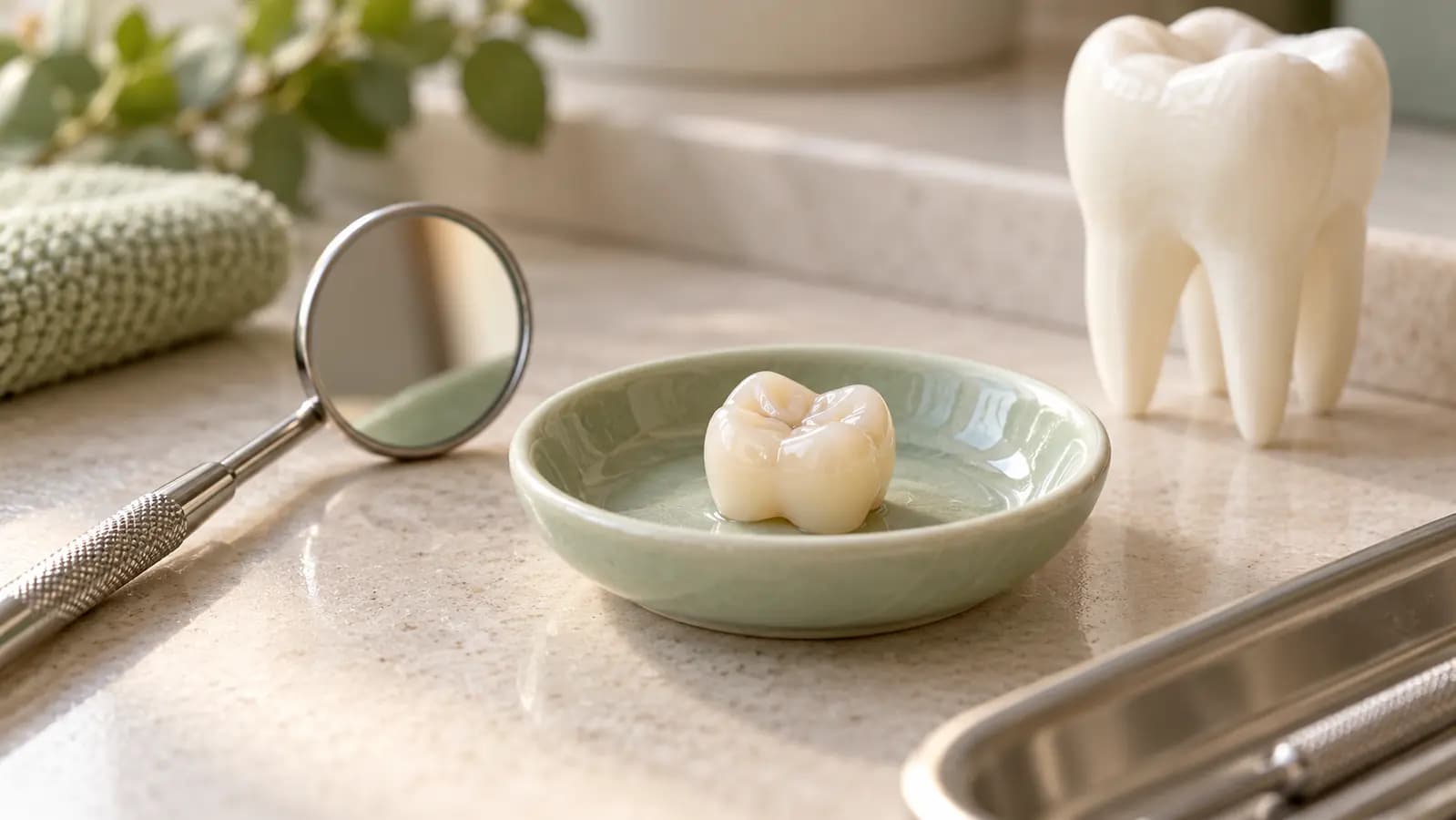
Must be assessed first. Do not use household glue.
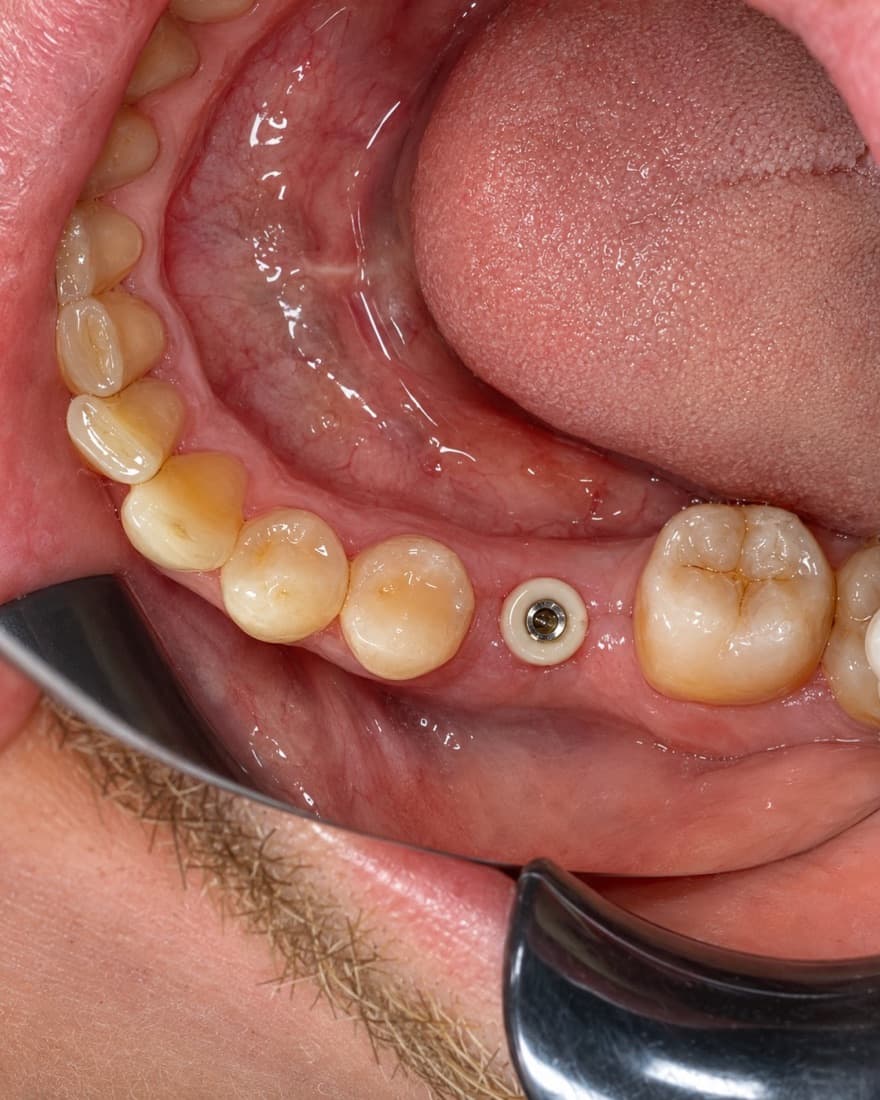
A lost dental crown in Kerobokan may not hurt, particularly on a root-canal-treated tooth. Lack of pain does not mean it can be left unprotected: the exposed tooth may still deteriorate or fracture.
Safe first steps
- Remove a fully detached crown from your mouth and place it in a clean container.
- Rinse gently and keep the tooth area clean.
- Avoid hard or sticky foods on that side.
- Do not wear a loose crown for meals or sleep because it could be swallowed or inhaled.
- Tell the clinic about pain, swelling, or any tooth fragment attached to the crown.
A crown is a restoration, not a natural tooth knocked out by an accident. Storage instructions for an avulsed tooth do not automatically apply to a detached crown.
If it is missing and you develop sudden coughing, choking, or breathing difficulty, seek emergency care to assess possible inhalation.
Why can a crown come off?
Loss of retention is one possibility, but it is not always just a cement problem. Decay near the margin, fractured tooth structure, bite forces, or grinding habits can contribute.
Repeated crown loss needs assessment of the design and supporting tooth rather than repeated refitting alone. Keep any post or tooth fragment that came out with it; do not try to put those components back yourself.
Temporary crowns also need timely advice. If one comes off between appointments, contact the treating clinic for instructions about protecting the prepared tooth.
Can the existing crown be reused?
The dentist checks whether it is intact, still fits, and has a suitable tooth to support it. The area needs assessment and cleaning before a refitting decision.
Decay or structural damage may require tooth repair, root canal treatment, or a new crown. If the tooth cannot be restored, replacement options are discussed following diagnosis.
A photograph cannot guarantee that recementing is possible. Pain is also not a reliable measure of how much healthy support remains.
What happens at the appointment?
- Examine the tooth and crown for cracks, decay, and remaining structure.
- Take radiographs when needed to assess roots and surrounding tissues.
- Check restoration fit and bite relationships.
- Discuss refitting, repair, or replacement.
- Review bite contacts after treatment and agree on follow-up.
Crown repair fees depend on the findings. Floss lists a new ceramic crown at IDR 4,500,000 per tooth over an estimated 2–3 visits. This is not a recementing fee or a statement that every detached crown needs replacement.
When is the problem more urgent?
Severe pain, swelling, fever, discharge, or a fractured tooth needs prompt assessment. Swelling with breathing or swallowing difficulty is an emergency.
While waiting, choose comfortable foods and follow appropriate pain-relief advice. Medication does not make an unstable crown safe to use.
Reducing repeat problems
- Clean crown margins and between teeth daily.
- Avoid using teeth to open packaging or bite hard objects.
- Discuss grinding habits where relevant.
- Arrange review for movement, bite changes, or recurring food trapping.
Ask the dentist whether the loss affected only the crown or also the tooth beneath it. That distinction helps explain why the next step may be more involved than applying new cement.
Assess the tooth before refitting the crown
For dental care after losing a crown, contact a dentist Bali through Floss Dental in Kerobokan. An examination can determine whether refitting or another repair is appropriate.
FAQ Seputar Lost Crowns
What should I do if my crown comes off?
Keep it safe, avoid chewing on the exposed tooth, and contact a dentist. Do not use household glue.
Can a detached crown be fitted again?
Sometimes, if it remains suitable and the supporting tooth is healthy enough. Examination determines this.
Can a permanent crown become loose?
Yes. Retention, tooth damage, and bite forces can contribute. The cause needs attention to reduce recurrence.