Pericoronitis in Kerobokan: Swollen Gums Around a Wisdom Tooth
Pericoronitis is inflammation, often with infection, of the gum tissue covering part of an erupting tooth. It commonly affects partially erupted lower wisdom teeth. If you have swelling around a wisdom tooth in Kerobokan, a dental examination can distinguish pericoronitis from decay, another infection, or a different cause of pain. Even mild symptoms that keep […]
Pericoronitis is inflammation, often with infection, of the gum tissue covering part of an erupting tooth. It commonly affects partially erupted lower wisdom teeth. If you have swelling around a wisdom tooth in Kerobokan, a dental examination can distinguish pericoronitis from decay, another infection, or a different cause of pain.
Even mild symptoms that keep returning deserve an assessment. Seek urgent dental care for increasing swelling, fever, or progressively limited mouth opening. Difficulty breathing or swallowing, including an inability to swallow saliva, requires emergency medical care.
Why a partially erupted tooth can cause gum inflammation
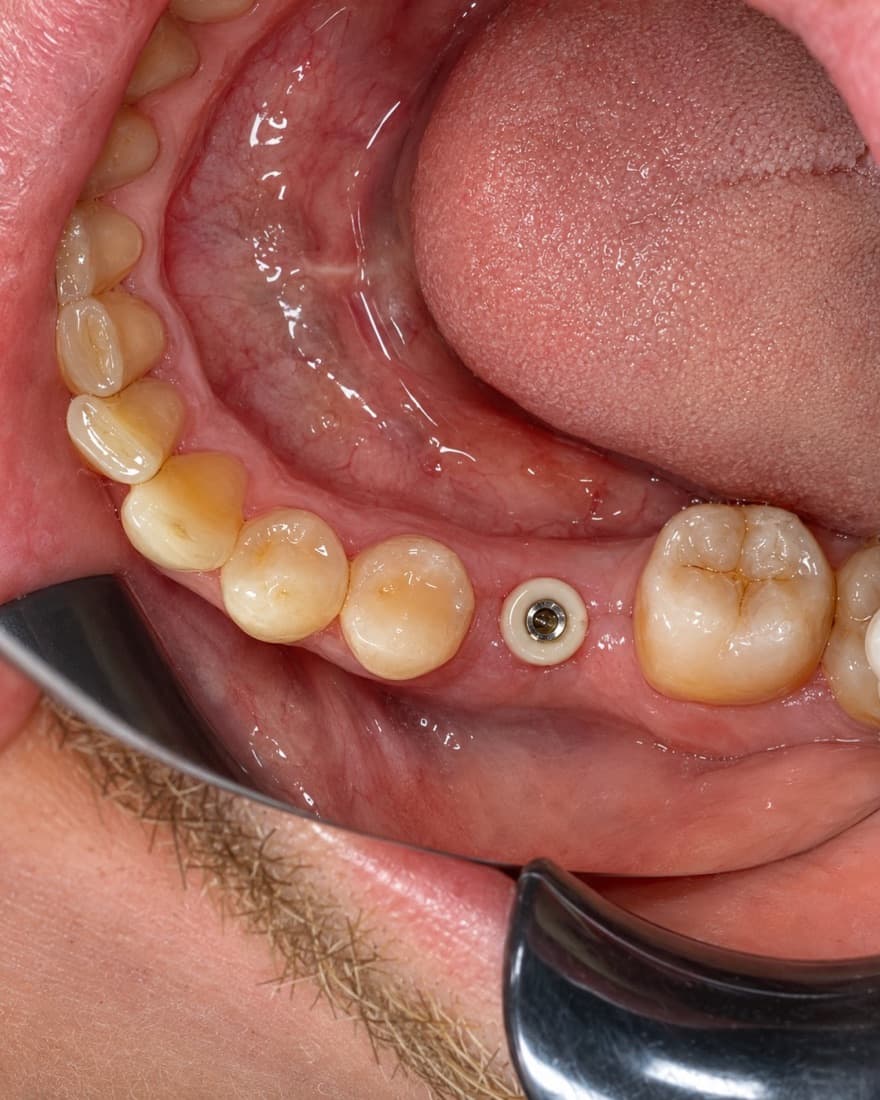
A flap of gum over part of a tooth can leave a space that is difficult to clean. Food and plaque may collect underneath it. The opposing tooth can also bite onto the flap and irritate the tissue.
This is more than a simple question of discomfort while a tooth emerges. Available space, tooth position, and access for cleaning affect the likelihood of repeat episodes. A photograph or the location of pain alone cannot confirm the diagnosis.
Symptoms to watch for
Symptoms may include pain at the back of the jaw, red or swollen gum tissue, an unpleasant taste, or odour from the affected area. Chewing may become uncomfortable, and the mouth may not open as freely as usual.
Facial swelling, fever, or worsening restriction in mouth opening can indicate a problem requiring prompt treatment. Jaw pain and restricted opening can also occur with a jaw-joint disorder, so the dentist checks for signs of infection rather than assuming the wisdom tooth is responsible.
What the dentist checks
The examination considers the gum flap, trapped debris, possible bite trauma, and the condition of both the wisdom tooth and the molar in front of it. X-rays may be needed to assess eruption direction, roots, and surrounding structures.
Explain when symptoms began, whether the same area has flared up before, and which medicines you have tried. Mention allergies, pregnancy, diabetes, or conditions affecting immunity. These details can influence treatment and how urgently care is needed.
Treatment options after assessment
| Approach | Purpose | Key consideration |
|---|---|---|
| Local cleaning and irrigation | Remove debris and deposits around the gum flap | Often an initial step |
| Pain management | Improve comfort while the cause is addressed | Medicines must suit the patient’s health |
| Antibiotics when indicated | Treat spreading or systemic infection | Not routine for every episode |
| Assessment for extraction | Address a tooth causing continuing problems | Considered for recurrent episodes or selected cases |
A diagnosis of pericoronitis does not automatically mean immediate extraction. The dentist weighs severity, the chance of functional eruption, neighbouring teeth, and procedural risks. If removal is recommended, ask about the reason, appropriate timing, and whether a referral is needed.
What you can do while arranging care
- Clean gently with a soft toothbrush. Do not push sharp objects under the gum flap.
- A warm salt-water rinse can help keep the area clean. Spit it out rather than swallowing it.
- Choose foods that are easier to chew and maintain fluid intake.
- Use pain relief only according to the label and professional advice, especially during pregnancy or with existing medical conditions.
- Do not take leftover antibiotics or start an antibiotic without assessment.
These measures are temporary support. Persistent pain or swelling still needs a dental review. Do not squeeze a pus-filled area or attempt to cut the gum yourself. Contact the clinic sooner if symptoms worsen and describe what has changed.
Plan for repeat episodes
After the inflammation settles, the area still needs monitoring. The dentist can demonstrate cleaning at the back of the mouth and assess whether the tooth position allows reliable long-term hygiene.
Keep a record of recurrences in the same area, including how often they happen and whether they interfere with eating or daily activities. This helps inform a lasting plan instead of relying on repeated courses of medicine. If the tooth is retained, attend the recommended reviews.
Before leaving, make sure you understand which symptoms should bring you back sooner. A clear follow-up plan is particularly useful when an initial appointment focuses on settling the acute episode rather than making every long-term decision that day.
Find the cause of wisdom-tooth swelling
Arrange an examination of the wisdom tooth and surrounding gum. Discuss dental care with a dentist Bali patients can consult at Floss Dental, so initial treatment and any decision about retention or extraction follow the clinical findings.
FAQ About Pericoronitis
Can pericoronitis heal?
Symptoms often improve with appropriate local cleaning and treatment. If the tooth position and gum flap continue to make cleaning difficult, inflammation may return and a longer-term plan is needed.
What treats pericoronitis?
Local cleaning and pain management are important parts of care. Antibiotics are reserved for clinical indications, such as spreading or systemic infection, following a professional assessment.
Does pericoronitis always require extraction?
No. Recurrent episodes, associated disease, difficult tooth position, and severity can affect the decision. An examination and any necessary imaging help determine the appropriate option.