Inlays and Onlays in Bali: When Are They Chosen Instead of a Filling or Crown?
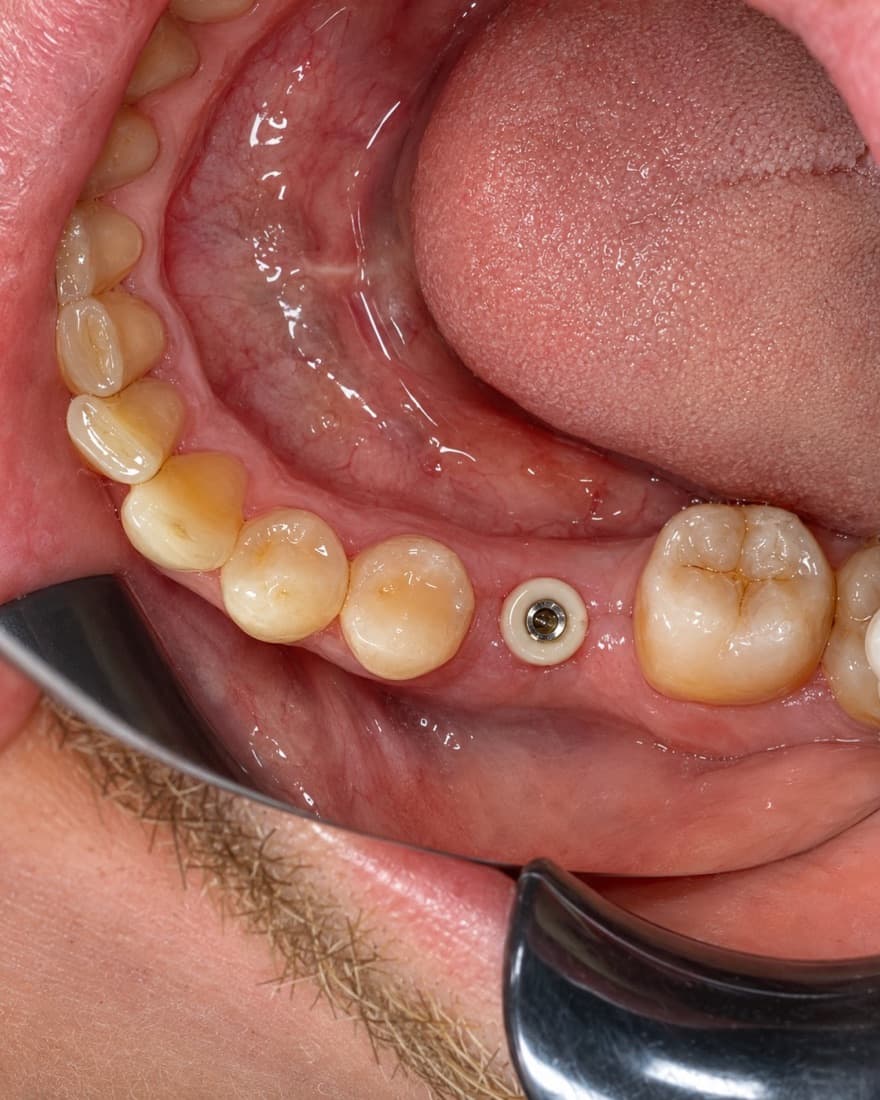
Inlays and onlays are restorations made outside the mouth and fitted to replace damaged tooth structure. An inlay sits between the cusps of the chewing surface, while an onlay also covers one or more cusps needing protection. When comparing inlays and onlays in Bali, consider the remaining tooth structure as well as the visible size […]
Inlays and onlays are restorations made outside the mouth and fitted to replace damaged tooth structure. An inlay sits between the cusps of the chewing surface, while an onlay also covers one or more cusps needing protection. When comparing inlays and onlays in Bali, consider the remaining tooth structure as well as the visible size of the cavity.
A large cavity does not automatically require a full crown. Equally, retaining a weakened part of the tooth is not always the safest option. Examination helps your dentist decide what can be preserved and what needs additional coverage.
How much of the tooth does each option cover?
This describes coverage, rather than a ranking from basic to best. A direct filling may suit one situation, while an onlay or crown may provide support needed in another. The aim is to meet the tooth’s needs without removing healthy tissue unnecessarily.
When might an inlay or onlay be appropriate?
Your dentist examines the shape of the damage, strength of the cusps, existing fillings, possible cracks, pulp health and the bite. An indirect restoration may be considered when a direct filling is unlikely to provide the required shape or protection, but full crown coverage is unnecessary.
Food repeatedly catching around a filling, a large filling breaking again or pain on biting are reasons for assessment. They cannot identify the correct restoration by themselves. An infection inside the tooth needs to be addressed as part of the plan, rather than simply covered over.
Materials, fees and appointment timing
Indirect restorations may use ceramic, composite or metal, depending on the clinical situation and the options available. Appearance, strength requirements, available space, bonding or cementation technique and tooth grinding can influence selection. A material suitable for one tooth may not be ideal for another.
When discussing indirect fillings in Bali, ask which material is proposed, what the quote includes and whether treatment is required first. A routine filling fee should not be assumed to cover an inlay or onlay. Confirm fabrication time instead of expecting every restoration to be completed on the same day.
What does treatment involve?
- Assessment and planning. The dentist examines the tooth and takes X-rays when needed to assess areas that cannot be seen directly.
- Preparation. Decay and existing restorations requiring replacement are managed, and the tooth is prepared for the chosen design.
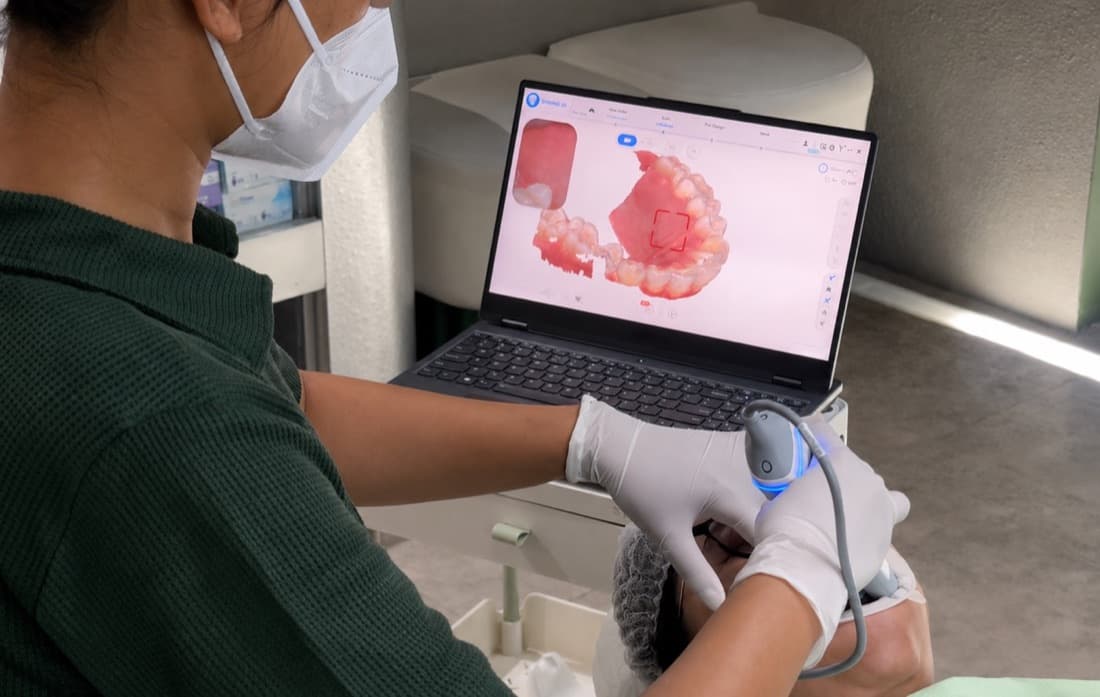
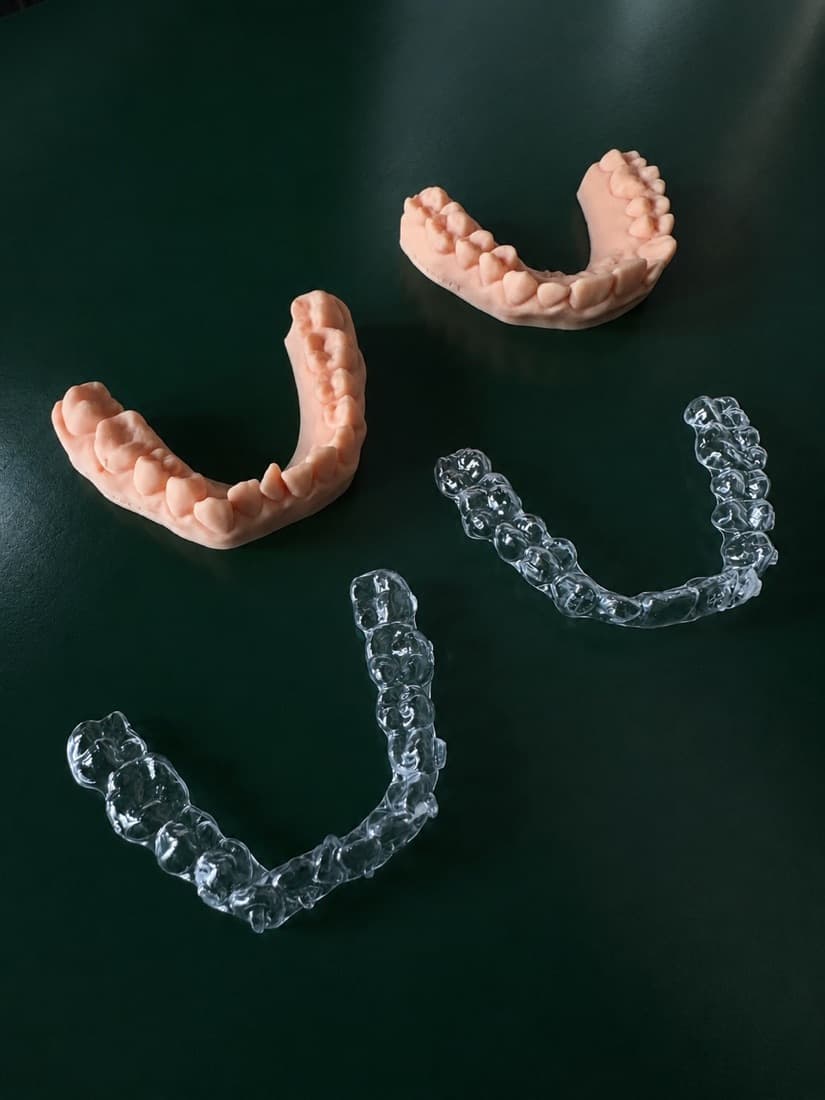
- Recording the shape. An impression or scan is used for fabrication. A temporary cover may be needed while you wait.
- Fitting and functional checks. The dentist assesses fit, neighbouring contacts and the bite before and after placing the restoration.
Many indirect restorations need more than one appointment, although the workflow varies with techniques and facilities. Discuss departure dates and review arrangements before treatment if you are travelling. A temporary restoration still requires protection until the final one is fitted.
Aftercare and reasons to return
Longevity depends on material, tooth condition, placement, oral hygiene and chewing forces. An inlay or onlay does not make the remaining tooth immune to decay. Daily care and appropriate check-ups remain essential.
- Brush twice daily with fluoride toothpaste and clean between teeth as advised.
- Reduce frequent exposure to sugary foods and drinks, including sipping sweet drinks throughout the day.
- Avoid chewing ice or opening packaging with teeth. Tell your dentist about grinding or clenching.
- Keep review appointments so the restoration margins, contacts and bite can be checked.
Contact the clinic if the restoration loosens, breaks or creates an uneven bite. Worsening pain, swelling or pain on biting needs assessment. Household glue should never be used to attach a loose restoration.
Choose the coverage your tooth needs
For help comparing an inlay, onlay or crown, discuss your dental care with Floss Dental in Kerobokan. Finding a dentist Bali visitors can consult before committing to treatment gives you an opportunity to understand the remaining tooth structure, available materials and appointment sequence.
FAQ About Dental Inlays and Onlays
What is the difference between an inlay and an onlay?
An inlay fits between the cusps within the chewing surface. An onlay also covers one or more cusps, protecting a larger area.
What is a dental overlay?
Overlay commonly describes a restoration covering all chewing-surface cusps. Terminology can vary; ask your dentist which surfaces the proposed restoration will cover.
How much does an onlay cost?
Fees depend on material, design and treatment needed beforehand. Ask for an itemised quote after assessment, including temporary restoration and follow-up arrangements.