Fissure Sealants in Canggu: Protecting Children’s Molars from Cavities
A fissure sealant is a thin coating placed in the grooves of a back tooth. It makes these hard-to-clean areas less likely to trap food and plaque. For families considering fissure sealants in Canggu, a dental examination identifies which molars could benefit and whether the surfaces are suitable for preventive treatment. Floss lists pit and […]
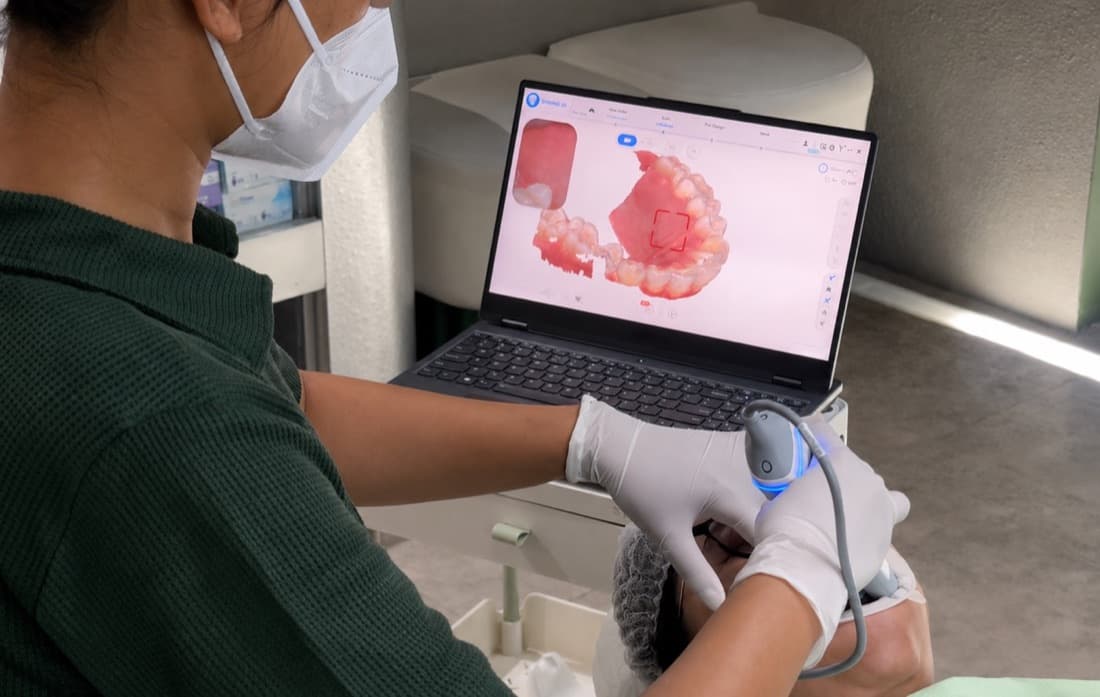
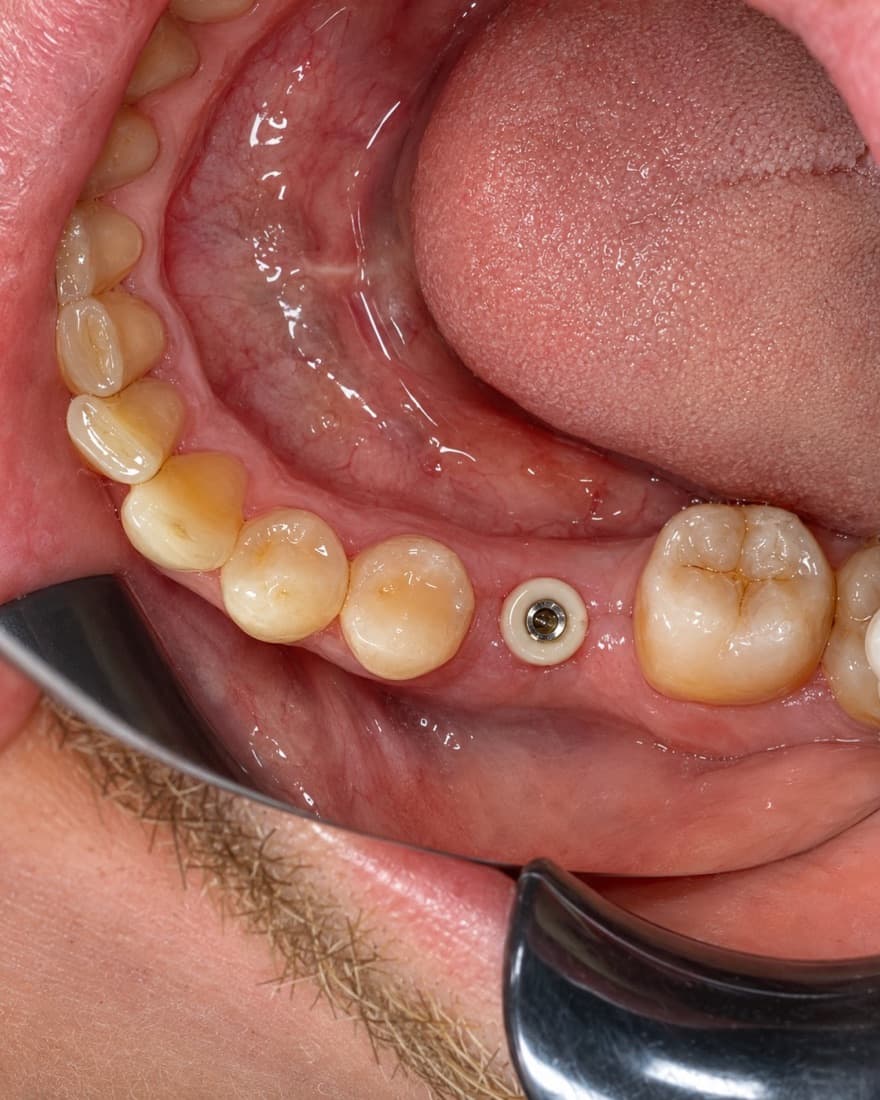
A fissure sealant is a thin coating placed in the grooves of a back tooth. It makes these hard-to-clean areas less likely to trap food and plaque. For families considering fissure sealants in Canggu, a dental examination identifies which molars could benefit and whether the surfaces are suitable for preventive treatment.
Floss lists pit and fissure sealant treatment at Rp300,000, with an estimated duration of 20–30 minutes. Confirm how many teeth the quote covers and the overall appointment time after assessment. Sealants provide additional protection alongside brushing and cleaning between teeth.
Why newly erupted molars deserve attention
The chewing surfaces of molars have narrow pits and grooves. Toothbrush bristles may not reach the deepest parts, allowing plaque and food to remain even when a child brushes regularly.
The first permanent molars usually erupt around age six, behind the baby teeth. They do not replace a baby tooth that falls out, so parents may mistake them for teeth that will be replaced later. These are adult teeth that need protection from the start. Second permanent molars often arrive around age twelve, although timing varies.
Which teeth can receive a sealant?
The dentist considers groove depth, oral hygiene, previous decay, and how far the molar has erupted. Sealants may be suitable for healthy chewing surfaces or selected early lesions that have not formed a cavity, with proper diagnosis and monitoring.
A dark groove is not necessarily a cavity, and a photograph cannot reliably establish the depth of decay. If a tooth already needs a restoration, simply covering the surface without assessment is inappropriate. The examination distinguishes staining, early enamel changes, and more advanced damage.
How sealants compare with fluoride and fillings
| Treatment | Purpose | Typical consideration |
|---|---|---|
| Fissure sealant | Protects chewing-surface grooves | At-risk grooves or selected early non-cavitated lesions |
| Fluoride | Helps enamel resist acid attacks | Prevention tailored to cavity risk |
| Filling | Repairs damaged tooth structure | When the examination shows restoration is needed |
Fluoride and sealants can be part of the same prevention plan. They serve different purposes, so there is no single option that suits every tooth. The decision depends on the location of risk and the condition of the surface.
What the appointment involves
- The dentist examines the molars and explains which surfaces would benefit.
- The tooth is cleaned and kept dry to help the material bond properly.
- The surface is prepared for the selected material, and sealant is placed into the grooves.
- The material is set according to its instructions. Coverage and the comfort of the bite are checked.
Applying a sealant to a healthy tooth usually does not involve drilling or a local anaesthetic injection. Your child still needs to keep their mouth open and follow instructions for a short period. Mention allergies, sensitivity to tastes, or difficulty staying still so the visit can be planned appropriately.
Keep protecting the rest of the tooth
- Help your child brush twice daily using fluoride toothpaste.
- Clean between teeth when they touch, with adult assistance appropriate to the child’s ability.
- Reduce frequent sugary snacks and drinks. A sealant does not cover every tooth surface.
- Have the coating checked during dental reviews. Worn or missing areas may need repair or reapplication.
Tell the dentist if the bite feels uneven after treatment. Do not attempt to scrape the material away at home. Persistent pain or a new cavity elsewhere also requires assessment, even when a molar has previously been sealed.
Plan protection as permanent molars arrive
Book an examination to check which molars have erupted and where prevention would help. Discuss dental care with a dentist Bali families can visit at Floss Dental, including sealants, fluoride, and a brushing routine suited to your child.
FAQ About Fissure Sealants
What is a fissure sealant used for?
It helps prevent decay in the pits and grooves of chewing surfaces, particularly on molars. Because protection is limited to those areas, brushing, interdental cleaning, and reducing frequent sugar exposure remain necessary.
How long do fissure sealants last?
They can last for several years, but there is no identical lifespan for every child. The dentist checks their condition at reviews and may repair or replace a coating if part has worn away.
Are fissure sealants painful?
Placement on a healthy tooth is generally painless because the treatment coats the surface. If decay or sensitivity is present, the dentist first assesses the cause and recommends appropriate care.